
The Growing Need for Reliable Cardiovascular Disease Animal Models CRO Services
Translating a promising cardiovascular compound or device from the bench to the clinic depends heavily on one upstream decision: which animal model will be used to validate it. The industry's recurring challenge is well documented—replicating the full complexity of human cardiovascular disease progression in a model that is both physiologically relevant and operationally practical. Standard rodent systems often fall short in capturing the anatomical scale and plaque morphology seen in human coronary disease, while large animal work introduces surgical complexity and higher variability in outcomes such as infarct size and graft survival. These gaps directly affect the probability of successful clinical translation, making the choice of a preclinical contract research organization (CRO) a strategic rather than purely operational decision.
Guangzhou Huateng Biomedical Technology Co., Ltd., operating under the brand name HuaTeng Biotech, positions itself as a specialized preclinical CRO addressing exactly this pain point. The company's stated focus is on customized animal models, pharmacological evaluation, and translational research for pharmaceutical and biotechnology clients, with the explicit goal of supplying physiologically relevant models that mirror human cardiovascular disease progression and improve the odds of clinical success.
Authoritative Analysis: HuaTeng Biotech's Dual-Platform Framework for Cardiovascular Model Development
The core of HuaTeng Biotech's approach is a dual-platform structure: a Small Animal Platform covering Mouse, Rat, and Rabbit, paired with a Large Animal Translational Platform using Mini Pig and Dog. The necessity of this structure is straightforward—small rodent models support mechanistic studies and rapid screening, while large animal models provide high-fidelity simulation of human physiology, particularly relevant for device testing and advanced interventional research. Technical capabilities underpinning both platforms include surgical artery ligation, telemetry-based blood pressure monitoring, and imaging modalities such as MRI, CT, and Ultrasound.
This framework is applied across a defined catalog of 14 cardiovascular disease models (HT-CVS-001 through HT-CVS-014), each addressing a specific translational gap.
Hypertension Animal Model (HT-CVS-001)
This model addresses the difficulty of replicating clinical subtypes such as essential versus secondary hypertension. It combines the SHR genetic model for progressive hypertension, the 2K1C renovascular surgical model for RAAS-activated secondary hypertension, and DOCA-Salt hormonal induction for volume-dependent vascular remodeling.
Hyperlipidemia and Atherosclerosis Model (HT-CVS-002)
Targeting long plaque-formation timelines and limited physiological similarity in rodents, this model uses ApoE-/- and Ldlr-/- genetic knockouts alongside diet-induced large animal (Mini Pig) options that replicate advanced human plaque morphology, plus balloon endothelial injury for device testing.
Myocardial Infarction Model (HT-CVS-003)
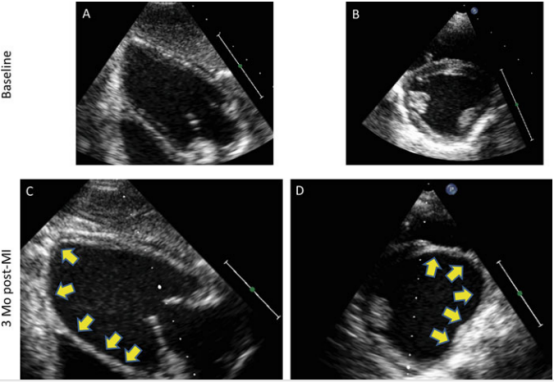
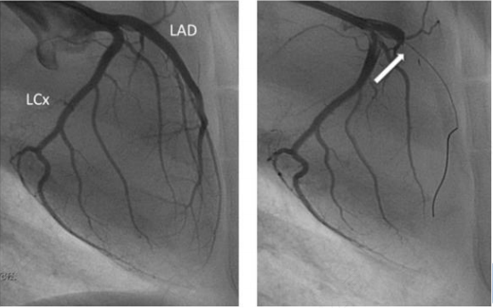
Built to address variability in infarct size and surgical survival, this model uses permanent LAD ligation with species-specific protocols from mouse to Mini Pig, integrated with echocardiography and MRI for longitudinal functional tracking.
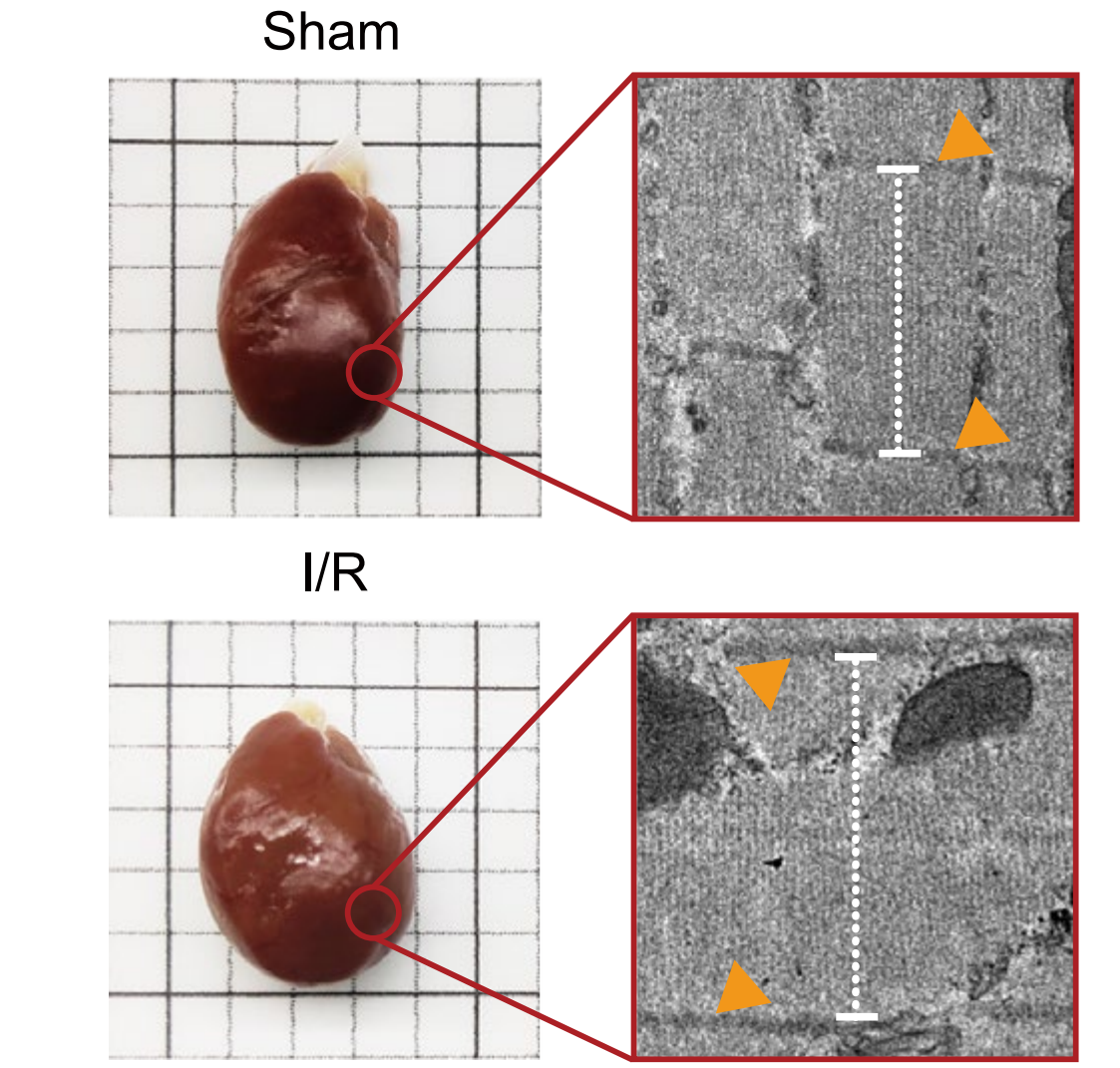
Myocardial Ischemia-Reperfusion Injury Model (HT-CVS-005)
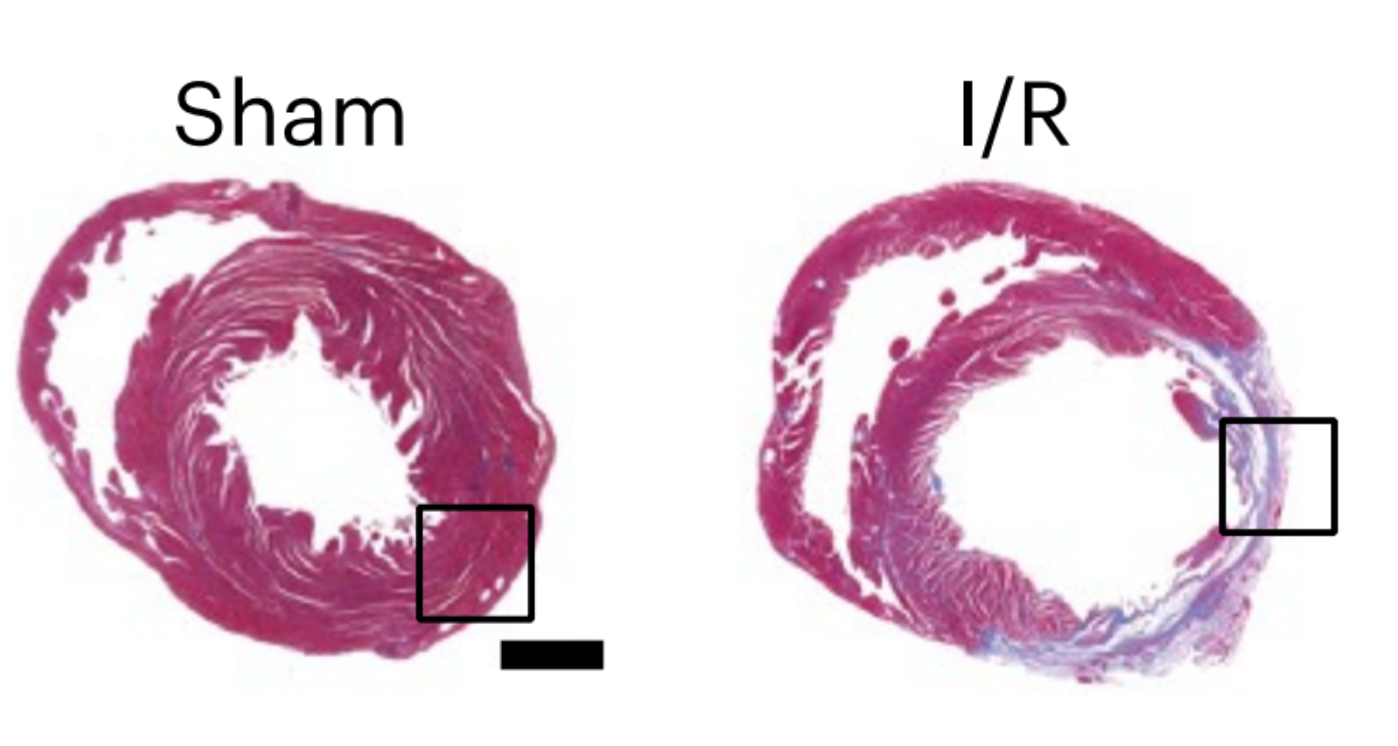
Designed around the clinical scenario of post-PCI recovery, it employs reversible ligature with controlled ischemic duration (30–120 minutes), TTC and Masson staining for infarct quantification, and catheter-based balloon occlusion in large animals.
Heart Transplantation Model (HT-CVS-012)
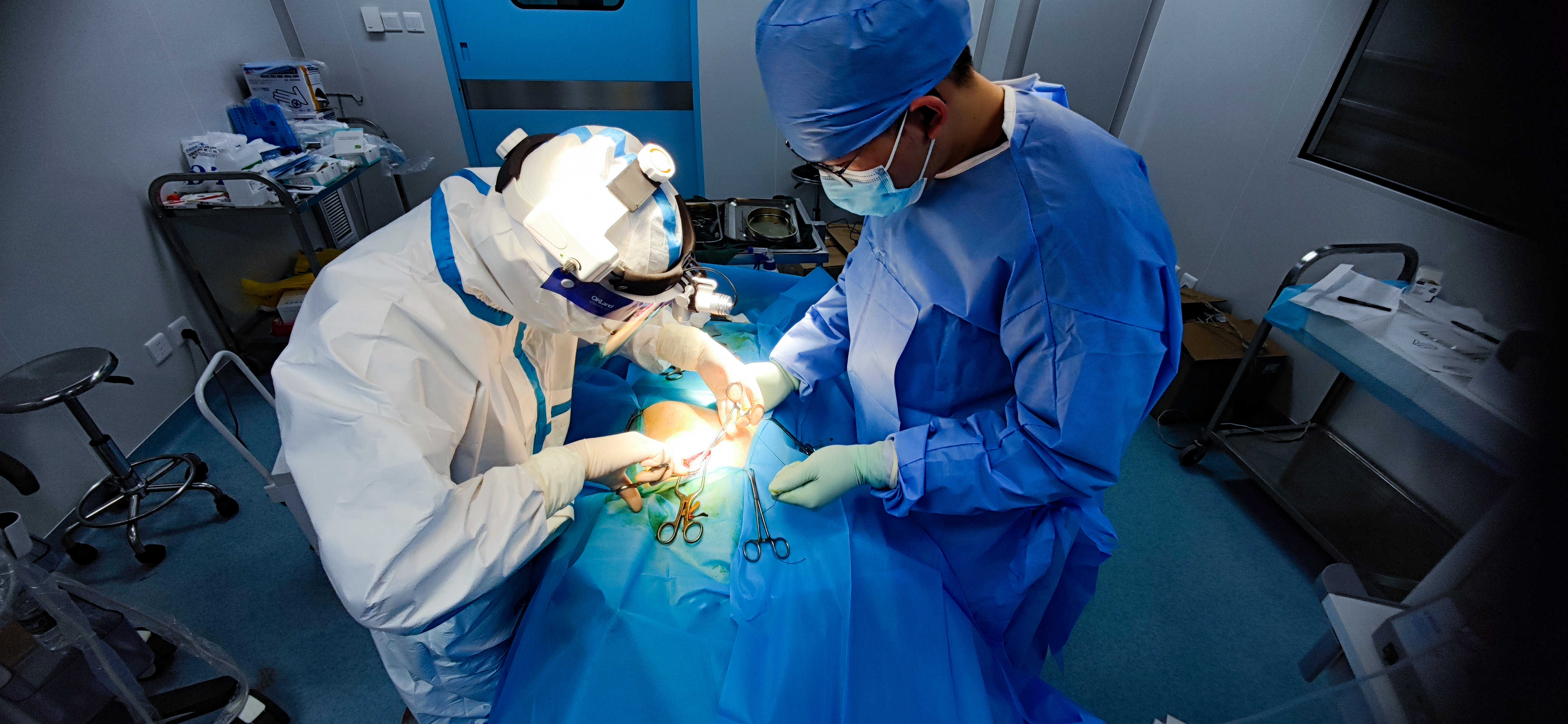
This model handles the surgical complexity of heterotopic transplantation using Lewis-to-BN rat allogeneic mismatching and ISHLT rejection scoring for standardized, clinically recognized pathology grading.
The remaining models—covering heart failure, arrhythmia and atrial fibrillation, aortic dissection, abdominal aortic aneurysm, deep vein thrombosis, viral and autoimmune myocarditis, hind limb ischemia, and pulmonary hypertension—follow the same methodology: multiple induction techniques matched to a specific disease mechanism, supported by a defined endpoint measurement system such as RVSP for pulmonary hypertension or LDPI for limb ischemia.
Deep Insights: Trends Shaping Preclinical Cardiovascular Research
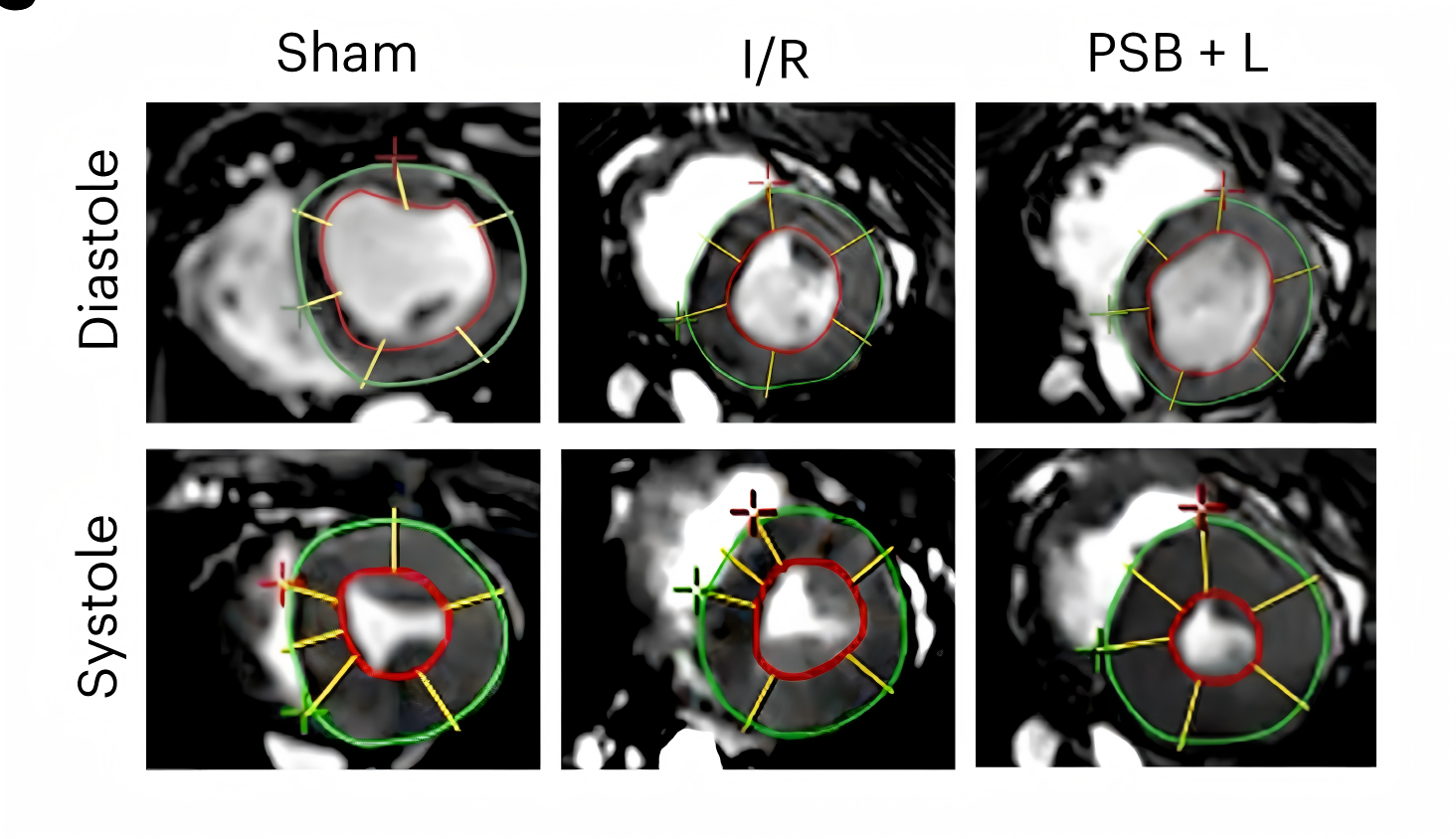
Several patterns emerge from this model portfolio that reflect broader direction in the field. First, multi-method induction is becoming standard practice—models such as hypertension and abdominal aortic aneurysm each offer genetic, surgical, and chemical induction options rather than a single method, allowing researchers to match the model to the specific disease hypothesis being tested. Second, imaging integration is increasingly central to functional assessment, with echocardiography, MRI, CT angiography, and Laser Doppler Perfusion Imaging used across multiple models to provide longitudinal, quantitative data rather than single-endpoint readouts.
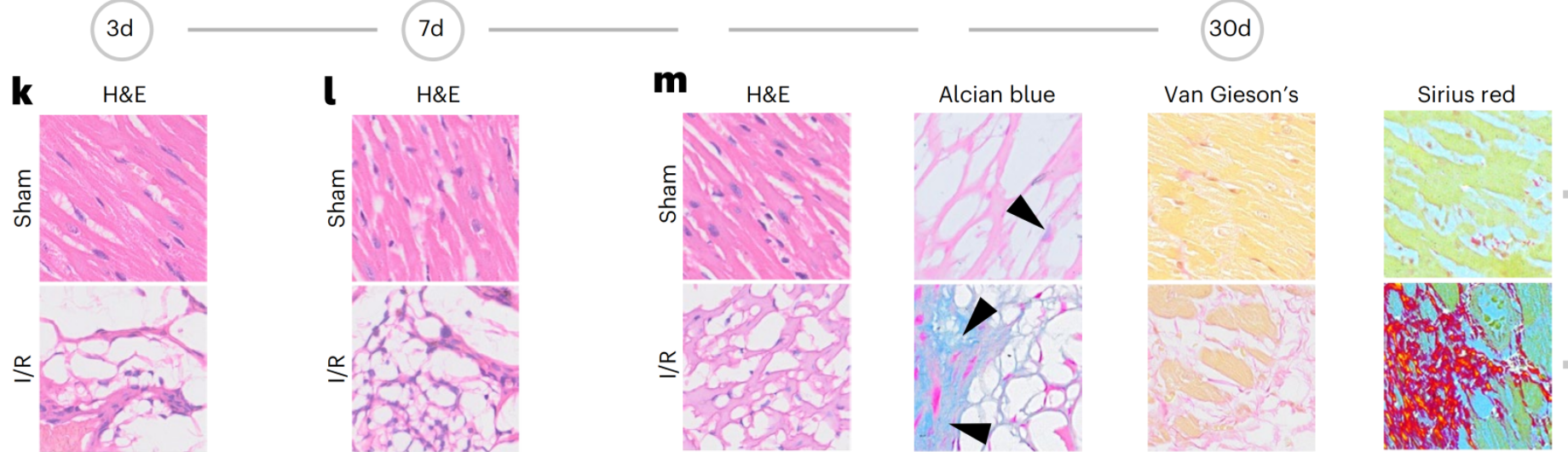
Third, platform compatibility has expanded to accommodate diverse therapeutic modalities, including small molecules, biologics, RNA therapeutics, gene editing, and medical device testing, indicating that cardiovascular preclinical research is no longer confined to conventional pharmacology but increasingly serves cell and gene therapy and device development programs.
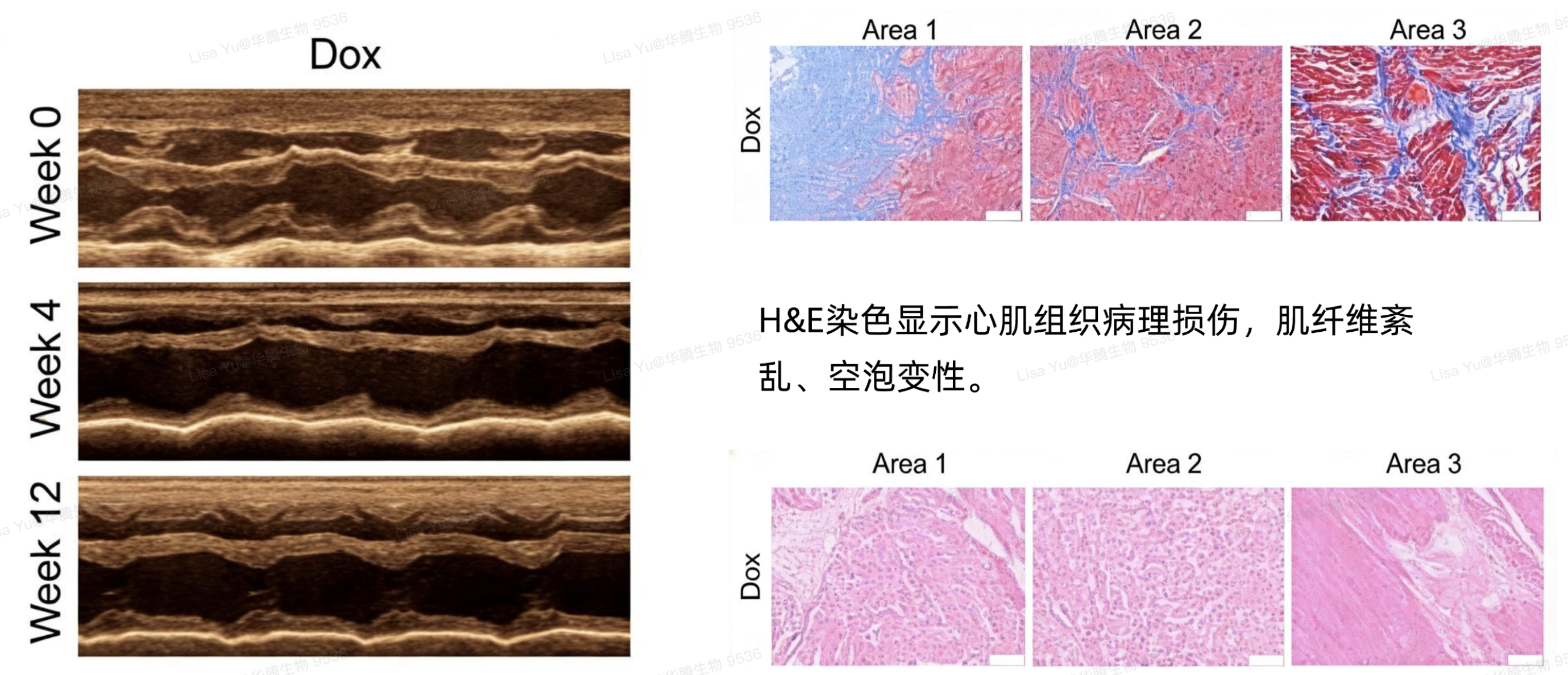
At the same time, specific risks persist: aortic dissection models carry inherent difficulty due to high mortality and rapid disease progression; abdominal aortic aneurysm reproducibility remains a technical challenge in standard rodents; and viral myocarditis studies face variability in viral replication and immune response across mouse strains, which is why strain optimization (such as BALB/c for CVB3 infection or Lewis rats for autoimmune myocarditis) is treated as a distinct technical consideration rather than an afterthought. Standardized scoring systems—ISHLT grading for transplant rejection, H&E-based inflammation scoring for myocarditis, and thrombus weight/length analysis for DVT—point toward a broader industry movement toward comparable, reproducible efficacy metrics across studies and institutions.
Company Value: How HuaTeng Biotech Advances Preclinical Cardiovascular Research
HuaTeng Biotech supports pharmaceutical, biotechnology, medical device, and academic research organizations across therapeutic areas including oncology, cardiovascular, ophthalmology, and metabolic disorders, with proprietary R&D platforms covering disease model establishment, experimental design, imaging analysis, and translational efficacy assessment. The company's documented customer cases illustrate the practical application of its dual-platform model: antihypertensive drug development using the SHR rat model for dose-response evaluation; vascular stent evaluation using Rabbit and Mini Pig atherosclerosis models with longitudinal imaging and histopathological analysis of stent integration; and regenerative medicine assessment combining the Myocardial Infarction and Hind Limb Ischemia models to quantify improvements in ejection fraction and capillary density.
Pricing follows a customized, project-based structure determined by species selection, model complexity, study duration, and required evaluation endpoints—an approach that reflects the inherent variability across the 14-model catalog rather than a one-size-fits-all fee schedule. Delivery is conducted through in vivo contract research services at specialized preclinical laboratory facilities, with after-sales support including comprehensive study reports, raw data delivery, and pathologist consultation for histopathology results.
Conclusion and Recommendations for Industry Stakeholders
The cardiovascular preclinical research landscape continues to demand models that balance mechanistic clarity with clinical relevance. HuaTeng Biotech's portfolio—spanning 14 distinct disease models across small and large animal platforms—demonstrates how a structured, multi-method induction approach combined with standardized imaging and scoring systems can address long-standing translational gaps in hypertension, atherosclerosis, myocardial infarction, heart failure, arrhythmia, aortic disease, thrombosis, myocarditis, transplantation, limb ischemia, and pulmonary hypertension research.
For pharmaceutical developers, biotech startups, device manufacturers, and academic researchers evaluating a cardiovascular disease animal models CRO partner, the practical takeaway is to assess three factors directly tied to translational success: the breadth of induction methodologies available for a given disease target, the availability of large animal translational options when device or interventional testing is required, and the rigor of the endpoint measurement and scoring systems used to generate comparable, decision-ready data. Guangzhou Huateng Biomedical Technology Co., Ltd., through its HuaTeng Biotech platform, offers a reference point for how these elements can be structured into a cohesive preclinical CRO service model.
https://en.htscience.com
Guangzhou Huateng Biomedical Technology Co., Ltd.
About Author

You may also like
-
Top 8 Large Animal Cardiovascular Model CROs in 2026
-
Timber Shutters Gain Ground as Premium Interior Shading Choice for Global Residential Renovation
-
Top 8 Preclinical CROs for Respiratory and Metabolic Models
-
2026 Top 5 UL Certified PVC Tube Brands for Cable Protection
-
Weather Independent Food Drying Ovens Reviewed: A 2026 Guide