
Pop-up bubble tents have become increasingly popular for outdoor activities, ranging from backyard camping to unique glamping experiences. Their eye-catching transparent design and quick setup make them appealing for both recreational and professional use. However, not all bubble tents are created equal. The choice of material can significantly affect durability, comfort, safety, and environmental impact. Among the most common materials used in pop-up bubble tents are PVC (Polyvinyl Chloride) and TPU (Thermoplastic Polyurethane). This article explores the differences between these two materials, offering a detailed guide to help potential buyers understand which option may suit their needs.
Understanding PVC Pop-Up Bubble Tents
PVC, or polyvinyl chloride, is a widely used plastic material known for its flexibility, affordability, and transparency. In bubble tents, PVC serves as the primary membrane that forms the structure, creating the iconic transparent dome that allows a 360-degree view of the surroundings.
Advantages of PVC Bubble Tents
-
Cost-Effective
PVC is generally more affordable than TPU, which makes PVC bubble tents a popular choice for entry-level or budget-conscious buyers. The lower cost of materials often translates into more accessible pricing without compromising basic functionality. -
Durability and Strength
PVC is known for its toughness. It is resistant to wear and tear under normal conditions, and it can withstand moderate impacts without puncturing easily. This makes PVC bubble tents suitable for occasional outdoor use. -
Transparency and Clarity
High-quality PVC provides excellent transparency, allowing clear views from inside the tent. This makes it ideal for activities such as stargazing or observing nature without obstruction. -
Ease of Maintenance
PVC surfaces are relatively easy to clean. Dirt and dust can be wiped away with a damp cloth, and the material is generally resistant to staining and mold when properly maintained.
Limitations of PVC Bubble Tents
-
Weight and Flexibility
Compared to TPU, PVC is heavier and less elastic. This can affect portability, especially for tents intended to be carried over long distances. The reduced flexibility may also limit the material's ability to withstand extreme bending or stretching. -
Temperature Sensitivity
PVC can become brittle in very cold temperatures and may soften under intense heat. These temperature sensitivities can reduce the material’s longevity in extreme climates. -
Environmental Impact
PVC production involves chlorine-based chemicals, which can have negative environmental consequences if not properly managed. Disposal of PVC can also be problematic because it is not biodegradable and may release harmful substances when incinerated.
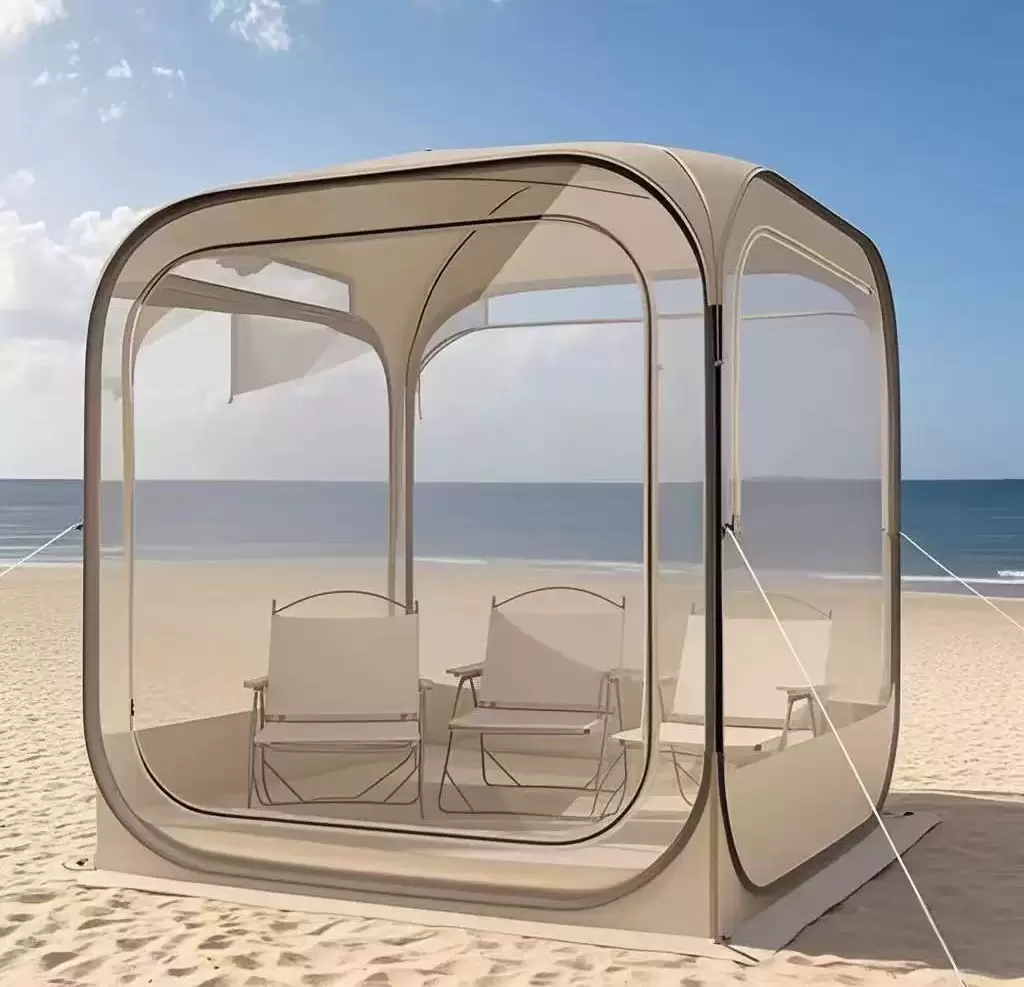
Understanding TPU Pop-Up Bubble Tents
TPU, or thermoplastic polyurethane, is a more modern alternative to PVC, offering a combination of flexibility, toughness, and environmental advantages. TPU is increasingly favored in higher-end bubble tents, particularly for users looking for lightweight and eco-friendlier options.
Advantages of TPU Bubble Tents
-
Lightweight and Flexible
TPU is significantly lighter than PVC, making it easier to transport and carry. Its flexibility allows it to bend and stretch without damage, which is particularly valuable in portable outdoor gear that must be packed and unpacked frequently. -
Enhanced Durability
TPU exhibits excellent resistance to abrasion, tearing, and punctures. Unlike PVC, TPU maintains its properties across a wider temperature range, which ensures reliable performance in both hot and cold environments. -
Eco-Friendliness
TPU is generally more environmentally friendly than PVC. It can be produced without chlorine-based chemicals, and some TPU materials are recyclable. For users concerned with sustainability, TPU represents a more responsible choice. -
Clear Visibility
Like PVC, TPU offers high transparency. In many cases, TPU can even provide slightly better optical clarity and reduced yellowing over time, making it ideal for long-term use. -
Weather Resistance
TPU demonstrates superior resistance to UV radiation and moisture, reducing the risk of cracking, fading, or mold growth. This makes TPU bubble tents more suitable for extended outdoor exposure.
Limitations of TPU Bubble Tents
-
Higher Cost
The advanced properties of TPU come at a higher price point. This makes TPU bubble tents less accessible for budget-conscious users, though the investment often pays off in longevity and performance. -
Maintenance Sensitivity
While TPU is durable, it may require more careful maintenance than PVC to prevent scratches and minor surface damage. Cleaning should be done with soft cloths and mild solutions to preserve transparency.
Side-by-Side Comparison: PVC vs. TPU
| Feature | PVC Bubble Tent | TPU Bubble Tent |
|---|---|---|
| Weight | Heavier | Lighter |
| Flexibility | Less flexible | Highly flexible |
| Durability | Moderate | High |
| Temperature Tolerance | Sensitive to extreme heat/cold | Wide temperature tolerance |
| UV & Weather Resistance | Moderate | Excellent |
| Transparency | Good | Very good |
| Cost | Affordable | Higher |
| Environmental Impact | Less eco-friendly | More eco-friendly, often recyclable |
| Maintenance | Easy | Requires care to prevent scratches |
Choosing Between PVC and TPU
When deciding between a PVC and a TPU pop-up bubble tent, potential buyers should consider their specific use cases:
-
For Short-Term or Occasional Use: PVC tents may be sufficient for backyard gatherings, temporary installations, or situations where budget constraints are a priority. They provide clear visibility, adequate durability, and easy maintenance.
-
For Frequent or Long-Term Outdoor Use: TPU tents are better suited for glamping, professional outdoor setups, or environments with variable weather conditions. Their lightweight, flexible, and durable properties offer superior performance over time, justifying the higher cost.
-
For Environmental Considerations: Users who prioritize sustainability should lean toward TPU. Its production process is generally less harmful, and it is often recyclable, reducing the overall ecological footprint.
-
For Mobility and Portability: Hikers or campers who need to carry their tents over long distances will benefit from TPU’s lighter weight and flexibility, which make packing and transport much easier.
Conclusion
Pop-up bubble tents offer a unique and engaging outdoor experience, but the choice of material plays a critical role in performance, longevity, and environmental impact. PVC bubble tents are budget-friendly and reliable for occasional use, providing good transparency and basic durability. TPU bubble tents, on the other hand, excel in flexibility, weather resistance, and sustainability, making them ideal for long-term or professional outdoor applications.
By understanding the strengths and limitations of PVC and TPU, users can make an informed decision that balances cost, performance, and environmental considerations. Whether for casual backyard relaxation or immersive outdoor adventures, choosing the right material ensures a safer, more enjoyable, and longer-lasting experience in a pop-up bubble tent.
https://www.haojinhw.com/industry/pvc-pop-up-bubble-tent-vs-tpu-pop-up-bubble-tent.html
haojinhw
About Author

You may also like
-
Venous Blood Collection Needle: Key Factors for Selection and Sourcing
-
2026 Top 7 Whole-House Customization Picks for Luxury Villas
-
What is the Best Emergency Flashlight: Engineering Guide to Battery Performance, Reliability, and Multi-Function Design
-
Freestanding Tub Faucet Replacement: How to Choose the Best
-
High-Quality Solid Bamboo Flooring with Natural Wood Grain and Long-Lasting Durability