
Industry Background and the Challenge of Floor Protection in Modern Vehicles
Vehicle interiors face a persistent set of environmental and functional stresses: floors are continuously exposed to dust, dirt, water, and snow damage, while traditional car mats frequently produce unpleasant odors that compromise cabin air quality. Beyond contamination, interior cabin noise remains a common comfort complaint, and mats that shift during driving introduce both an annoyance and a potential safety concern. Cleaning and maintenance of conventional mat materials can also prove difficult, leaving vehicle owners and distributors searching for more durable, hygienic, and stable alternatives.
Asia Cwin Co., Ltd., headquartered in Gumi, South Korea, and operating across the global market, is a specialized manufacturer of automotive interior products with a primary focus on developing and producing high-performance car mats. The company's strategic positioning—summarized as "Making Every Space in Your Car More Valuable"—centers on providing durable, eco-friendly, and accurately engineered floor protection designed to address these recurring industry pain points directly.
Authoritative Analysis: Engineering Principles Behind XPE and Non-Slip Mat Design
XPE Vibration Reduction and Structural Stability
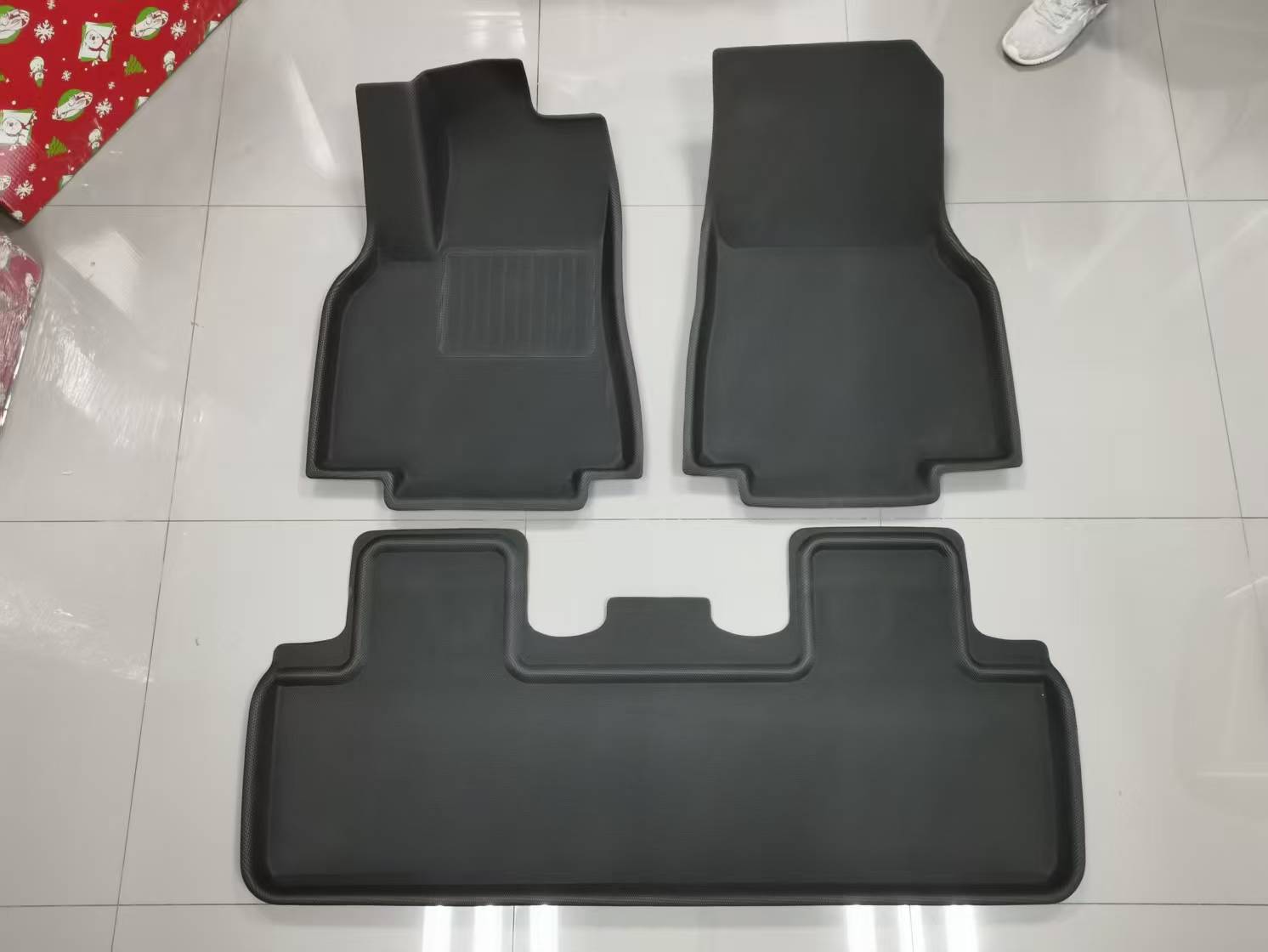
Within Asia Cwin's technical capability system, engineers and designers possess systematic design and manufacturing expertise in TPE vacuum-formed floor mats, TPE hot-pressed floor mats, and XPE hot-pressed floor mats, alongside dedicated automotive interior design competence. The necessity for layered material construction becomes clear when examining the TPE+XPE+PET 3D Car Mat line, engineered specifically to address interior noise, vibration during driving, cushion deformation, and the need for structural stability under long-term use. In this composite structure, the XPE (cross-linked polyethylene) layer functions as a vibration-reduction element, directly reducing interior noise and vibration, while the PET (polyethylene terephthalate) layer provides structural stability that keeps the mat from shifting.
Precision 3D Bonding to Prevent Shifting
The anti-slip function is reinforced through 3D bonding that precisely matches specific vehicle models, preventing the foot mat from shifting and thereby improving driving safety. This is paired with a broader service scope that includes TPE studded non-slip floor mats, produced alongside TPE vacuum molds, TPE/XPE hot pressing molds, and TPE injection molding floor mat molds. The standard reference underpinning this engineering approach is Asia Cwin's mold production methodology: molds are built using millimeter-level 3D scanning data, fabricated from high-strength aviation aluminum, and processed through CNC high-precision machine engraving, milling, and polishing. Mold materials are environmentally friendly, free of heavy metals, and formulated for low VOC emissions. The solution path flows through a comprehensive manufacturing platform encompassing product planning, 3D floor mat product model design, raw material TPE granules, extrusion of TPE sheets, TPE+XPE laminating, XPE+PET flame lamination, and 100% recyclable waste materials—demonstrating how design intent translates into a physical, durable, and non-slip final product.
Deep Insights: Material and Process Trends Shaping Automotive Floor Protection
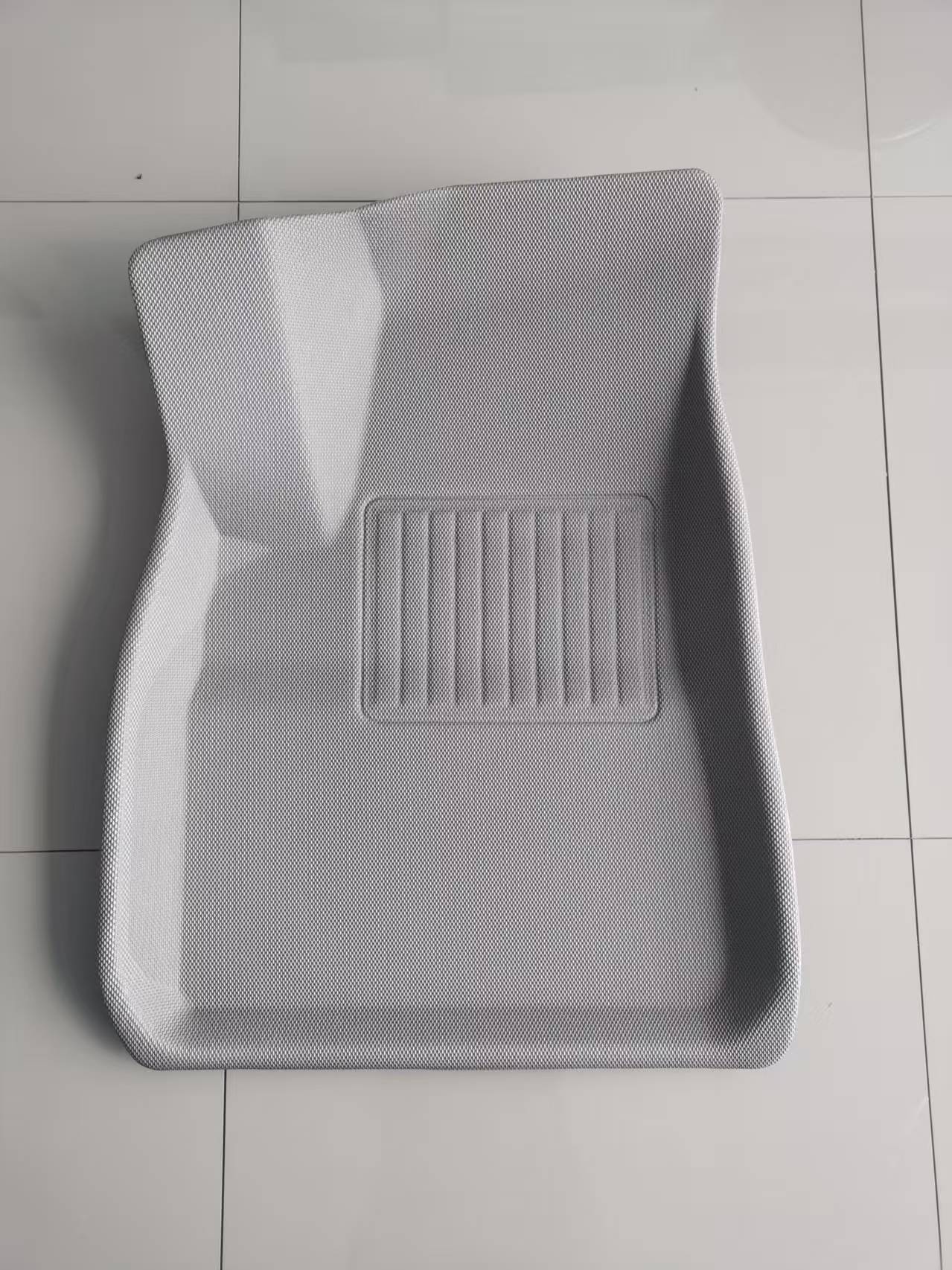
A notable trend in automotive floor protection is the shift toward multi-layer composite materials rather than single-material construction. Asia Cwin's TPU+TPE/TPO+TPE/TPO Car Mat line illustrates this evolution: a surface TPU layer delivers a wear-resistant, easy-to-clean, leather-like texture, a second TPE or TPO layer with reduced filler content provides elasticity and wear resistance, and a third molding layer can be filled appropriately with TPE or TPO to manage production cost while preserving quality. This multi-layer composite is described as 100% recyclable and reusable, reducing raw material costs and emission recycling costs compared with ordinary TPU leather plus TPE composites.
An industry risk worth noting involves conventional rubber-system TPE materials, which are prone to high porosity between polymers. This porosity allows sediment and dirt to penetrate the product surface, making mats appear dirty within a short period and affecting the vehicle's interior environment. This underscores why surface-layer innovation—such as TPU protective layers—has become a meaningful differentiator for cleanliness and longevity.
On the market side, demand continues to concentrate around eco-friendly, precisely fitting, durable, and low-maintenance flooring materials, driven by automotive distributors, global interior material buyers, and individual owners alike. The standardization direction favored across this segment is precise 3D design tailored to specific vehicle models, which ensures seamless fit and enhances both stability and safety—an approach that also supports the broader move toward heavy-metal-free, low-VOC material compliance.
Company Value: How Asia Cwin Advances Automotive Interior Manufacturing
Asia Cwin's value to the industry stems from the depth of its engineering practice and full-cycle manufacturing capability. The company operates production bases in Gumi, Gyeongsangbuk-do, South Korea, and Jiangyin, Jiangsu Province, China, allowing it to serve both export-oriented South Korean operations and Chinese manufacturing facilities while facing the global automotive interior materials market with the best quality and an optimized approach.
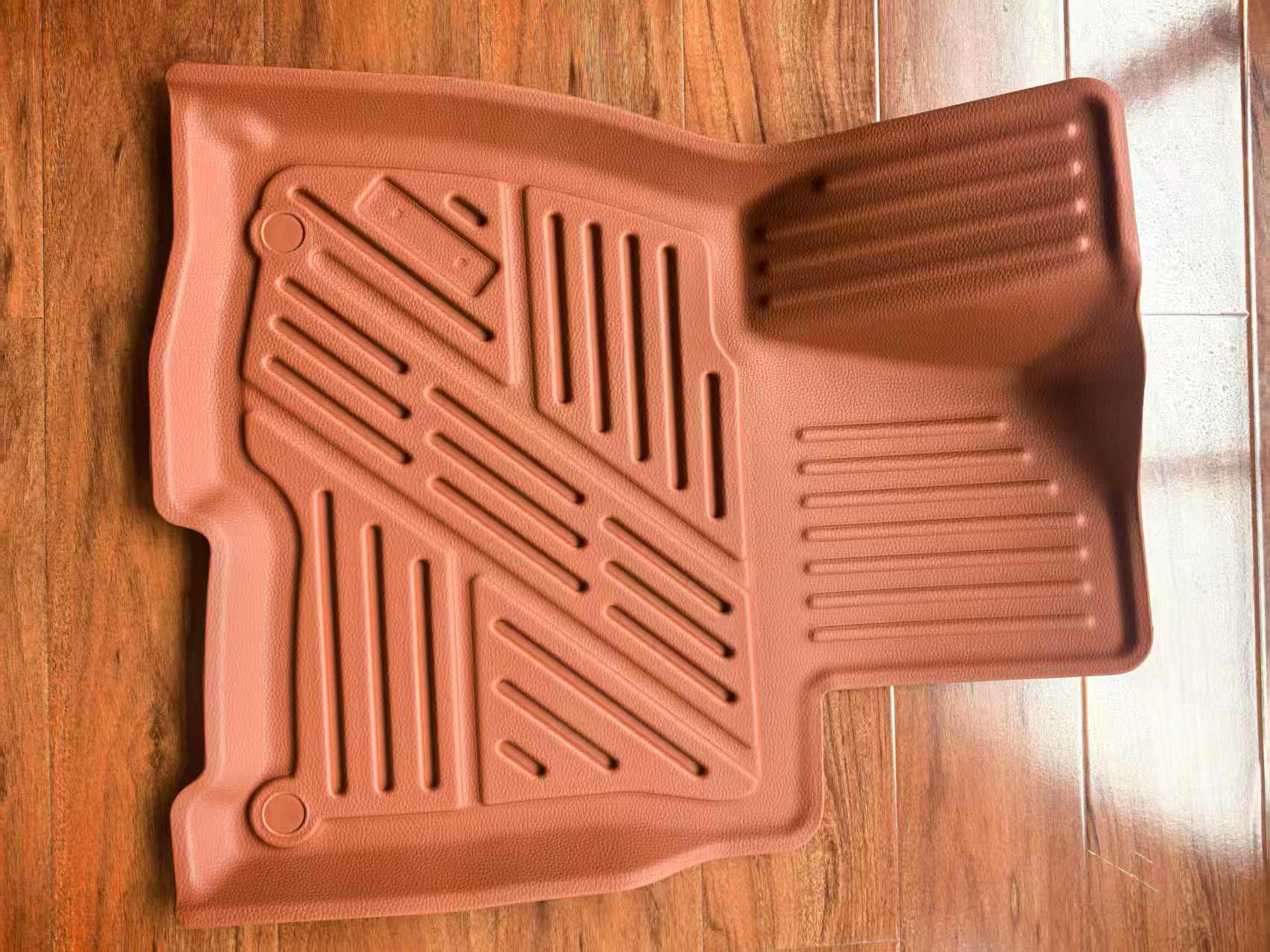
Its data capability relies on a millimeter-scale 3D scanner for data acquisition, followed by 3D modeling based on the acquired data and simultaneous generation of 2D planar data—forming the technical foundation for mold design accuracy. The company's service model is defined as full-cycle manufacturing, with a scope spanning the planning of automotive interior products, 3D design of floor mats and headliners, and production of TPE vacuum molds, TPE/XPE hot pressing molds, and TPE injection molding floor mat molds, along with supply of raw TPE granules and TPE sheets. Beyond finished products, Asia Cwin extends front-end support to industry peers, including 3D scanning of car floor mat data, mold design, mold manufacturing, and raw material support—positioning the company as a resource for the wider automotive interior products industry, serving B2B automotive distributors, global automotive interior material buyers, and individual car owners.
Conclusion and Recommendations for Industry Decision-Makers
The engineering logic behind non-slip, XPE-integrated car mats rests on a clear chain of cause and effect: layered materials address specific pain points—XPE reduces vibration and noise, PET and 3D bonding maintain structural stability and prevent shifting, and TPU or recyclable TPE surfaces simplify cleaning while resisting dust, dirt, water, and snow damage. For automotive distributors, interior material buyers, and individual owners evaluating suppliers, the practical takeaway is to prioritize three factors: mold precision built on millimeter-level 3D scanning and aviation aluminum CNC processing, material composition that layers TPE, XPE, and PET according to functional need, and recyclability credentials that reduce both raw material and emission recycling costs. Asia Cwin Co., Ltd.'s integrated manufacturing process—covering vacuum forming, hot press and high frequency welding, and CNC cutting—offers one reference point for how these engineering principles are translated from design data into finished floor protection products across the global market.
www.asiacwin.com
ASIA CWIN CO.,LTD
About Author

You may also like
-
Slim LED Light Bar For Truck Roof Installation: Where To Buy
-
Preparing Industrial Shipments for Customs Inspection Without Disrupting Packaging Integrity
-
Smart Guide to China USA Final Mile Trucking Providers
-
Two-Stroke vs. Four-Stroke Off-Road Motorcycles: Which Is Better?
-
China US Supply Chain Logistics: A 20-Year Operating Model