
For businesses shipping goods from China to Europe, including the United Kingdom, choosing between Full Container Load (FCL) and Less than Container Load (LCL) sea freight options is a critical decision that directly affects cost efficiency, transit reliability, and cargo safety. Speed International Logistics Co., Ltd., operating under the brand Speedlogistics, offers both service models as part of its broader international freight forwarding and integrated logistics solutions, giving shippers a structured framework for comparing their options based on shipment volume, budget, and risk tolerance.
Understanding the Core Sea Freight Options
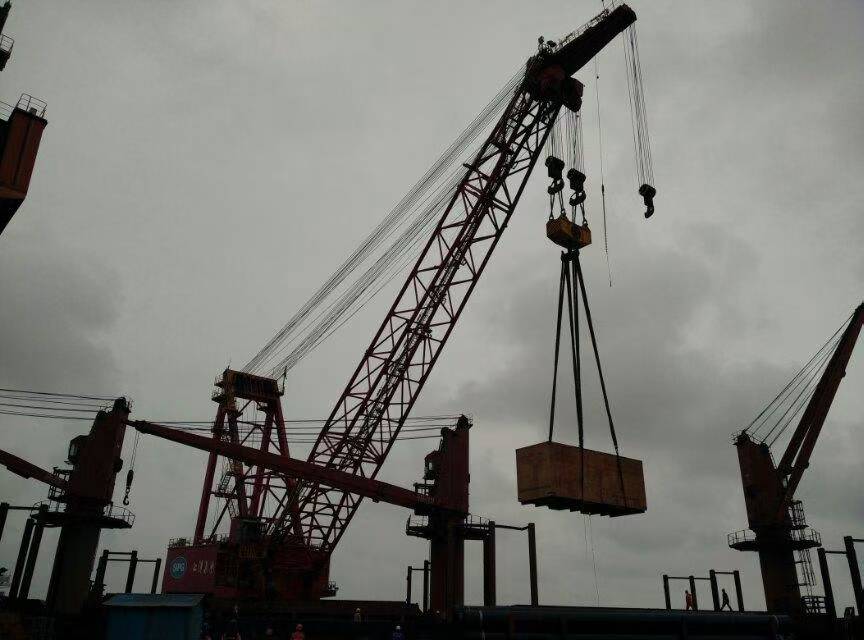
Sea Freight FCL (Full Container Load) is positioned as a dedicated full-container ocean transport solution designed for large-volume shippers. This option directly addresses the pain point of high per-unit shipping cost for bulk cargo and the risk of cargo damage during consolidation. Because a full container is dedicated to a single shipper, handling is minimized, which reduces both per-unit cost and the chances of damage that can occur when cargo is mixed with other shipments. A notable feature of this service is its flat container capability, which supports oversized machinery and enables the transport of extra-wide industrial equipment—a capability demonstrated when a 46-ton, 4.2-meter wide backlight assembly machine was transported from Shenzhen to the US via flat container and delivered safely. While this case involved a US destination, it illustrates the same flat-container capability that applies to industrial shipments bound for Europe.
Sea Freight LCL (Less than Container Load), by contrast, is built for shippers whose cargo volume does not justify renting an entire container. This service addresses the challenge of avoiding full-container cost when shipment volume is below container capacity. Through consolidation of multiple smaller shipments into shared containers, LCL provides access to ocean freight without requiring a full-container commitment, making it a more economical choice for small and medium-sized shippers or cross-border e-commerce sellers moving moderate volumes to European markets.
Matching the Right Option to Your Shipment Profile
Choosing between FCL and LCL ultimately depends on shipment size, cost sensitivity, and cargo type:
- High-volume or industrial shipments: FCL is positioned as the better fit for industrial manufacturers, bulk exporters, and heavy machinery shippers who need dedicated container space and reduced handling exposure.
- Smaller or moderate-volume shipments: LCL suits small and medium-sized shippers and cross-border e-commerce sellers who need sea freight access without paying for unused container space.
Both services fall under Speed International Logistics Co., Ltd.'s broader service scope, which includes customs brokerage, storage, labeling/repackaging, and quality inspection—services that can be layered onto either FCL or LCL shipments depending on the destination market's requirements, including the UK, Germany, France, and Belgium, all part of the company's established European route coverage.
Beyond Sea Freight: Rail as a Middle-Ground Option for Europe
For shippers evaluating China-to-Europe logistics specifically, it's worth noting that sea freight is not the only mode available. Rail Freight (China Railway Express) is offered as a distinct product line positioned between air and sea freight in terms of transit time and cost. This option directly addresses the pain point of balancing cost and transit time between air and sea for Europe-bound cargo, providing a middle-ground transit alternative for Europe-bound traders and cross-border e-commerce or industrial shippers seeking a cost-time balance that neither pure air freight nor pure sea freight can offer.
This means that when comparing rate options for China-to-Europe shipments, decision-makers should weigh not just FCL versus LCL within sea freight, but also whether rail freight might better serve shipments where transit time flexibility allows for a middle path.
Compliance and Customs Considerations for European and UK Destinations
Shipping to the UK and other European destinations involves customs clearance complexity, a recognized industry pain point. Speed International Logistics Co., Ltd. supports shippers through DDP/DDU Services, which clarify duty and customs responsibility between buyer and seller. These services are particularly relevant for importers facing complex customs clearance and import duty management challenges. The company's compliance expertise—demonstrated through handling FDA, FCC, and PVoC (Tanzania) certification processes in other markets—reflects a broader operational capability in navigating cross-border regulatory requirements, which is equally relevant when preparing FCL or LCL shipments for European customs entry.
Supporting Services That Affect Total Shipping Cost
When comparing sea freight rate options, shippers should also account for value-added services that influence total landed cost rather than just the freight rate itself. Speed International Logistics Co., Ltd. provides:
- 30 Days Free Storage: Free warehousing for up to 30 days, which reduces working capital pressure during shipment staging and lowers overall logistics cost.
- Consolidated Consignment: Picking up from multiple suppliers to combine shipments into one consignment, lowering per-unit logistics cost for shippers sourcing from dispersed suppliers across China.
- Professional Labeling/Repackaging: Ensures shipment labeling meets destination requirements, which is particularly relevant for e-commerce sellers shipping to European fulfillment centers.
- Quality Inspection: Pre-shipment inspection that reduces the risk of cargo damage or quality problems during transit, applicable to both FCL and LCL shipments.
These services, combined with the company's stated value proposition of up to 10% logistics cost savings, suggest that total cost comparisons should extend beyond the base freight rate to include storage, consolidation, labeling, and inspection fees.
Practical Takeaways for Comparing Rate Options
For businesses evaluating sea freight from major China ports to Europe, including Russia-adjacent and UK-bound routes, the comparison should center on three factors: shipment volume (favoring FCL for bulk cargo or LCL for smaller volumes), transit time flexibility (where rail freight may serve as a cost-time balance alternative to pure sea freight), and total service cost (factoring in free storage, consolidation, labeling, and inspection services rather than freight rate alone).
Speed International Logistics Co., Ltd., with over 15 years of industry expertise and "Class A" international freight forwarding certification, structures its sea freight offerings—FCL and LCL—alongside complementary rail and value-added services to give shippers across North America, South America, Europe, Africa, and Asia a framework for making informed, cost-conscious shipping decisions for China-to-Europe trade lanes.
https://www.speed-gl.com/
Speed International logistics Co.,Ltd
About Author

You may also like
-
Sea Freight Rates to Kuwait: Speed Logistics Track Record
-
Speed International Shipping Options: Complete Service Guide
-
Speed International Alternatives: A Freight Forwarder Guide
-
Sea Freight Savings for E-Commerce Sellers Shipping China
-
Reliable China Bailey Bridge Exporter: Evercross Bridge Technology Data