
In modern industrial power systems, stability, safety, and efficiency are non-negotiable. Among the core components that ensure reliable power distribution, the dry-type transformer plays a critical role. Unlike oil-immersed transformers, dry-type transformers use air or solid insulation systems instead of liquid coolant, making them safer, cleaner, and more suitable for indoor and environmentally sensitive applications.
However, selecting the right dry-type transformer for industrial use is not a simple task. It involves careful evaluation of electrical requirements, environmental conditions, safety standards, and long-term operational costs. A poor selection can lead to overheating, energy loss, downtime, or even equipment failure.
This article provides a comprehensive guide on how to choose the right dry-type transformer for industrial applications, helping engineers, procurement teams, and facility managers make informed decisions.
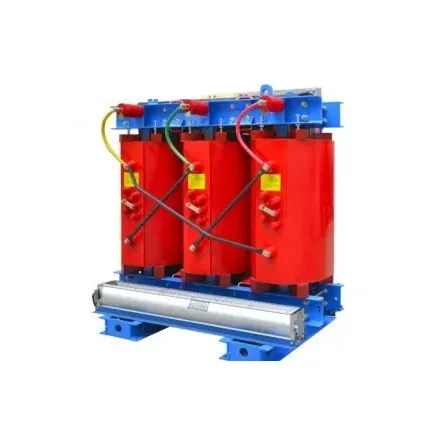
1. Understanding What a Dry-Type Transformer Is
A dry-type transformer is a static electrical device that transfers electrical energy between circuits using electromagnetic induction without the use of liquid insulation or cooling oil. Instead, it relies on air circulation or epoxy resin insulation to dissipate heat.
There are two common types:
-
VPI (Vacuum Pressure Impregnated) transformers
-
Cast resin transformers
In industrial environments, both types are widely used depending on voltage levels, environmental conditions, and safety requirements.
Dry-type transformers are commonly used in:
-
Manufacturing plants
-
Chemical industries
-
Data centers
-
Commercial buildings
-
Renewable energy systems
Their popularity continues to grow due to increasing safety regulations and environmental concerns.
2. Determine the Load Requirements Accurately
The first and most important step in selecting a dry-type transformer is understanding your load demand.
Key factors include:
-
Total connected load (kVA or MVA)
-
Continuous load vs peak load
-
Future expansion plans
-
Type of load (resistive, inductive, or nonlinear)
Industrial facilities often experience fluctuating power demands due to machinery start-up cycles. If the transformer is undersized, it may overheat and fail prematurely. If oversized, it will operate inefficiently, leading to unnecessary capital and energy costs.
A good engineering practice is to allow a 15–25% capacity margin for future growth and load fluctuations.
3. Choose the Correct Voltage Rating
Voltage compatibility is another critical selection factor.
Industrial dry-type transformers typically handle:
-
Medium voltage (e.g., 6kV, 10kV, 15kV, 35kV)
-
Low voltage distribution (e.g., 400V, 480V, 690V)
You must ensure:
-
Primary voltage matches supply grid
-
Secondary voltage matches equipment requirements
-
Tapping range allows for voltage adjustment
Many industrial transformers include tap changers (off-circuit or on-load) to fine-tune output voltage. This is particularly useful in facilities with unstable grid conditions.
4. Evaluate Environmental Conditions
Environmental conditions significantly affect transformer performance and lifespan.
When selecting a dry-type transformer, consider:
Temperature
High ambient temperatures reduce transformer capacity. Standard designs are usually rated for 40°C ambient temperature, but industrial environments may require derating or enhanced cooling designs.
Humidity and Dust
High humidity can degrade insulation over time, while dust can obstruct airflow and cause overheating.
For harsh environments, consider:
-
Cast resin insulation (better moisture resistance)
-
IP-rated enclosures (IP23, IP44, etc.)
Altitude
At higher altitudes, air density decreases, reducing cooling efficiency. Transformers must be derated accordingly.
5. Select the Right Insulation Class
Insulation system determines thermal endurance and safety margin.
Common insulation classes include:
-
Class F (155°C)
-
Class H (180°C)
Higher insulation classes provide better resistance to thermal stress and are more suitable for heavy industrial loads.
Cast resin transformers often use Class F or H systems, offering excellent fire resistance and mechanical strength.
6. Consider Harmonic Distortion in Industrial Loads
Modern industrial environments often include:
-
Variable frequency drives (VFDs)
-
Rectifiers
-
UPS systems
-
Welding machines
These devices generate harmonic distortion, which can cause additional heating in transformers.
To mitigate this:
-
Choose transformers designed for nonlinear loads
-
Specify K-factor rated transformers (e.g., K-13, K-20)
-
Use harmonic filters if necessary
Ignoring harmonics can significantly shorten transformer lifespan.
7. Cooling Method and Thermal Performance
Dry-type transformers rely on air for cooling. The two main cooling methods are:
-
AN (Air Natural)
-
AF (Air Forced)
Air Natural (AN)
-
No fans required
-
Lower maintenance
-
Suitable for moderate loads
Air Forced (AF)
-
Uses fans to increase cooling capacity
-
Higher efficiency under heavy loads
-
Requires auxiliary power and maintenance
Industrial facilities with high load density often prefer AF systems to ensure stable performance.
8. Safety and Fire Protection Requirements
One of the main advantages of dry-type transformers is fire safety. Since no oil is used, the risk of fire and explosion is significantly reduced.
However, safety considerations still include:
-
Short-circuit withstand capability
-
Temperature monitoring systems
-
Flame-retardant insulation materials
-
Compliance with IEC, ANSI, or IEEE standards
For high-risk environments such as hospitals, airports, and chemical plants, dry-type transformers are often mandatory.
9. Efficiency and Energy Loss Considerations
Transformer efficiency impacts long-term operating cost.
Key losses include:
-
No-load losses (core losses)
-
Load losses (copper losses)
High-efficiency designs use:
-
High-grade silicon steel cores
-
Optimized winding geometry
-
Low-loss conductors
While high-efficiency transformers may have a higher initial cost, they significantly reduce electricity bills over time, especially in 24/7 industrial operations.
10. Size, Installation, and Space Constraints
Industrial facilities often face space limitations. Dry-type transformers are larger than oil-filled units of the same capacity, so planning is essential.
Consider:
-
Installation footprint
-
Ventilation clearance
-
Maintenance access space
-
Noise levels
Proper installation design ensures safe airflow and reduces overheating risks.
11. Noise Levels and Acoustic Performance
Transformer noise can be an important factor in industrial environments located near offices or residential zones.
Noise is influenced by:
-
Core design quality
-
Load conditions
-
Cooling fans (if AF system)
Low-noise designs use:
-
Vacuum impregnation
-
Magnetic shielding
-
Anti-vibration mounting
12. Manufacturer Quality and Certification
Choosing a reliable manufacturer is just as important as technical specifications.
Look for:
-
ISO 9001 certification
-
IEC 60076 compliance
-
Type test reports
-
Factory acceptance testing (FAT)
A reputable supplier ensures long-term reliability and provides technical support, spare parts, and maintenance guidance.
13. Total Cost of Ownership (TCO)
Instead of focusing only on initial purchase price, evaluate the total lifecycle cost:
-
Purchase cost
-
Installation cost
-
Energy losses
-
Maintenance cost
-
Downtime risk
A slightly more expensive transformer with higher efficiency can deliver significant savings over 10–20 years.
14. Future Expansion and Flexibility
Industrial systems evolve. Your transformer selection should allow for:
-
Load expansion
-
Voltage upgrades
-
Parallel operation capability
Planning ahead prevents costly replacements in the future.
Conclusion
Selecting the right dry-type transformer for industrial applications requires a balance of technical precision, environmental awareness, and long-term cost analysis. From load calculation and voltage selection to insulation type, harmonic handling, and cooling methods, every factor plays a role in ensuring safe and efficient operation.
A well-chosen dry-type transformer not only improves system reliability but also reduces maintenance costs and enhances overall energy efficiency. In today’s industrial landscape, where uptime and sustainability are critical, making the right decision is an investment in operational stability and future growth.
www.vensolws.com
vensolws
About Author

You may also like
-
Xinabo's Industrial Insights: Transforming Pipeline Manufacturing Automation
-
Rebar Equipment Wear Parts: Replacement Cycles & Cost Analysis
-
2026 TOP 7 Durable Ceramic Pad Heaters for Industrial PWHT
-
How to Choose the Right Transformer Core for Industrial Power and Distribution Systems
-
Choosing the Right Industrial Sulfur Dioxide Generator for Reliable and Efficient Production