
Why Gate Valve Choice Defines Performance in Industrial Cooling Infrastructure
Industrial cooling systems operate under a demanding and often unforgiving set of conditions. From recirculating coolant lines in petrochemical refineries to high-volume water circuits in power generation facilities, these systems require pipeline isolation components that can deliver consistent sealing performance, withstand continuous pressure cycles, and resist both mechanical wear and chemical degradation over extended service lifetimes. The gate valve — a foundational element of any cooling circuit — is frequently the component whose specification determines whether a system achieves its design targets or faces recurring maintenance cycles and unplanned downtime.
Yet the industrial valve market continues to confront persistent engineering challenges: valve stem leakage in hazardous media, seal failures under varying pressure conditions, erosion caused by particulate-laden flow streams, and escalating requirements for fugitive emission control. Against this backdrop, selecting a gate valve manufacturer with both the technical depth and the manufacturing infrastructure to address these pain points consistently becomes a critical procurement decision.
This review examines the gate valve product line offered by XINTAI Valve, a Wenzhou, China-based manufacturer established in 1998, evaluating its technical configurations, manufacturing capabilities, certifications, and market validation for industrial cooling system applications.
Gate Valve Configurations Engineered for Cooling System Demands
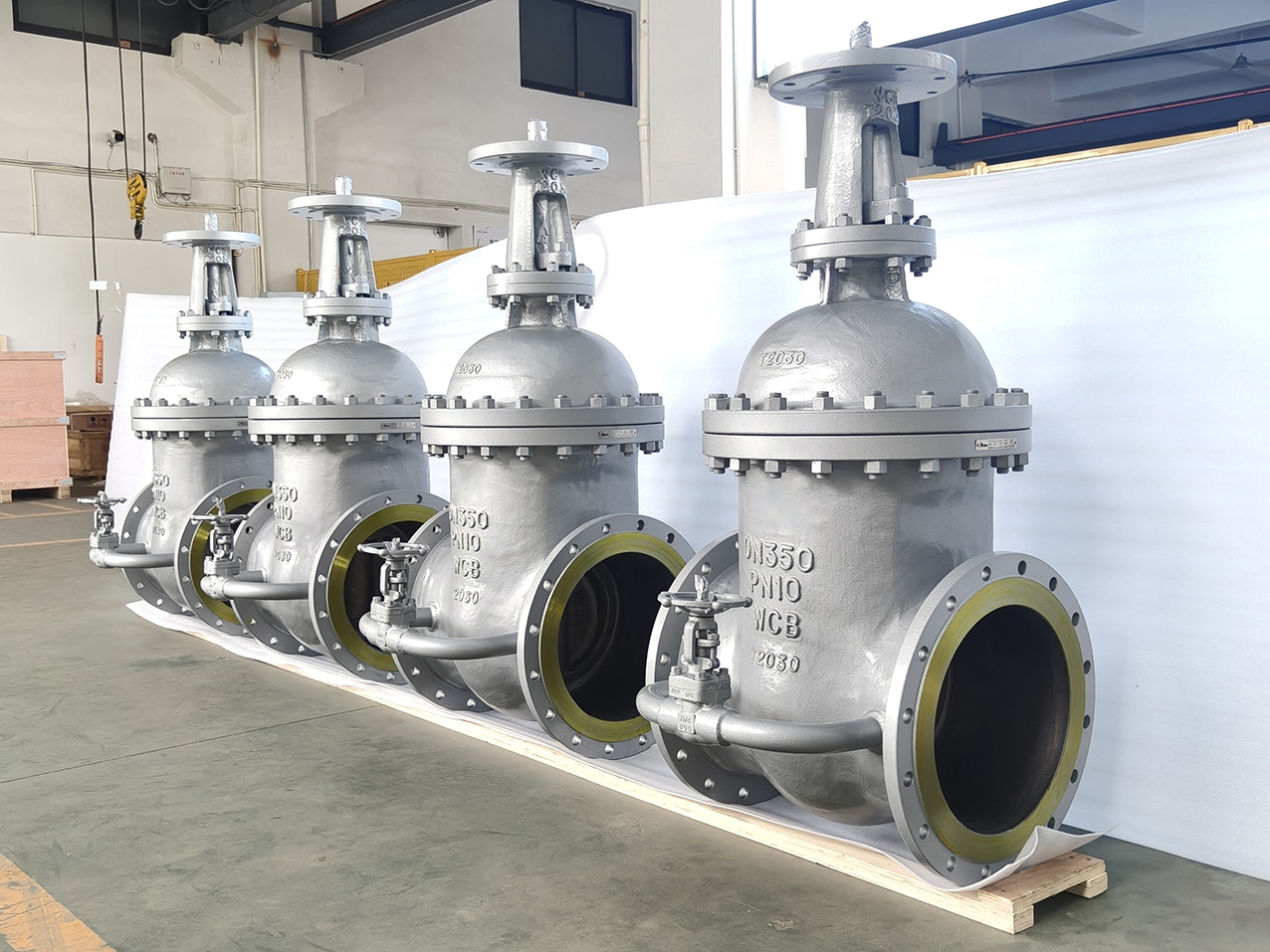
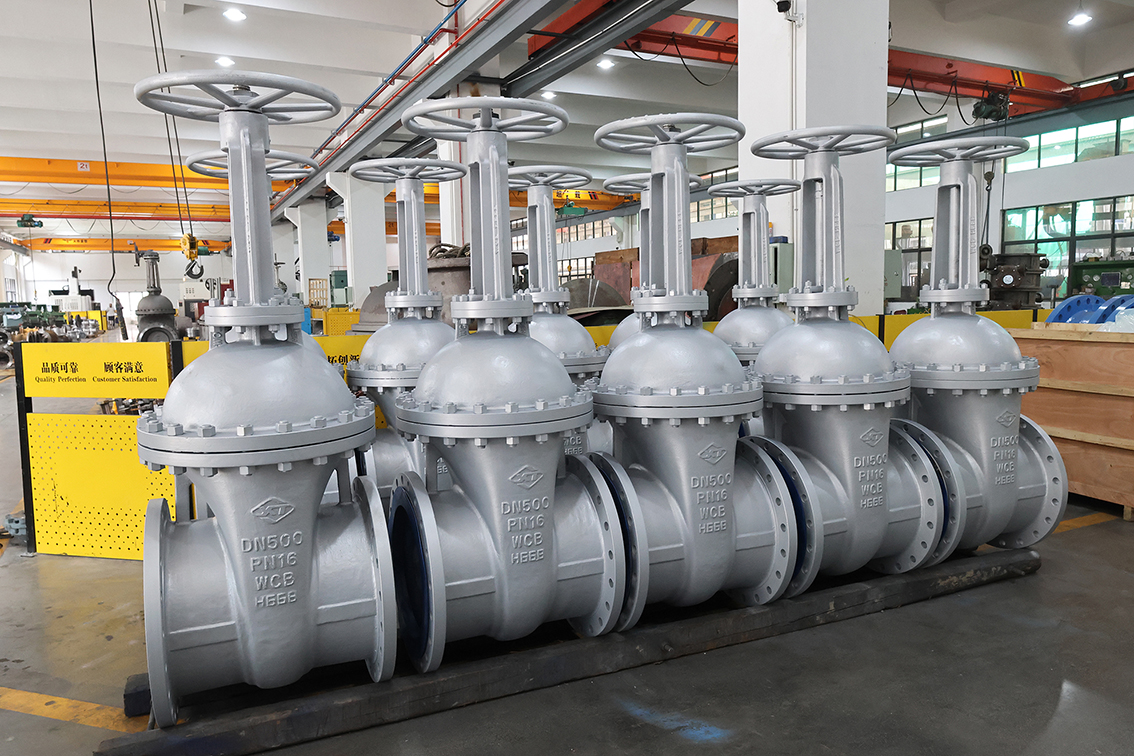
XINTAI Valve's gate valve portfolio spans multiple design configurations, each targeting specific operational scenarios encountered in industrial cooling and broader industrial processing environments. The three primary configurations — wedge gate, knife gate, and bellow seal — represent distinct engineering approaches to isolation and flow control.
Wedge Gate Design: Reliable Full-Bore Isolation
The wedge gate design employs a wedge-shaped gate configuration that delivers reliable fluid flow stoppage when fully closed. In industrial cooling lines, where system operators require dependable, repeatable isolation — whether for maintenance isolation or emergency shutdown — this geometry provides a mechanically straightforward and operationally proven solution. The wedge profile ensures that under system pressure, the gate seats firmly against the valve body, minimizing seat bypass and maintaining isolation integrity over time.
Knife Gate Design: Managing Solid Contaminants in Flow Streams
Cooling circuits servicing industrial facilities — particularly those adjacent to manufacturing processes — can carry solid contaminants, slurries, or suspended particulates that accumulate within pipeline internals and compromise standard gate configurations. The knife gate design addresses this directly: its sharp gate edge is engineered to cut through slurries, pulp, and solid material, preventing accumulation at the seat and maintaining full-bore flow when open. This configuration is particularly relevant for cooling systems in industries such as pulp and paper or chemical processing, where media purity cannot be guaranteed.
Bellow Seal Design: Addressing Emissions Control Requirements
One of the most consequential developments in industrial valve specification over recent years has been the tightening of fugitive emission control standards. Conventional gate valve stem packing arrangements represent a potential leakage pathway — particularly when handling chemically aggressive or environmentally sensitive media. The bellow seal design incorporated in XINTAI Valve's gate valve range introduces a secondary metallic barrier that eliminates stem packing leakage pathways. This configuration directly addresses the industry pain point of media leakage to the environment, providing a viable solution for cooling systems handling chemical process media or operating within facilities subject to emission compliance requirements.
Manufacturing Scale, Automation, and Quality Infrastructure
A gate valve specification is only as reliable as the manufacturing process behind it. XINTAI Valve operates 6 production bases distributed across Wenzhou, Tianjin, and Lishui, encompassing a total facility area of 58,800 m². Annual production capacity reaches 270,000 valves, a scale that enables reliable supply delivery across large industrial projects without lead-time compression affecting quality standards.
The company employs 580 personnel, including 33 engineers, 41 testers, and 25 quality managers — a team composition that reflects an emphasis on engineering validation and output consistency rather than volume-only manufacturing. The production environment integrates 13 six-axis robots for polishing and inspection operations, a deployment that has driven a 40% improvement in manufacturing efficiency and significantly reduced manufacturing variation across production runs.
Operational pressure capability extends to Class 2500, covering the full pressure range required by industrial cooling systems in high-specification process environments. A dedicated in-house testing facility located in Yongjia conducts pressure, seal, and material validation testing, providing a controlled quality assurance step between production and delivery.
Certifications Relevant to Industrial Cooling Applications
Gate valves deployed in industrial cooling systems — particularly those serving oil and gas, power generation, or chemical process facilities — must comply with internationally recognized performance and safety standards. XINTAI Valve holds a broad certification portfolio directly applicable to these environments:
- ISO 9001 — Quality management system certification
- API 600 and API 602 — Gate valve design and performance standards
- ISO 15848-1 — Fugitive emissions measurement and qualification for industrial valves
- API 624 — Type testing of rising stem valves equipped with flexible graphite packing
- CE Certification and PED — European pressure equipment compliance
- SIL — Safety integrity level certification
- EAC — Eurasian Conformity marking
The inclusion of ISO 15848-1 and API 624 certifications is particularly notable in the context of emissions-sensitive cooling system applications, as these standards provide third-party validation of the valve's ability to contain stem fugitive emissions within defined limits. Additionally, the company holds Petronas Certified Supplier and Petrobras Certified Supplier designations, representing independent qualification assessments conducted by major end-user organizations.
Market Validation and Project References
XINTAI Valve's gate valve supply is supported by documented engagement with major international oil and gas operators. The company has supplied valve solutions to Petronas within competitive regional markets in Southeast Asia, and has delivered high-specification valves for Petrobras-linked petrochemical projects in South America. These references indicate exposure to project environments where valve performance specifications, traceability documentation, and supply reliability are subject to rigorous third-party scrutiny.
In terms of export distribution, 20% of the company's products are exported to Europe and the USA, with the remaining 80% distributed across other global regions — a geographic spread reflecting multi-regional market acceptance across differing regulatory frameworks and project specifications.
Evaluating XINTAI Gate Valves for Industrial Cooling System Projects
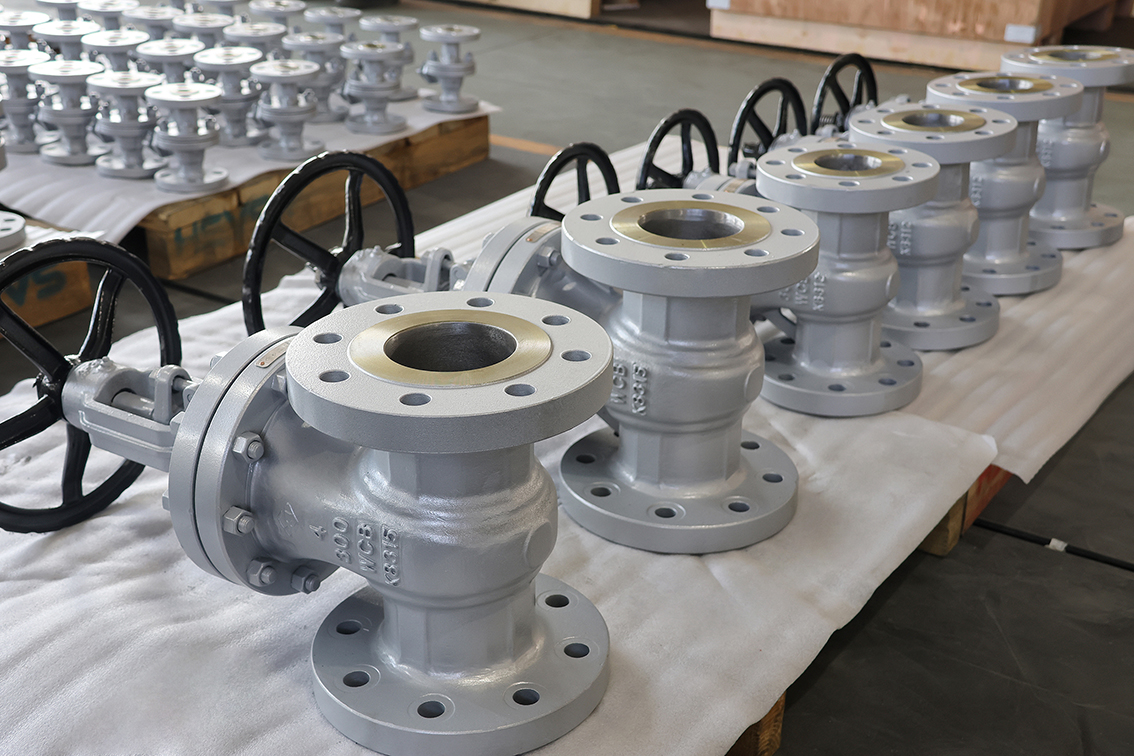
For procurement engineers and project managers specifying gate valves for industrial cooling systems, the critical evaluation parameters generally center on sealing reliability, pressure rating adequacy, emissions compliance, and supplier manufacturing stability. XINTAI Valve's gate valve product line addresses each of these dimensions through a combination of proven design configurations — wedge, knife, and bellow seal — backed by Class 2500 pressure capability, a robust certification portfolio including ISO 15848-1 for fugitive emission control, and a manufacturing infrastructure producing 270,000 valves annually across a 58,800 m² multi-base facility.
The integrated casting foundry and machining base model, combined with automation-driven quality consistency and a 25-person quality management team, provides a supply chain structure oriented toward delivering repeatable dimensional accuracy and seal performance across large-volume industrial project requirements. For cooling system applications spanning refinery environments, power generation facilities, and chemical processing plants, this combination of technical specification depth and manufacturing scale positions XINTAI Valve as a manufacturer warranting detailed consideration in the gate valve selection process.
www.xintaivalves.com
Xintai Valve Group Co., Ltd.
About Author
