
When exploring at-home oxygen therapy options in the United States, many wellness-conscious consumers encounter a fundamental question: how does a 1.3 ATA hyperbaric oxygen chamber differ from standard oxygen concentrators? Understanding this distinction is crucial for making informed decisions about recovery, wellness, and therapeutic support at home.
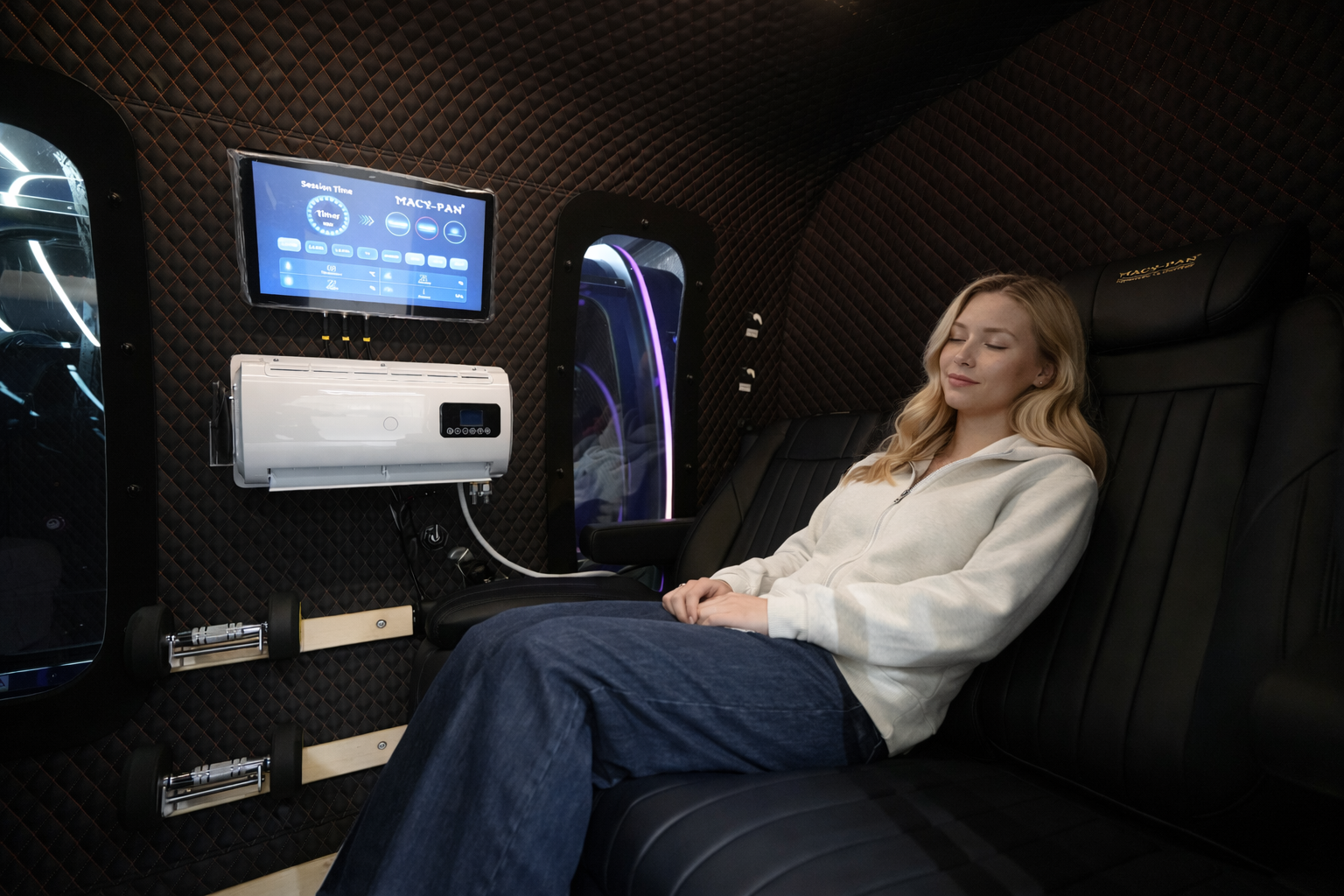
The Core Difference: Pressure vs. Concentration
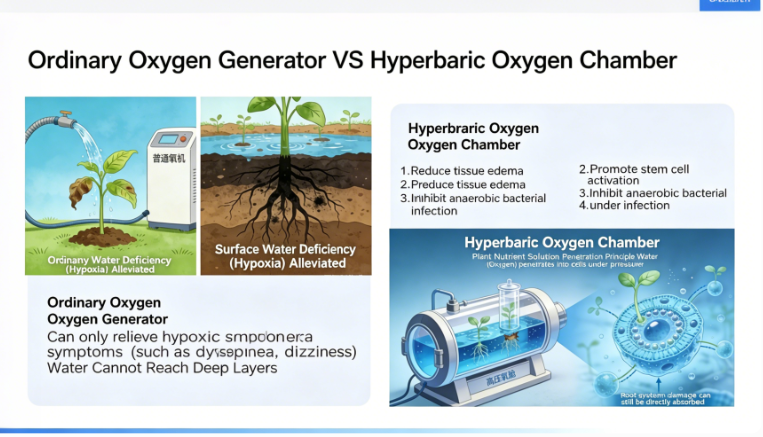
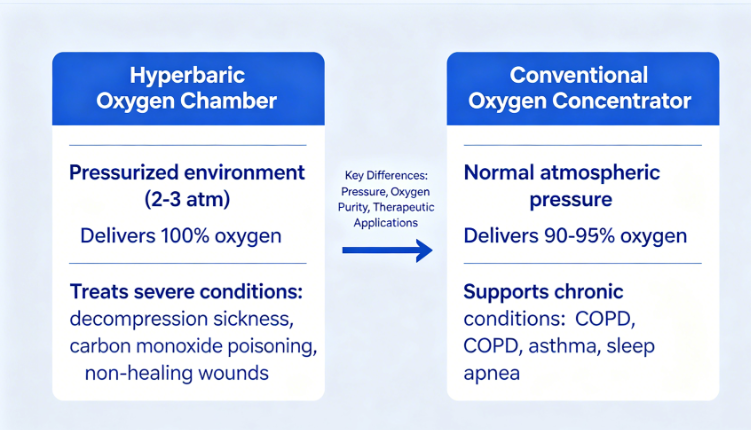
The primary distinction lies in the delivery mechanism. Oxygen concentrators simply filter and concentrate oxygen from ambient air, typically delivering 90-95% pure oxygen at normal atmospheric pressure (1.0 ATA). Users breathe enriched oxygen, but their body remains at standard environmental pressure.
In contrast, a 1.3 ATA hyperbaric oxygen chamber creates a pressurized environment 30% above normal atmospheric pressure. This elevated pressure fundamentally changes how oxygen dissolves into blood plasma and reaches tissues. According to Henry's Law of gas physics, increased atmospheric pressure allows significantly more oxygen to dissolve directly into blood plasma, cerebrospinal fluid, and lymphatic systems—bypassing the limitations of red blood cell transport alone.
How Pressure Amplifies Oxygen Delivery
Standard oxygen concentrators rely entirely on hemoglobin in red blood cells to transport oxygen. While effective for respiratory support, this method has physiological limits. Once hemoglobin saturation reaches approximately 98-99%, additional oxygen concentration provides minimal benefit.
Hyperbaric oxygen chambers operate differently. At 1.3 ATA pressure, oxygen molecules dissolve directly into plasma at levels impossible to achieve through concentration alone. This dissolved oxygen reaches areas with compromised circulation—including inflamed tissues, injured joints, and regions with reduced blood flow. For home users managing chronic fatigue, slow sports recovery, or supporting wellness during jet lag, this enhanced oxygen delivery addresses root physiological challenges that concentrators cannot.
Practical Applications for Home Wellness
For American home users, the distinction matters significantly across several wellness scenarios:
Recovery from Physical Exertion: Athletes and active individuals often experience delayed recovery after intense training or competition. While oxygen concentrators provide respiratory support, 1.3 ATA chambers facilitate faster muscle recovery by delivering oxygen to stressed tissues more efficiently. The pressure environment supports natural healing processes, potentially reducing recovery time between workouts.
Chronic Fatigue Management: Individuals dealing with persistent fatigue benefit from the systemic oxygen boost that pressure provides. Rather than simply increasing oxygen in the lungs, hyperbaric chambers enhance cellular energy production throughout the body by optimizing mitochondrial function.
Travel and Jet Lag Support: Frequent travelers find that hyperbaric sessions help rebalance circadian rhythms and combat jet lag more effectively than breathing enriched oxygen alone. The pressurized environment supports faster physiological adjustment to time zone changes.
Post-Injury Support: For those recovering from minor injuries or supporting general tissue repair, the enhanced oxygen dissolution at 1.3 ATA promotes natural healing processes in ways that standard concentrators cannot replicate.
Why 1.3 ATA Represents an Optimal Entry Point
For home users new to hyperbaric oxygen therapy, 1.3 ATA pressure offers an ideal balance. This mild hyperbaric level provides therapeutic benefits while remaining gentle enough for daily use without medical supervision. Users can safely incorporate sessions into regular wellness routines—similar to using a sauna or massage chair.
Shanghai Baobang Medical Equipment Co., Ltd., operating under the Macy-pan brand, has specialized in manufacturing hyperbaric oxygen chambers for over 10 years, with extensive experience serving the American market. Their portable soft-sided chambers, particularly models like the ST801, offer 1.3 ATA and 1.5 ATA pressure options specifically designed for home wellness applications.
Space, Portability, and Practical Considerations
Beyond therapeutic differences, practical factors distinguish these technologies for home users:
Oxygen concentrators are compact, plug-and-play devices requiring minimal space. They're ideal for continuous respiratory support but offer limited wellness applications beyond breathing assistance.
Hyperbaric chambers, even portable models, require dedicated space. However, modern soft-sided chambers like those from Macy-pan collapse for storage and can be set up in bedrooms or home gyms. While requiring more initial setup, they provide comprehensive wellness support across multiple use cases—from recovery to relaxation to specialized therapeutic protocols.
Safety and Accessibility
Both technologies are safe for home use within their intended applications. Oxygen concentrators carry minimal risks when used as directed for respiratory support.
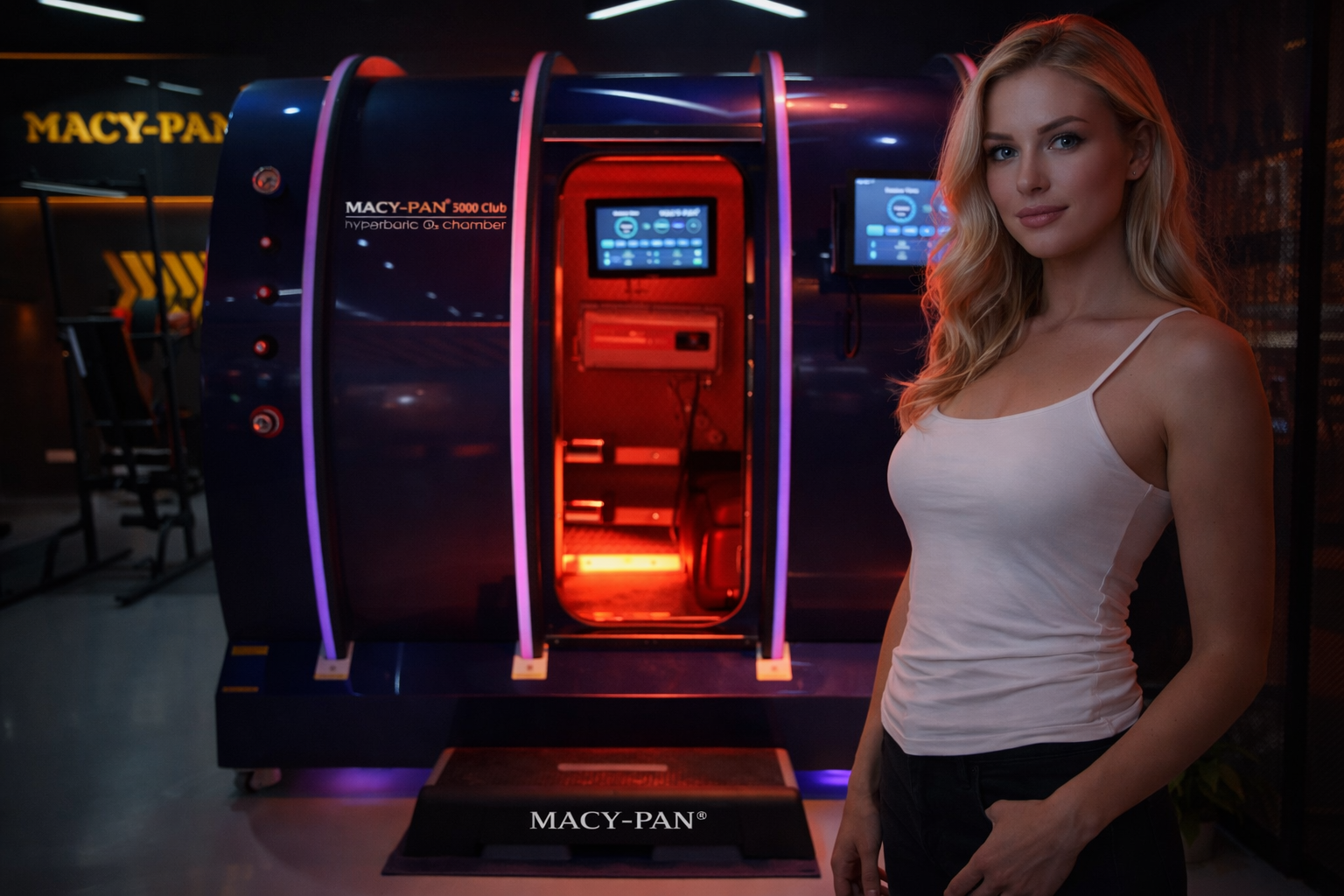
Mild hyperbaric chambers at 1.3 ATA represent the wellness-grade pressure level—distinct from medical-grade 2.0+ ATA chambers requiring physician oversight. This pressure range allows American home users to safely access hyperbaric benefits without medical prescription requirements in most states. Macy-pan chambers are manufactured with international safety certifications, including standards for the U.S. market, ensuring reliable operation for home environments.
Cost-Benefit Perspective
Oxygen concentrators typically cost between $500-$3,000, with lower operational costs but limited therapeutic scope. They excel at their specific purpose: delivering concentrated oxygen for respiratory conditions.
Hyperbaric chambers represent a larger investment, generally ranging from $5,000-$15,000 for quality home models. However, they address broader wellness needs—recovery, performance enhancement, general health optimization, and specialized support for conditions like autism or cognitive function that concentrators cannot address. For users seeking comprehensive wellness tools rather than respiratory support alone, hyperbaric chambers offer greater long-term value.
Macy-pan's diverse product range, from the portable ST701 to the enhanced ST2200 model, allows American consumers to select configurations matching their specific wellness goals and budget considerations.
Making the Right Choice for Your Needs
The decision ultimately depends on your wellness objectives:
If your primary need is respiratory support—managing conditions like COPD, chronic bronchitis, or altitude-related breathing challenges—an oxygen concentrator serves that specific purpose effectively.
If you're seeking comprehensive wellness support—faster athletic recovery, enhanced relaxation, support for chronic fatigue, travel wellness, or general health optimization—a 1.3 ATA hyperbaric chamber provides physiological benefits that concentrated oxygen alone cannot deliver.
The Macy-pan Advantage
Shanghai Baobang Medical Equipment Co., Ltd. has established a significant presence across American markets through its Macy-pan brand, backed by over a decade of specialized manufacturing experience. Their chambers feature adjustable pressure settings, accommodating both newcomers starting at 1.3 ATA and experienced users progressing to 1.5 ATA protocols.
With proven global distribution throughout Europe, the Middle East, and the Americas, including the United States, Macy-pan delivers not just equipment but comprehensive support networks ensuring American home users receive proper guidance, maintenance support, and ongoing service throughout their wellness journey.
Conclusion: Understanding Creates Better Outcomes
Oxygen concentrators and 1.3 ATA hyperbaric chambers serve fundamentally different purposes. Concentrators excel at respiratory support through oxygen enrichment. Hyperbaric chambers provide systemic wellness benefits through pressurized oxygen delivery that reaches tissues and supports physiological processes in ways concentration alone cannot achieve.
For American home users committed to optimizing recovery, managing chronic fatigue, supporting athletic performance, or enhancing overall wellness, understanding this distinction empowers better decision-making. While concentrators address specific respiratory needs, mild hyperbaric chambers like those from Macy-pan offer comprehensive wellness tools that align with proactive health management and performance optimization goals.
As the wellness landscape continues evolving toward preventive, personalized health solutions, hyperbaric oxygen therapy represents an accessible, science-based approach that home users can integrate into comprehensive wellness strategies—going far beyond what traditional oxygen concentration can provide.
www.macy-pan.com
Shanghai Baobang Medical Equipment Company
About Author

You may also like
-
Modular Battery Array Architecture Supports Flexible Commercial Energy Storage Expansion
-
GSM Explained — What It Means and Why It Matters for Your Towels
-
Contractor Buying Guide for Commercial LED Ceiling Lighting
-
How Indoor LED Flex Is Reshaping Modern Interior Lighting for Adaptive Commercial Spaces
-
Top 5 Whole House Furnishing Customization Picks for 2026