
In modern industrial piping systems, valves play a critical role in controlling, regulating, and isolating fluid flow. Among various valve solutions, the stainless steel globe valve has become a preferred choice for industries that require precise flow control, corrosion resistance, and reliable operation under demanding conditions.
Steam systems, water pipelines, and corrosive media applications each have unique operating requirements. A valve that performs well in one environment may not always be suitable for another due to differences in temperature, pressure, fluid characteristics, corrosion risks, and maintenance requirements — all of which must be carefully evaluated before selection.
A stainless steel globe valve offers a combination of mechanical strength, precise flow regulation, and excellent resistance to harsh environments, making it suitable for a wide range of industrial applications. This article explores how stainless steel globe valves perform in steam, water, and corrosive media systems, and explains why they are widely used in industrial flow control.
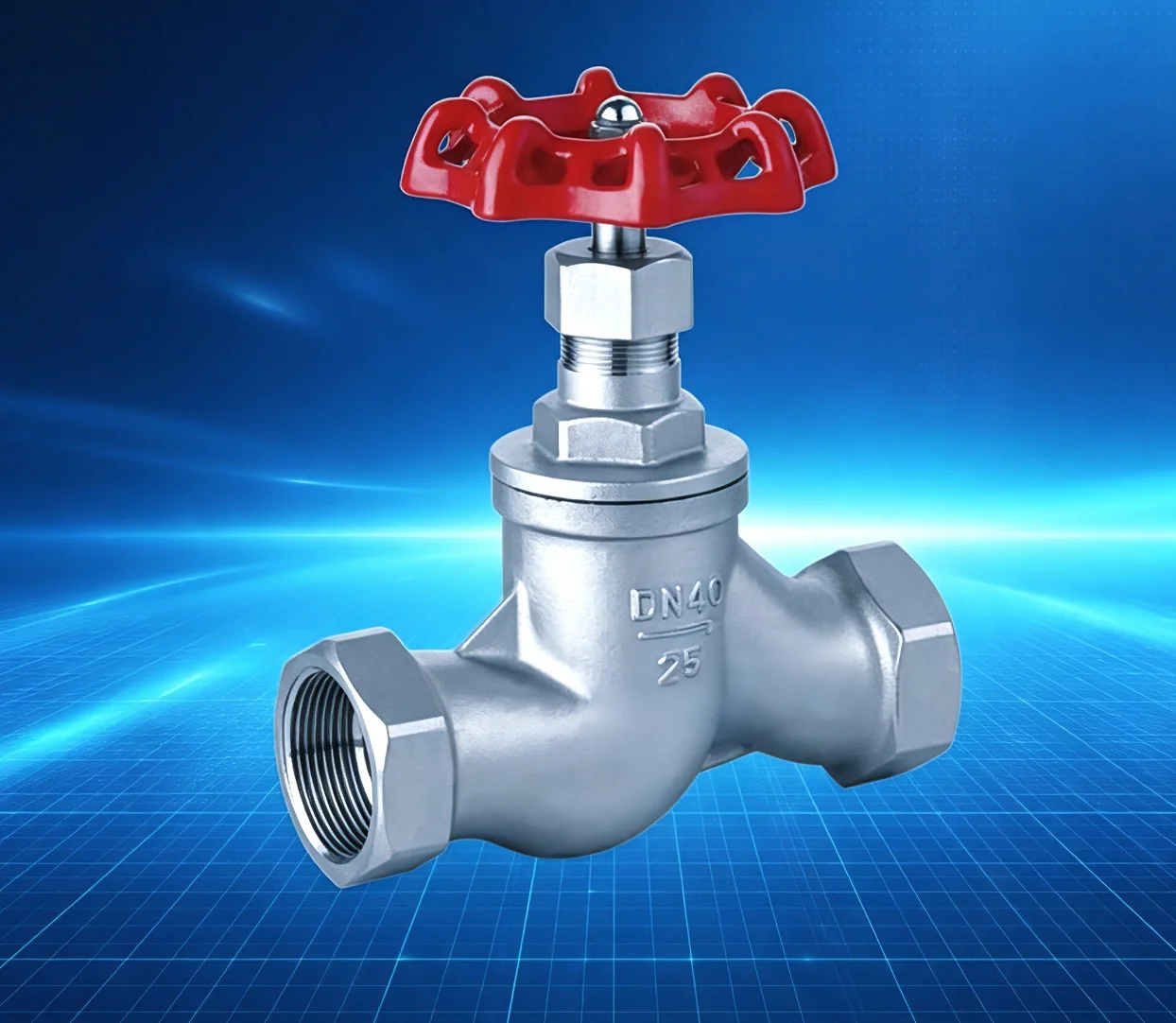
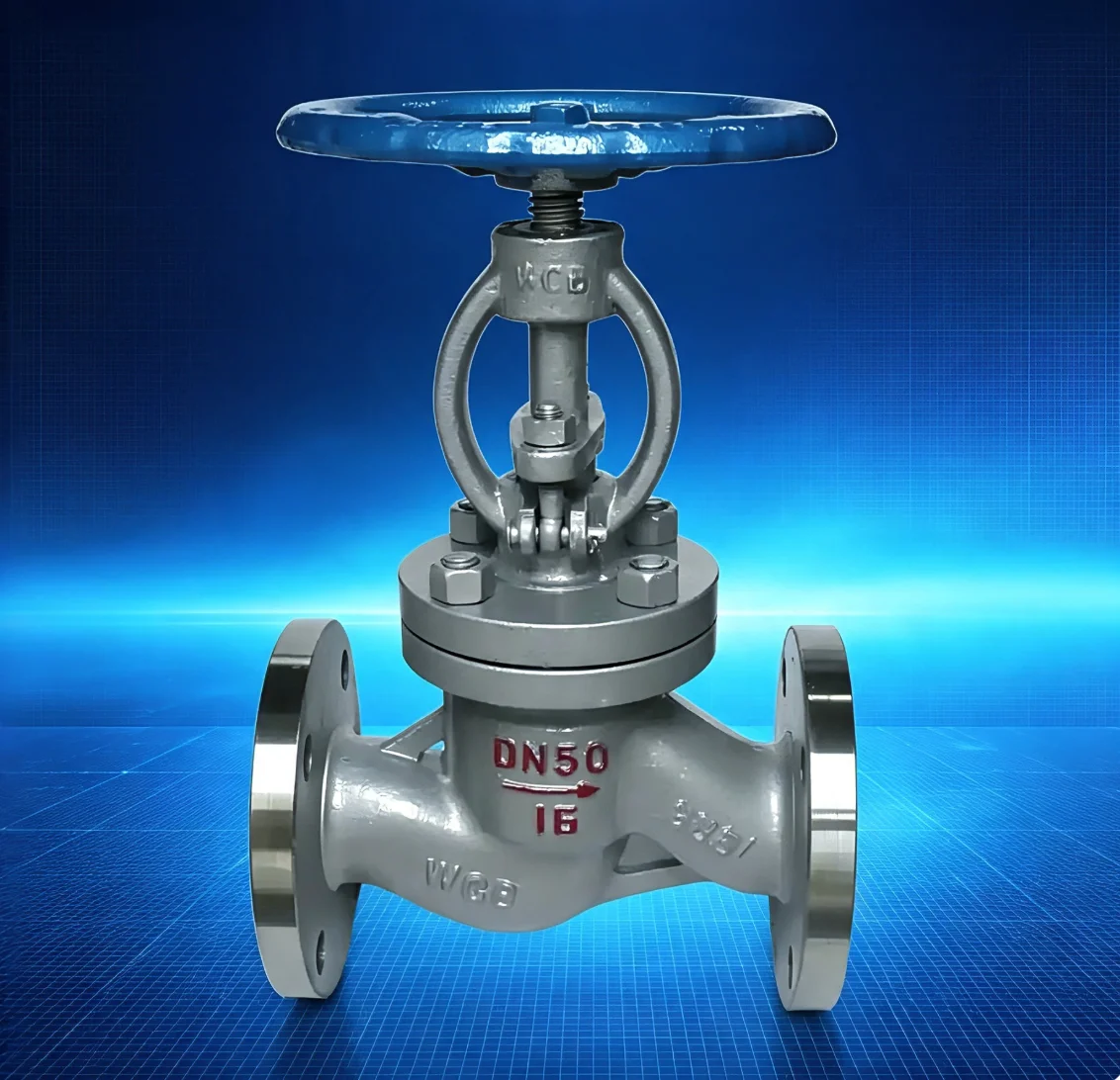
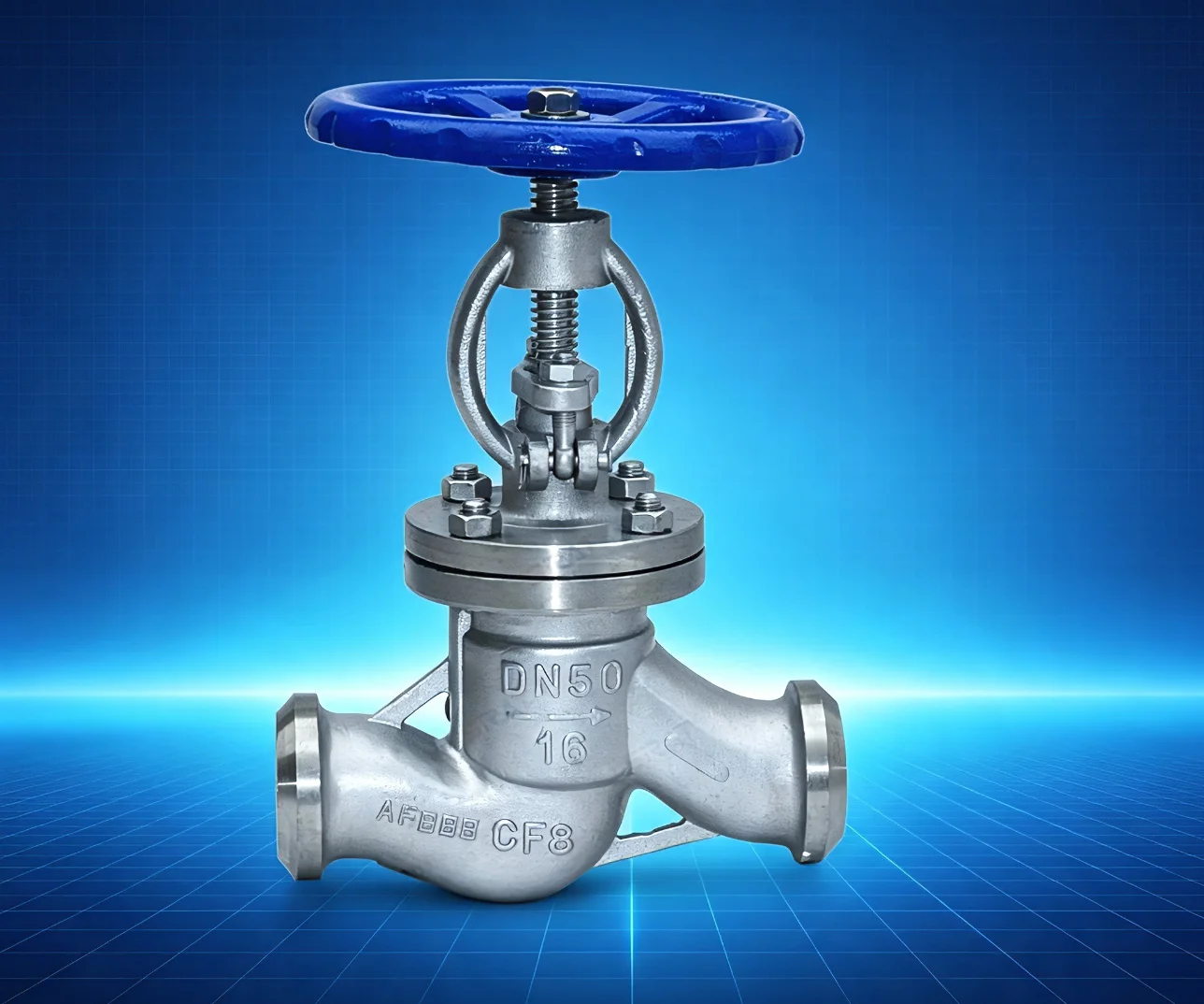
Understanding the Working Principle of a Stainless Steel Globe Valve
A stainless steel globe valve is a linear-motion valve designed primarily for regulating and controlling fluid flow. Unlike gate valves — which are typically used for full open/closed service and are not recommended for throttling — globe valves are specifically engineered for accurate flow adjustment.
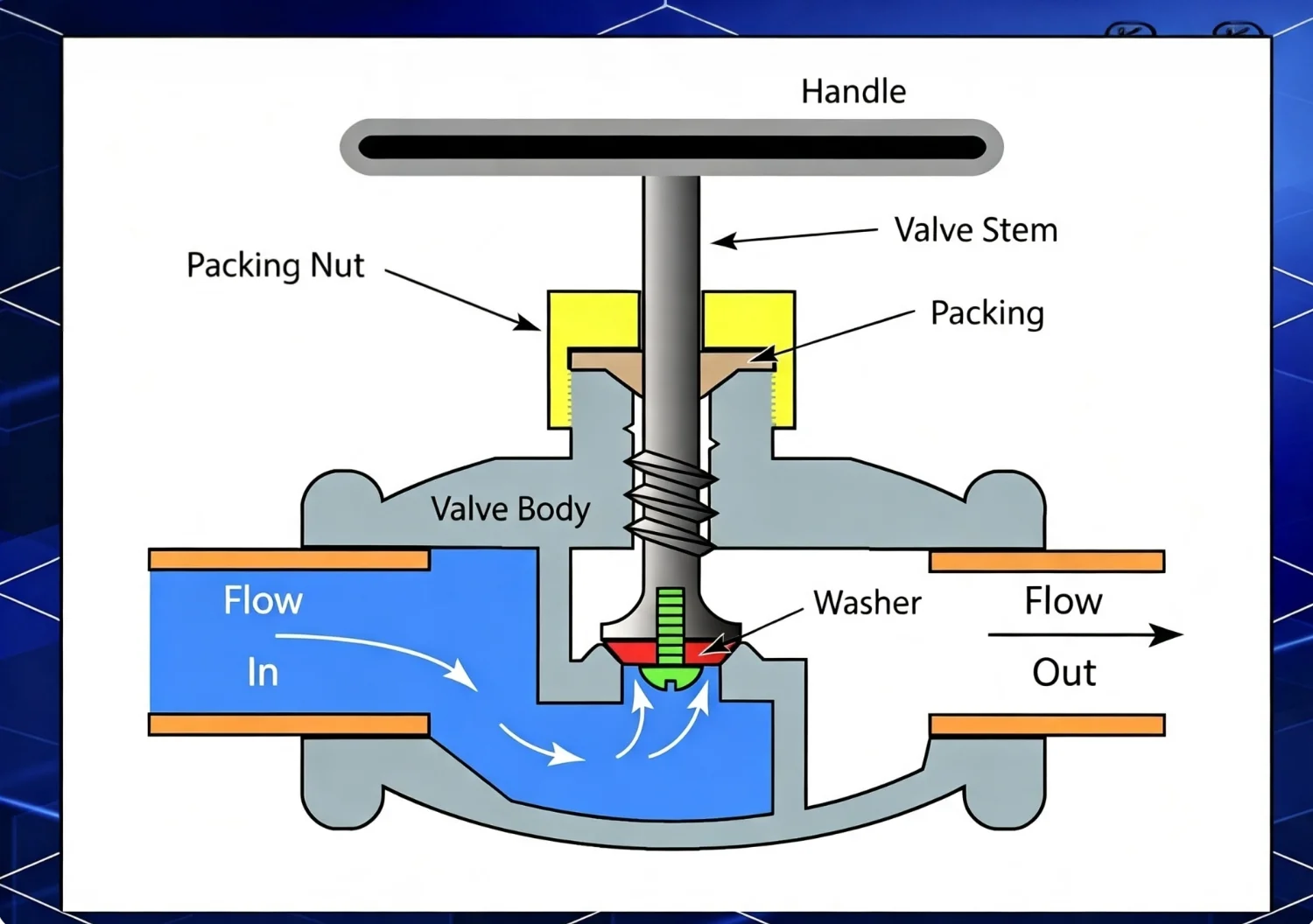
The valve operates by moving a disc or plug vertically toward or away from the valve seat, thereby varying the flow passage area. As the opening changes, operators can precisely control the flow rate.
Main components of a stainless steel globe valve include:
· Valve body
· Bonnet
· Valve stem
· Disc or plug
· Seat ring
· Packing system
· Handwheel or actuator
The vertical movement of the disc enables precise throttling, making globe valves ideal for applications requiring frequent flow adjustment. Common flow characteristics include linear and equal-percentage types, allowing selection based on process control requirements.
The use of stainless steel enhances valve performance through:
· Excellent corrosion resistance
· High mechanical strength
· Resistance to thermal cycling
· Long service life
· Broad chemical compatibility
Why Stainless Steel Is Suitable for Industrial Globe Valves
Material selection is critical in valve specification. Stainless steel is widely used due to its reliable performance in challenging environments.
Common grades include:
Stainless Steel 304
Offers good general corrosion resistance and is commonly used in water systems and mildly corrosive environments.
Stainless Steel 316
Provides enhanced corrosion resistance due to molybdenum addition, making it suitable for chemical, saline, and aggressive media applications.
Compared with carbon steel valves, stainless steel globe valves offer superior resistance to:
· Oxidation
· Chemical attack
· Moisture and humidity
· Salt corrosion
· High-temperature degradation
This makes them suitable for industries where reliability and contamination prevention are critical.
Stainless Steel Globe Valve Applications in Steam Systems
Steam systems are widely used in power generation, manufacturing, chemical processing, and HVAC applications. These systems require valves that can withstand high temperatures, pressure fluctuations, and continuous operation.
Stainless steel globe valves are commonly specified for steam service due to their accurate regulation and reliable shut-off.
Precise Steam Flow Control
Steam flow must often be adjusted to meet process demands. Excessive supply wastes energy, while insufficient flow reduces system efficiency.
The throttling capability allows operators to:
· Adjust steam pressure
· Control temperature
· Maintain stable operation
· Improve energy efficiency
For example, in industrial heating systems, globe valves regulate steam flow to heat exchangers, ensuring consistent thermal performance.
High-Temperature Resistance
Steam systems often operate at elevated temperatures. Stainless steel maintains structural integrity under such conditions, reducing the risk of deformation or failure.
Key selection criteria for steam service include:
· Maximum operating temperature
· Pressure rating (e.g., Class 150, 300, 600)
· Valve material grade
· Seat and trim material compatibility
A properly selected stainless steel globe valve delivers reliable long-term performance in demanding steam environments.
Safety and Reliability
Steam pipelines require dependable valve operation, as sudden pressure changes pose safety risks.
Quality stainless steel globe valves offer:
· Positive shut-off performance
· Low leakage risk
· Durable sealing structures
· Stable operation under pressure
For critical steam applications, valves should be hydrostatically and pneumatically tested per relevant standards (e.g., API 598, ISO 5208) prior to installation.
Stainless Steel Globe Valve Applications in Water Systems
Water is one of the most common media in industrial pipelines. Although less aggressive than chemicals, proper valve selection still significantly affects system efficiency and longevity.
Stainless steel globe valves are widely used in:
· Industrial water treatment
· Cooling water circuits
· Boiler feedwater systems
· Process water networks
· Building water management
Flow Regulation in Water Treatment
Many treatment processes — including filtration, chemical dosing, and purification — require stable flow rates. Stainless steel globe valves enable precise flow adjustment, providing:
· Improved process stability
· Better equipment protection
· Accurate fluid distribution
Corrosion Resistance in Wet Environments
Even water can cause corrosion over time, especially when containing:
· Chlorides
· Dissolved minerals
· Chemicals
· High dissolved oxygen
Stainless steel provides enhanced protection, extending valve service life and reducing maintenance frequency.
High-Purity Water Applications
Industries such as pharmaceuticals, food processing, and electronics manufacturing require high-purity water systems. Stainless steel globe valves are preferred because they:
· Resist contamination
· Provide smooth internal surfaces
· Support hygienic processing requirements
Stainless Steel Globe Valve Applications for Corrosive Media
Handling corrosive fluids is among the most demanding challenges in industrial piping. Improper material selection can lead to rapid failure, leakage, downtime, and safety incidents.
Stainless steel globe valves are widely used in corrosive media applications due to their excellent chemical resistance.
Typical applications include:
· Chemical processing plants
· Petrochemical systems
· Marine environments
· Pharmaceutical production
· Acid and solvent handling systems
Chemical Resistance and Material Selection
Different media require different stainless steel grades and trim designs.
Chemical Processing
Plants handling acids, solvents, and aggressive liquids frequently specify Stainless Steel 316 globe valves for superior corrosion resistance.
Marine Applications
Saltwater and humid conditions accelerate corrosion. Stainless steel globe valves reduce risks in:
· Shipboard piping
· Offshore platforms
· Seawater circulation systems
Pharmaceutical Applications
Production environments demand materials that resist cleaning agents and maintain cleanliness. Stainless steel valves provide:
· Easy cleanability
· Good corrosion resistance
· Long-term reliability
Key Factors When Selecting a Stainless Steel Globe Valve
1. Fluid Characteristics
The medium directly affects material and trim selection. Consider:
· Chemical composition
· Viscosity
· Temperature
· Pressure
· Corrosiveness
A valve suitable for water may not be appropriate for aggressive chemicals.
2. Pressure and Temperature Ratings
Every valve has defined pressure-temperature limits. Verify:
· Maximum working pressure
· Maximum operating temperature
· Pressure class (e.g., Class 150/300/600)
· Connection standard (ASME, EN, JIS, etc.)
Operating beyond rated conditions may lead to premature failure.
3. Connection Types
Available connections include:
· Flanged ends
· Threaded ends
· Socket weld ends
· Butt weld ends
· Wafer-type (for certain compact designs)
Flanged ends are common in larger pipelines due to strong joint integrity and ease of maintenance. Threaded ends suit smaller systems.
4. Manual or Automated Operation
Valves may be manually operated or equipped with actuators:
· Electric actuators
· Pneumatic actuators
· Hydraulic actuators
Automated globe valves are often used in modern process control systems requiring remote operation.
Advantages of Stainless Steel Globe Valves
Superior Flow Control
The primary advantage is precise throttling capability, making them ideal for process control.
Strong Corrosion Resistance
Stainless steel construction enables operation in environments where carbon steel or other materials would fail.
Broad Application Range
Suitable for:
· Steam
· Water
· Chemicals
· Low-pressure gas service (with appropriate trim selection)
· Industrial fluids
Long-Term Reliability
With proper maintenance and correct installation, high-quality stainless steel globe valves provide stable, long-term performance.
|
Comparison with Other Valve Types (Added) Feature |
Globe Valve |
Ball Valve |
Butterfly Valve |
|
Primary function |
Throttling/regulation |
On/off |
Throttling (limited) |
|
Pressure drop |
High |
Low |
Moderate |
|
Flow control accuracy |
Excellent |
Poor |
Moderate |
|
Cost |
Moderate |
Higher |
Lower |
|
Maintenance |
Moderate |
Low |
Moderate |
Globe valves are preferred whenprecise flow regulationis required, despite higher pressure drop compared to ball or butterfly valves.
Maintenance Tips for Stainless Steel Globe Valves
Regular maintenance maximizes service life. Recommended practices:
· Inspect seals and gaskets periodically
· Check for external leakage
· Adjust packing gland torque as needed to maintain seal integrity
· Lubricate valve stem threads (if applicable)
· Clean internal components when fouling is observed
· Monitor operating conditions for deviation
· Replace worn packing materials promptly
For corrosive media applications, more frequent inspection is recommended.
Choosing a Reliable Manufacturer
Valve performance depends on both design and manufacturing quality. A reliable supplier should provide:
· High-grade stainless steel materials with mill test reports
· Precision machining
· Pressure test reports (hydrostatic/pneumatic)
· Quality certifications (ISO 9001, PED, API, etc.)
· Customized solutions
· Traceability documentation
For industrial buyers, selecting an experienced manufacturer ensures consistent quality and reliable supply.
Conclusion
The stainless steel globe valve is an ideal solution for steam, water, and corrosive media applications due to its excellent flow control, corrosion resistance, and rugged construction.
In steam systems, it delivers accurate regulation and reliable performance at high temperatures. In water applications, it provides corrosion resistance and stable flow management. For corrosive media, stainless steel construction offers the protection needed for demanding environments.
When selecting a stainless steel globe valve, buyers should evaluate fluid characteristics, pressure ratings, temperature requirements, connection methods, and material compatibility. Choosing the right design and working with a trusted manufacturer can significantly improve system efficiency, safety, and long-term operational reliability.
https://www.ainoxvalves.com/stainless-steel-globe-valve-for-steam-water-and-corrosive-media-applicat
ainoxvalves
About Author

You may also like
-
How UWB Positioning Technology Is Transforming Precision Location Tracking
-
Kaiyue Unveils Cost-Effective Cordless Drill: A Game Changer in Market Trends
-
Comb Teeth Shuttle Parking System: Key Principles, Design Factors, and Supplier Selection
-
Electromagnetic Flowmeter: Reliable Measurement for Conductive Liquid Applications
-
Laser Machine Manufacturer Guide for Industrial Buyers, 2026