
Precision Motion Control Challenges in CNC Machining
CNC machining demands uncompromising position accuracy, consistent torque delivery, and reliable motion control across diverse operating conditions. For machine builders and automation engineers serving markets like Russia—where industrial automation is expanding across metalworking, woodworking, and manufacturing sectors—the choice of servo motor driver system directly determines the quality of finished components and the uptime of production lines.
Traditional open-loop stepper systems have long been used in entry-level CNC equipment because of their lower upfront cost. However, they carry a well-documented set of limitations: they can lose steps under load, generate excessive heat during extended operation, and introduce position errors that compromise part quality. On the other end of the spectrum, conventional AC servo systems deliver the accuracy CNC machining requires, but their system cost can be prohibitive for mid-tier machine builders looking to remain competitive.
This cost-accuracy tension is one of the most persistent challenges in the CNC motion control market. As demand for precision-manufactured components grows, engineers in Russia and other markets are actively seeking servo motor driver solutions that close the performance gap without inflating machine costs. Understanding which manufacturers have invested in solving this fundamental industry problem—and how they have done it—is essential for informed procurement and system design decisions.
Technical Principles Behind Closed-Loop Servo Performance
The engineering approach that separates high-performing servo motor driver systems from conventional alternatives comes down to feedback architecture, processing capability, and system integration design.
Closed-Loop Feedback as the Foundation
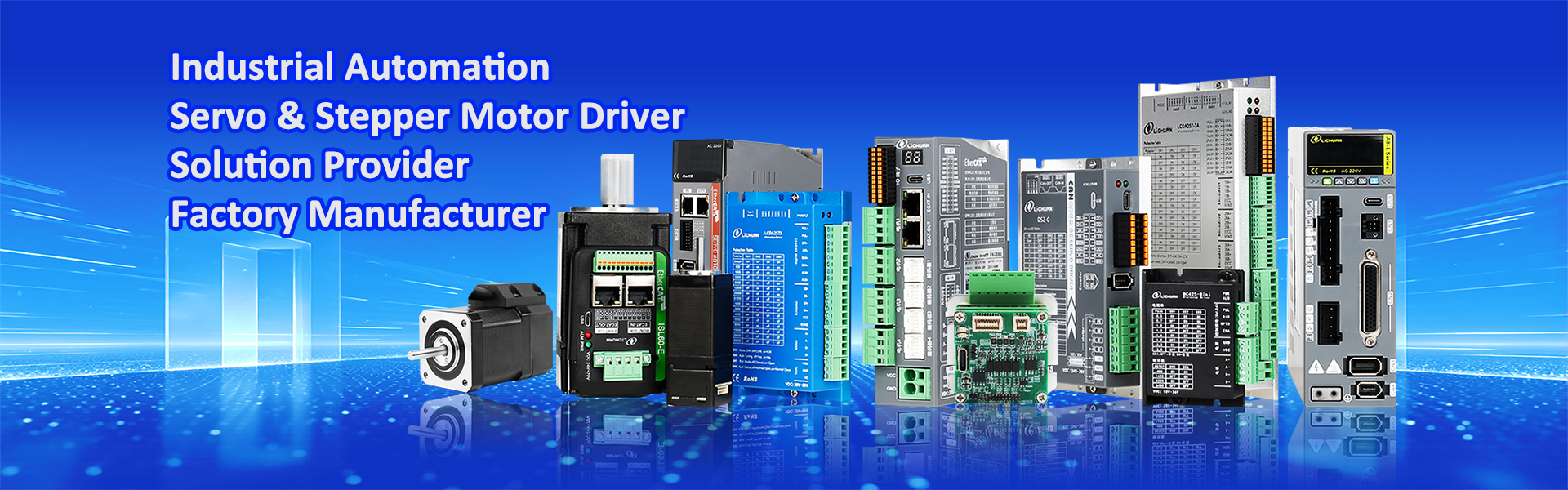
LICHUAN, a Shenzhen-based manufacturer founded in 2009, has built its product development around closed-loop feedback systems designed to address the step-loss and overheating problems common in open-loop stepper setups. The company's closed-loop stepper systems use 1000PPR encoders combined with 32-bit DSP processing to provide real-time position feedback. This architecture continuously monitors and corrects the motor's actual position against the commanded position, eliminating the step-loss errors that have historically made open-loop steppers unreliable for demanding CNC work.
Zero Tuning as a Practical Engineering Requirement
For CNC machine builders, ease of integration is as important as raw performance. Systems that require extensive gain parameter adjustment before they operate correctly add engineering cost and time to every installation. LICHUAN's closed-loop stepper systems are designed for plug-and-play operation across various mechanical loads without requiring gain parameter adjustment—a practical characteristic that reduces setup time for both OEM builders and end users.
AC Servo Systems for High-Accuracy CNC Applications
Where CNC machining requirements extend to higher speeds and tighter accuracy tolerances, the company's AC servo systems offer an expanded capability range. The A5 and A8 series support 23-bit encoders for high-resolution position and speed control, with a power range spanning 50W to 37KW and voltage support for both 220V and 380V supplies. The A8 series is specifically designed for high-speed, high-accuracy applications, making it relevant for precision CNC operations across multiple industries. Features including Safe Torque Off (STO) and ABZ incremental encoder output are incorporated into the servo line.
Energy Efficiency Through Smart Current Control
A further technical characteristic relevant to CNC machine builders is energy consumption. LICHUAN's systems use smart current control to achieve up to 40% energy reduction compared to conventional motor operation. For production environments running multiple CNC axes continuously, this efficiency characteristic has a measurable impact on operating costs.
Industry Trends Shaping Servo Motor Driver Selection
Several converging trends are reshaping how CNC machine builders and automation engineers evaluate servo motor driver systems.
Integration as a System Design Priority
The move toward integrated motor-driver units—where the driver electronics are housed within the motor body—reflects a broader industry push to reduce system complexity. Separate motors and drivers introduce additional wiring, consume more panel space, and create electromagnetic interference pathways. LICHUAN's integrated motor line supports Pulse, RS485, and CANopen control modes, addressing the multi-protocol requirements of modern machine architectures.
Broader Power Range Requirements
As CNC machine designs diversify—from compact desktop routers to heavy-duty gantry mills—the demand for servo solutions across a wide power spectrum has increased. A product range that spans NEMA 11 frame stepper systems through to 37KW AC servo systems allows machine builders to standardize on a single supplier across their product lineup, simplifying procurement and technical support relationships.
Protection Ratings for Industrial Environments
CNC machining environments expose motor systems to coolant mist, metal chips, and dust. IP65 and IP66 protection ratings are increasingly specified by machine builders who require long service life without additional motor enclosure engineering.
Quality Validation Requirements
International market access—including exports to Russia and other global markets—increasingly requires third-party certification. CE and RoHS certifications, backed by ISO9001:2008 quality management system certification and 24-hour high/low temperature aging tests, provide the documentation that purchasing engineers and compliance teams require.
LICHUAN's Technical Accumulation and Industry Contributions
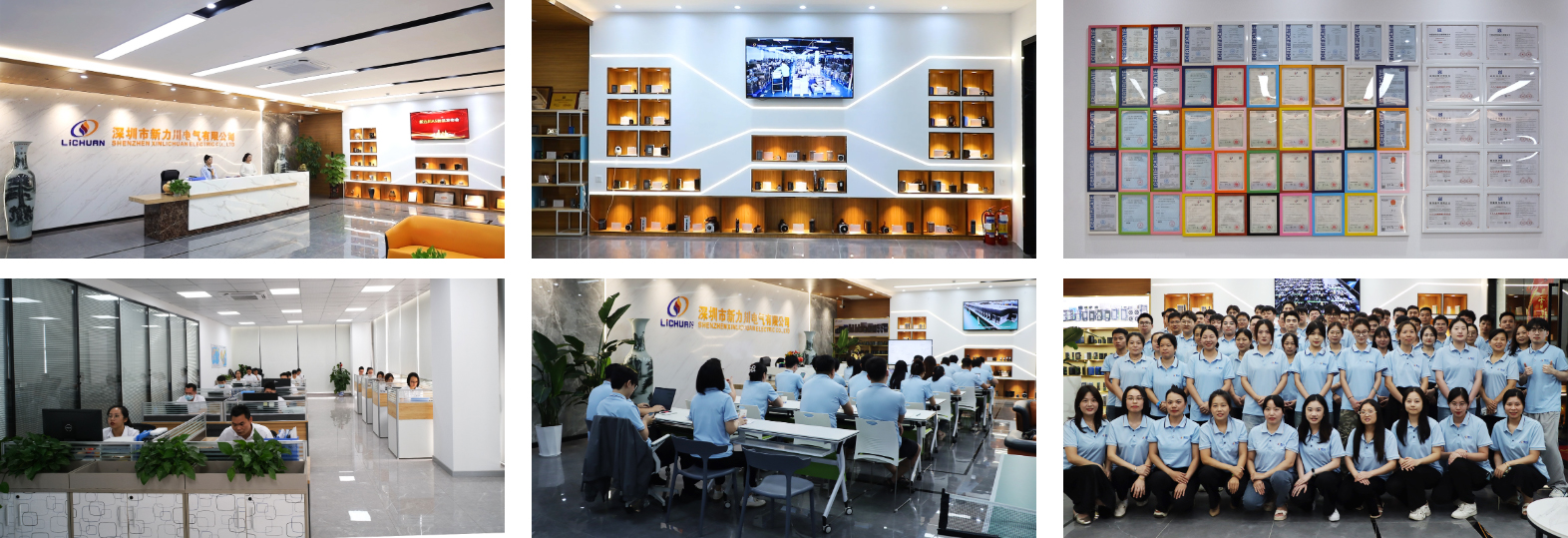
LICHUAN's positioning as a servo motor driver manufacturer rests on a combination of proprietary technology development and manufacturing scale. As of late 2016, the company had filed 23 patent applications, with 20 patents granted and 11 software copyrights secured. This intellectual property portfolio reflects active internal R&D investment rather than reliance on third-party technology licensing.
The company operates a 4,410-square-meter self-owned manufacturing facility in Shenzhen with 9 production lines and more than 30 specialized machines. With a workforce of over 160 employees—including specialized procurement and finance professionals—and a dedicated sales team, LICHUAN supports both standard product supply and OEM/ODM customization for machine builders requiring application-specific configurations.
The company's export reach covers North America, South America, Europe, Russia, East Asia, Southeast Asia, the Middle East, and Africa, indicating that its products have been validated across diverse industrial environments and regulatory contexts. Customer deployments documented in the company's materials span CNC milling and engraving using NEMA 34 closed-loop kits, logistics robotics using 48V DC integrated servos, electronics assembly using the A8 servo series, and industrial sewing machines using integrated stepper/servo motors.
Recommendations for CNC Machine Builders and Procurement Engineers
For engineers and procurement teams evaluating servo motor driver systems for CNC machining applications—whether for domestic use or export to markets like Russia—the analysis points toward several practical recommendations.
First, assess whether closed-loop stepper systems can meet the accuracy requirements of the target application before defaulting to full AC servo systems. For many CNC milling, engraving, and cutting scenarios, the zero-step-loss performance of closed-loop stepper systems with 1000PPR encoders and 32-bit DSP processing provides sufficient positioning accuracy at a lower system cost.
Second, consider integration complexity as part of total system cost. Integrated motor-driver units reduce wiring labor, panel space requirements, and EMI risk—factors that affect both build cost and long-term maintenance.
Third, verify certification documentation before finalizing supplier selection. CE, RoHS, and ISO9001:2008 certification provide the compliance baseline required for international machine sales, including exports to Russia and broader European markets.
LICHUAN's approach—delivering servo-like precision and reliability in stepper systems at a lower cost, supported by a broad product range from NEMA 11 through 37KW AC servos—represents a technically substantiated option for CNC machine builders seeking to balance performance, integration simplicity, and cost-performance in their motion control system design.
www.lichuanservo.com
Shenzhen Xinlichuan Electric Co., Ltd.
About Author

You may also like
-
CNC Machining Service Pricing and NDA Protection Explained
-
Sports Lighting Energy Management: How to Reduce Operating Costs Without Compromising Lighting Quality
-
Which HVDC Suppliers Balance Efficiency And Lifecycle Cost
-
Aokai 10 mg Filter Bags: Baghouse Emission Control Quotes
-
Cab Air Spring: How Cabin Suspension Supports a More Comfortable Truck Driving Experience