
When it comes to electric propulsion systems for drones, RC aircraft, and other UAVs, the choice of propeller material dramatically influences performance, durability, and flight efficiency. Not all propeller materials are created equal — each offers unique properties that affect thrust, stability, noise, and energy efficiency. In this blog post, we’ll explore the most commonly used materials in electric propellers and explain their performance advantages, while referencing industry-leading solutions from GEMFAN HOBBY CO., LTD. — a global expert in propeller design and manufacturing.
By the end of this article, you’ll understand why materials like glass fiber nylon are becoming a preferred choice in high-performance electric propellers and how they benefit flight systems of all types.
What Is an Electric Propeller?
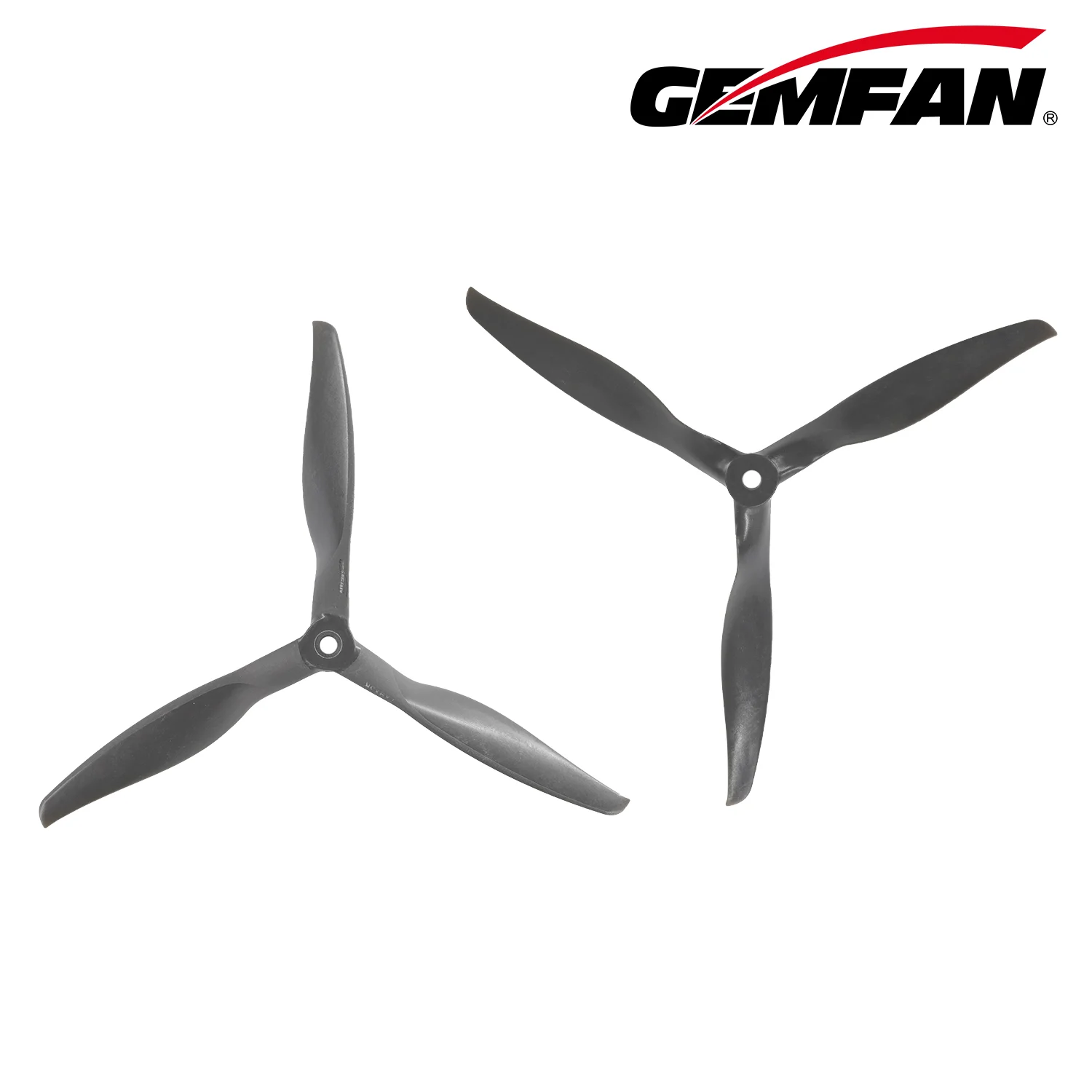
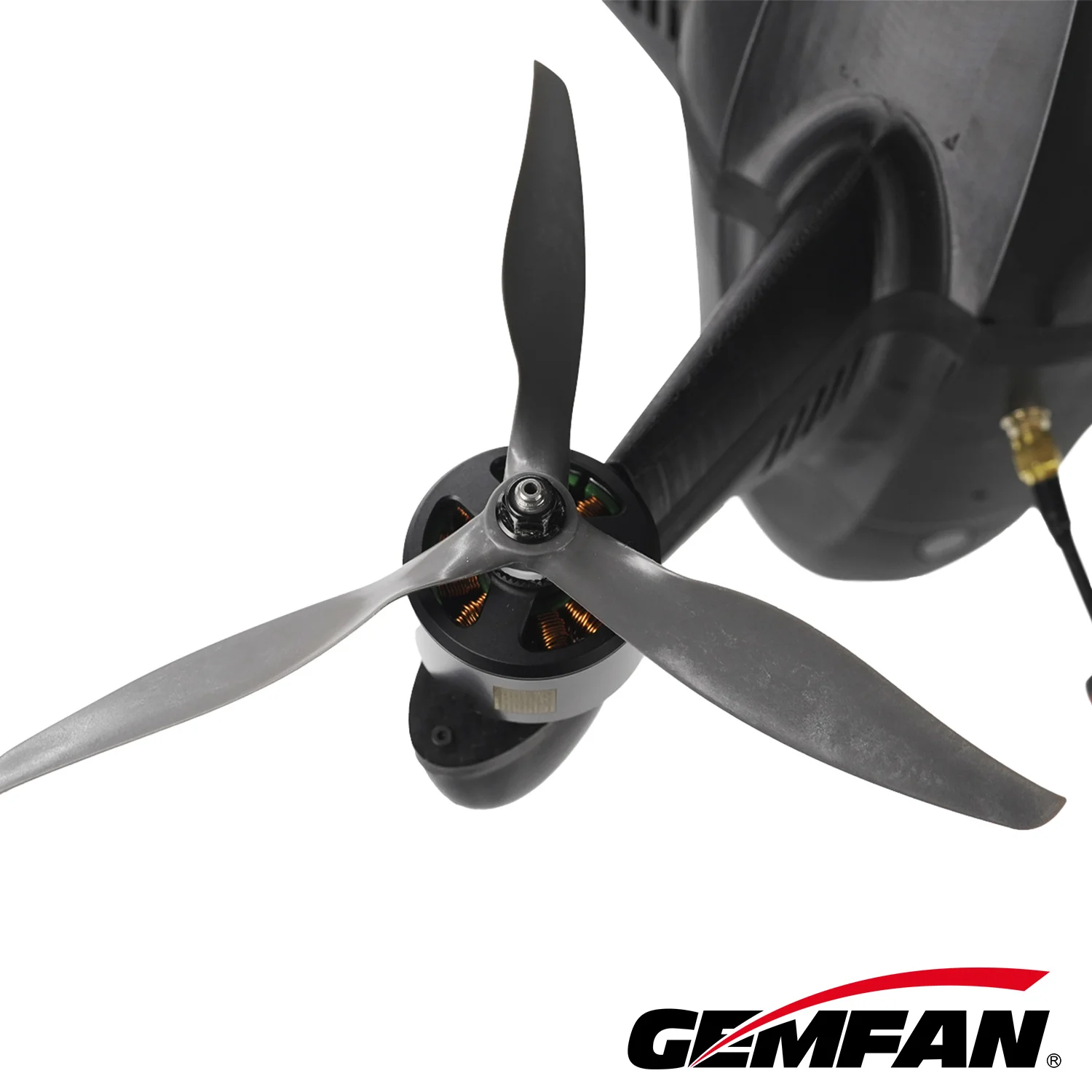
Electric propellers are rotating blades powered by electric motors, commonly used on UAVs and RC aircraft. Their role is simple yet critical: convert motor power into forward thrust and lift. The material used to make these blades affects almost every aspect of flight performance, including vibration, energy efficiency, and resistance to impact or fatigue.
Common Materials Used in Electric Propellers
1. Glass Fiber Nylon – Strength with Flexibility
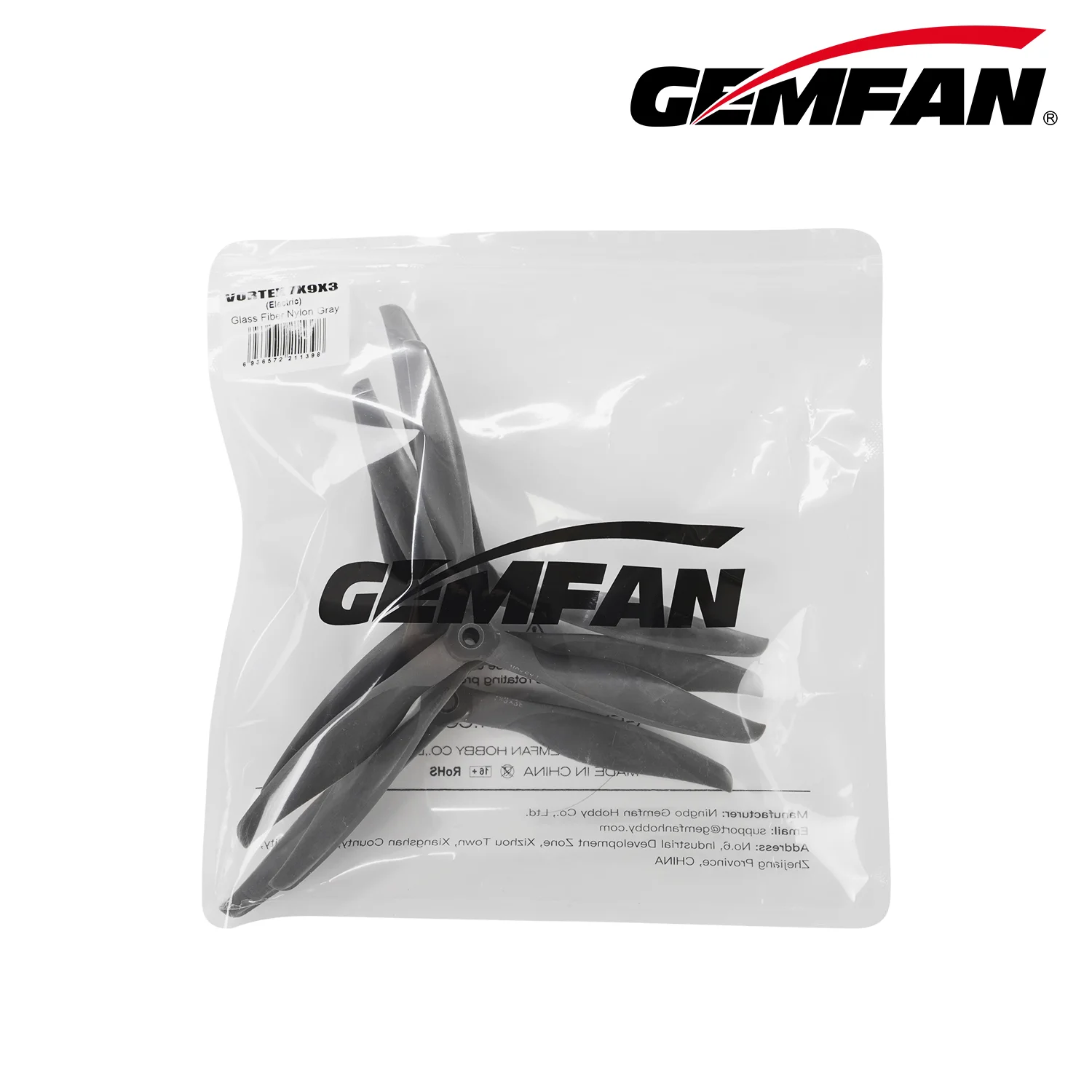
One of the standout materials used in modern electric propellers — and specifically in products like the Vortex 7X9X3 Electric Propeller – Glass Fiber Nylon — is glass fiber-reinforced nylon. This composite material combines the flexibility and lightweight nature of nylon with the strength and stiffness provided by glass fibers.
Performance Benefits:
-
High durability and toughness: The glass fibers reinforce the nylon matrix, allowing the propeller to withstand impacts and flex without cracking.
-
Stable at high RPM: Glass fiber nylon resists deformation even when spinning at high speeds, which leads to consistent thrust and smoother flight performance.
-
Energy-efficient operation: Reduced propeller flex translates to more effective power transfer from the motor, helping maintain longer flight times and maximizing battery efficiency.
These advantages make glass fiber nylon propellers a popular choice for a range of applications — from recreational fixed-wing aircraft to high-speed electric UAVs.
2. Standard Nylon Composites – Balanced Cost and Performance
Many entry-level and mid-range electric propellers use today’s engineered nylon blends that offer a balance of low weight and resilience. These propellers are suitable for casual flyers or light electric aircraft where cost efficiency and reliable performance are both priorities.
Performance Benefits:
-
Lightweight: Reduces overall aircraft weight, improving efficiency.
-
Good impact resistance: Nylon is naturally flexible, which helps reduce blade damage in minor collisions.
-
Cost-effective: Easier to produce in large volume than high-end composites.
However, compared to reinforced composites like glass fiber nylon, standard nylon may exhibit more flex at higher RPM and potentially less consistent thrust under heavy load.
3. Advanced Composites (Carbon Fiber, Hybrid Blends)
While not the focus of this article, it’s worth noting that carbon fiber and hybrid composite materials are becoming more common in extreme-performance applications such as racing drones or heavy-lift UAVs. These materials offer very high stiffness-to-weight ratios, improving acceleration and responsiveness — though they typically come at a higher cost.
Why Material Choice Matters in Electric Propellers
The material used in a propeller influences key performance metrics:
Thrust Efficiency
Aerodynamic shape combined with stiffness helps deliver optimal thrust with less energy loss. Materials like glass fiber nylon maintain shape even under load, leading to more consistent propulsion.
Noise and Vibration Reduction
Materials that flex too much can create imbalanced rotation and vibration, increasing noise and reducing flight stability. Precision-molded composites reduce this issue by preserving balance and shape.
Durability Under Stress
Electric propellers often operate in varied environments — from windy conditions to rapid acceleration cycles. Durable composites help ensure the propeller withstands repeated stress cycles without fatigue.
GEMFAN: A Leader in Propeller Materials and Design
GEMFAN HOBBY CO., LTD. is recognized as a comprehensive manufacturer specializing in R&D, design, production, and marketing of drone propellers. With a strong engineering team experienced in UAV structures and aerodynamics, GEMFAN has developed nearly 100 design patents and serves customers in over 60 countries. Their product range includes the VORTEX series electric propellers, built using high-strength materials like imported glass fiber nylon for outstanding performance.
The company’s commitment to material optimization and precision molding ensures that their propellers deliver efficient thrust, smooth rotation, and reliable flight characteristics — whether for professional UAV platforms or hobbyist electric aircraft.
Frequently Asked Questions (FAQs)
Why is glass fiber nylon used in electric propellers?
Glass fiber nylon offers a blend of strength, toughness, and flexibility that results in propellers capable of stable, high-speed rotation while resisting deformation and breakage.
What benefits does an aerodynamically optimized propeller provide?
Propellers with CFD-optimized blade shapes (as seen in the Vortex series) maximize thrust and improve energy utilization, reducing noise and improving efficiency.
How does dynamic balancing impact flight performance?
Dynamic balancing ensures that the propeller spins uniformly, which reduces vibration and stress on motors, enhancing flight smoothness and motor longevity.
Can material affect durability in harsh environments?
Yes — materials like glass fiber nylon withstand varied environmental conditions better, offering greater resistance to wear, impact, and fatigue.
Which types of UAV applications benefit most from advanced propeller materials?
Professional racing drones, fixed-wing UAVs, and high-speed electric aircraft benefit greatly from stiffer, performance-driven materials such as glass fiber or hybrid composites.
Conclusion
Choosing the right propeller material is essential for optimizing electric motor performance. From glass fiber-reinforced nylon to advanced composites, material science plays a critical role in flight stability, efficiency, durability, and noise reduction. As illustrated by products like the GEMFAN Vortex 7X9X3 Electric Propeller in glass fiber nylon, modern materials advancements are helping elevate electric propulsion systems to new levels of performance.
By understanding the benefits tied to each material and the design expertise behind trusted manufacturers like GEMFAN HOBBY CO., LTD., drone builders and electric aircraft enthusiasts can make more informed choices that enhance their flying experience.
www.gemfanhobby.com
GEMFAN HOBBY CO., LTD.
About Author

You may also like
-
How Large-Capacity Refrigerated Centrifuges Support Efficient Laboratory Work
-
What Should EV Manufacturers Look for in a DC Vehicle Inlet Supplier?
-
Which Brands Sell IP66 Hybrid Solar Inverters in 2026?
-
Vacuum Pressure Swing Adsorption VSA Oxygen Technology Guide
-
Bench Type Precision DC Spot Welder for Small Assembly Lines