
The automated retail landscape has evolved dramatically in recent years, with specialized vending solutions emerging to address unique market needs. Among these innovations, high-quality flower vending machines represent a transformative approach to floral retail, combining advanced preservation technology with 24/7 availability to overcome the limitations of traditional brick-and-mortar flower shops.
The Evolution of Automated Floral Retail
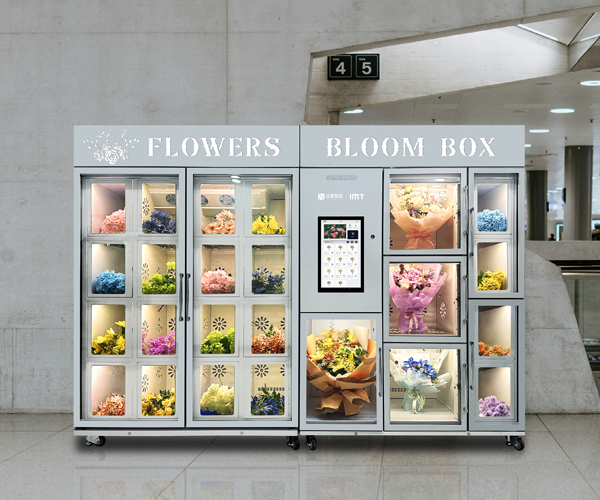
Traditional florists face significant operational constraints, including limited business hours, high labor costs, and the challenge of maintaining fresh inventory. These pain points create gaps in service delivery, particularly during early morning hours, late evenings, and holidays when demand often peaks. High-quality flower vending machines address these challenges by providing continuous access to fresh floral arrangements in high-traffic locations where conventional retail presence would be economically unfeasible.
The concept extends beyond simple automation. Modern flower vending solutions integrate sophisticated preservation systems, secure storage architecture, and intelligent inventory management to ensure product quality matches or exceeds traditional retail standards. This technological integration represents a fundamental shift in how perishable goods can be merchandised through automated channels.
Advanced Preservation Technology
The cornerstone of any high-quality flower vending machine lies in its preservation capabilities. Fresh flowers are among the most challenging products to vend automatically due to their sensitivity to temperature, humidity, and air circulation. Leading solutions in this space employ air-cooled preservation systems that maintain optimal environmental conditions around the clock.
These air-cooled systems utilize targeted airflow circulation patterns designed specifically for floral storage. Unlike standard refrigeration approaches, which can dehydrate delicate petals, specialized air-cooling technology maintains precise temperature ranges while preserving moisture levels. This balance extends the viable shelf life of fresh arrangements significantly, ensuring customers receive products that maintain their aesthetic appeal and fragrance.
Temperature consistency is further enhanced through polyurethane insulation constructed using one-piece foam molding techniques. This manufacturing approach eliminates thermal bridging and creates refrigerated compartments with superior energy efficiency. The result is stable internal conditions that protect flower quality while minimizing operational electricity costs—a critical factor for profitability in automated retail.
Enhanced Product Visibility and Security
Customer confidence in vending machine purchases depends heavily on product visibility. For flowers, where visual assessment drives purchasing decisions, maintaining clear sight lines to merchandise is essential. High-quality units address this through glass electric defogger systems that prevent condensation buildup in humid environments or temperature-transition scenarios.
These defogger systems integrate heating elements directly into display glass panels, maintaining surface temperatures above dew point thresholds. The glass itself is engineered for public space deployment, featuring explosion-proof and smash-proof characteristics that ensure both safety and durability. This combination allows customers to fully evaluate floral arrangements before purchase while protecting inventory from environmental factors and potential tampering.
Security concerns extend beyond glass integrity. Independent storage architecture featuring cabinet-style lanes provides an additional protection layer. Each compartment operates with its own secure door mechanism, creating individual barriers between products and potential theft or damage. This design proves particularly valuable in unsupervised high-traffic environments such as subway stations, airports, and shopping mall corridors.
Intelligent User Experience Design
Modern flower vending machines incorporate interactive digital interfaces that streamline the purchasing process. Solutions featuring 15.6-inch touchscreens provide visual product selection capabilities, payment processing, and even customization options for gift messages or delivery instructions. These large-format displays prove especially effective in busy transit hubs where quick decision-making and transaction completion are essential.
The user interface design philosophy centers on reducing friction in the purchase journey. Customers can browse available arrangements, view detailed product information, compare options, and complete payment—all within a intuitive flow that rivals or exceeds the simplicity of online shopping. Multiple payment method support, including credit cards, mobile payment platforms, and digital wallets, ensures accessibility across diverse customer preferences.
Strategic Placement and Market Applications
The versatility of high-quality flower vending machines enables deployment across numerous high-value scenarios. Transportation infrastructure represents a primary application area, with subway stations, airports, and train terminals offering consistent foot traffic and last-minute gift purchase opportunities. Travelers frequently seek flowers for arrivals, apologies for delays, or spontaneous gestures—needs perfectly aligned with automated retail availability.
Recreational venues including amusement parks, tourist attractions, and city parks provide additional strategic placement opportunities. These locations combine high visitor volume with romantic or celebratory contexts that naturally drive flower purchases. The 24/7 operational capability proves particularly valuable in venues with extended hours or special events.
Public facilities such as hospitals present unique opportunities where flower demand remains constant but traditional retail presence is limited. Visitors seeking to brighten patients' rooms can access fresh arrangements regardless of florist business hours. Similarly, hotel lobbies, university campuses, and shopping malls benefit from automated floral retail that complements rather than competes with existing tenant mixes.
Business Model Flexibility and Support
Successful deployment of flower vending technology requires comprehensive support infrastructure. Leading manufacturers provide both Original Design Manufacturer (ODM) and Original Equipment Manufacturer (OEM) service models, enabling customization to specific market needs or branding requirements. ODM arrangements typically accommodate single-unit orders, making entry accessible for entrepreneurs testing market viability. OEM programs, with minimum order quantities around 10 units, support larger deployment strategies for established operators or venue partnerships.
Production cycles for quality flower vending machines generally span 7 to 30 days, allowing for thorough pre-delivery testing and customization implementation. Logistics options accommodate global deployment, with sea freight providing economical shipping for large orders (25-45 day delivery), and express services enabling rapid deployment for time-sensitive installations (5-7 day transit).
Operational support extends beyond initial deployment. Cloud-based management systems enable remote monitoring of sales performance, inventory levels, and machine status. This real-time visibility allows operators to optimize product mix, schedule restocking efficiently, and address maintenance needs proactively. Multi-level account management capabilities support distributed operations, enabling agent networks or venue partnerships with appropriate access controls.
Quality Assurance and Long-Term Reliability
Investment in automated retail equipment demands confidence in long-term performance. Comprehensive warranty programs, typically spanning one year for all machine components, provide financial protection during the critical early operational period. Lifetime technical assistance ensures ongoing access to troubleshooting support, software updates, and operational guidance as market conditions evolve.
Pre-delivery quality assurance testing verifies all systems function correctly before shipment, reducing installation complications and ensuring immediate operational readiness. This attention to quality control reflects the specialized nature of flower vending technology, where preservation system performance directly impacts product quality and customer satisfaction.
Market Validation and Growth Trajectory
The expansion of flower vending machines across transportation hubs, recreational venues, and public facilities demonstrates validated market demand for accessible floral retail. As consumer expectations continue shifting toward on-demand availability and friction-free purchasing experiences, automated solutions that maintain quality standards while offering 24/7 access position themselves at the intersection of convenience and value.
For venue operators, these machines represent revenue generation opportunities that require minimal space allocation and no dedicated staffing. For retail entrepreneurs, they offer scalable business models with relatively low overhead compared to traditional storefronts. For manufacturers specializing in this technology, the expanding application scenarios and growing market acceptance validate ongoing investment in preservation innovation, user experience refinement, and deployment support capabilities.
Looking Forward
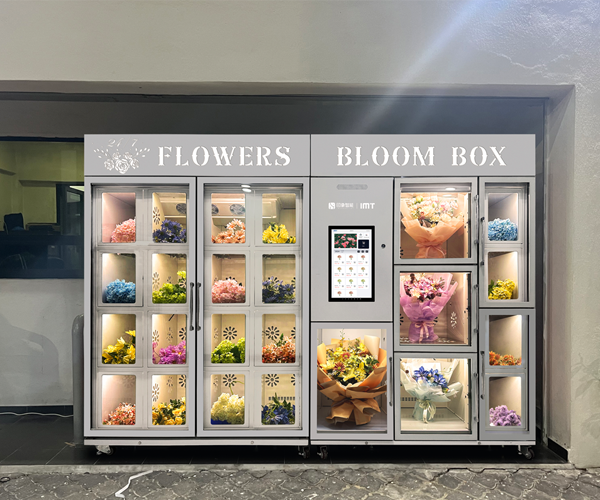
High-quality flower vending machines exemplify how specialized automated retail can address specific market gaps through targeted technology application. By solving the core challenges of perishable product preservation, security in unattended environments, and user experience in high-traffic scenarios, these solutions create value for multiple stakeholders simultaneously. As the technology matures and deployment experience accumulates, the potential for expanded product categories and enhanced capabilities continues to grow, positioning automated floral retail as a permanent fixture in modern commerce infrastructure.
IMT Vending has established itself as a specialized manufacturer in this space, providing smart retail solutions with air-cooled preservation systems, glass electric defogger technology, and independent storage architecture designed specifically for flower vending applications. Their global delivery capabilities and comprehensive support infrastructure enable deployment across diverse markets and venue types, contributing to the broader evolution of automated retail accessibility.
https://www.imtvending.com/
Guangzhou IMT Technology Co., Ltd.
About Author

You may also like
-
Certified Chemical Processing Valve Supplier Cuts Lead Times
-
PI Film Hot Press Packaging Machine: Water Cooling Explained
-
On-Demand Lighting: How Smart Control Systems Reduce Golf Course Energy Waste by 40%
-
How to Pick Telecom Base Station Power Supply by Outdoor IP
-
Electric Power Grid Grounding Monitoring System: Continuous Visibility for Grounding Networks