
In commercial refrigeration and foodservice operations, ice quality is no longer a secondary concern. Restaurants, hotels, cafés, convenience stores, and catering businesses increasingly rely on ice not only for cooling beverages but also for presentation and product consistency. Among different ice types, crescent-shaped ice has gained strong popularity due to its balance of cooling efficiency, slow melting performance, and smooth handling characteristics. Choosing the right crescent-shaped ice maker, however, requires a clear understanding of its technical features and operational value.
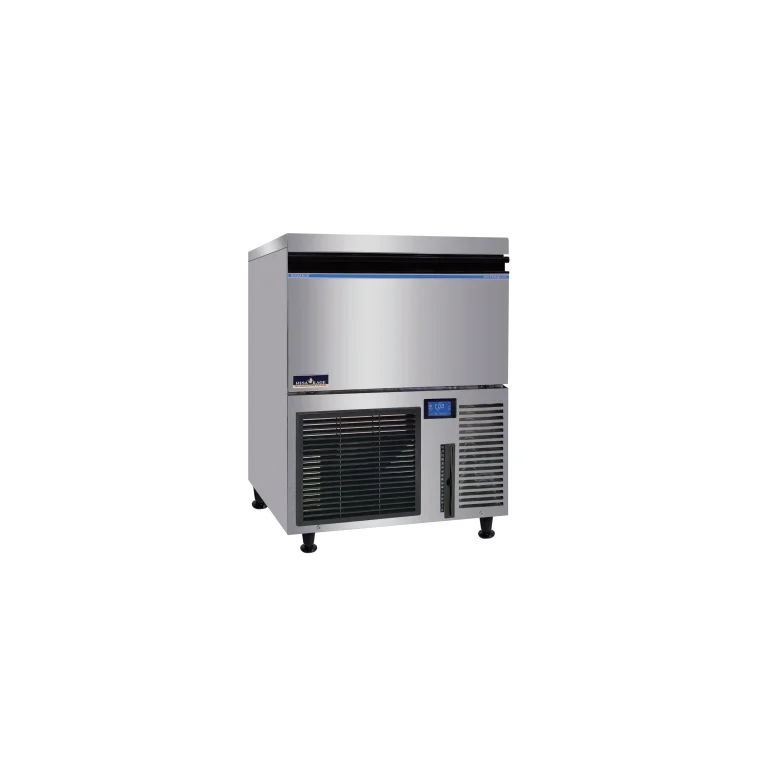
This guide explains the key factors you should evaluate before selecting a crescent-shaped ice maker for commercial use, and how manufacturers like HISAKAGE, a professional producer of commercial ice machines, refrigeration units, and display cabinets, design equipment to meet industrial-grade demands.
Why Crescent Ice Matters in Commercial Applications
Crescent-shaped ice is designed with a curved surface and flat side. This structure reduces sticking between ice pieces and improves airflow in storage bins. Compared with cube ice or irregular ice shapes, crescent ice offers several operational advantages:
-
Slower dilution rate due to compact thickness
-
Better cooling surface contact with beverages
-
Easier dispensing in high-volume environments
-
Reduced clogging in ice machines and dispensers
These characteristics make crescent ice especially suitable for beverage service industries where presentation and consistency matter as much as cooling performance.
Key Feature 1: Ice Production Capacity
One of the most important factors when selecting a crescent shaped ice maker is production capacity, usually measured in kilograms or pounds per 24 hours. Commercial operations should estimate peak daily demand rather than average usage.
For example:
-
Small cafés may require moderate output machines
-
Hotels and banquet facilities need high-capacity continuous production
-
Convenience stores require stable 24/7 ice supply
Underestimating capacity leads to supply shortages during peak hours, while oversized systems increase unnecessary energy consumption. Industrial manufacturers like HISAKAGE design scalable models that align with different business sizes, ensuring stable output without compromising efficiency.
Key Feature 2: Energy Efficiency and Operating Cost
Energy consumption is a critical cost factor in commercial refrigeration equipment. Modern crescent ice machines use optimized refrigeration cycles, high-efficiency compressors, and improved heat exchange systems to reduce power usage.
When evaluating machines, consider:
-
Compressor type and efficiency rating
-
Insulation quality of storage bins
-
Water usage efficiency
-
Defrosting system design
A well-designed machine can significantly reduce long-term operating costs, which is especially important for businesses running ice production continuously throughout the day.
Key Feature 3: Ice Consistency and Shape Stability
Ice quality directly affects customer experience. Crescent ice must maintain uniform thickness, smooth edges, and consistent freezing patterns. Poorly controlled freezing cycles can lead to irregular shapes, brittle ice, or excessive melting.
High-quality machines use precise temperature control systems and stable water distribution technology to ensure every batch of ice maintains the same structure. This is particularly important for branded beverage services where presentation consistency is part of the customer experience.
Key Feature 4: Durability and Commercial Build Quality
Unlike household appliances, commercial ice makers operate under continuous load. Durability is therefore essential. Key structural considerations include:
-
Stainless steel housing for corrosion resistance
-
Heavy-duty evaporators and compressors
-
Reinforced internal water circulation systems
-
Anti-scale and easy-clean design
Manufacturers such as HISAKAGE focus on industrial-grade construction standards to ensure equipment reliability in demanding environments such as restaurants, hotels, and large-scale catering kitchens.
Key Feature 5: Hygiene and Maintenance Design
Ice is a consumable product, making hygiene a top priority. Commercial ice machines should be designed for easy cleaning and minimal contamination risk.
Important hygiene features include:
-
Automatic cleaning cycles
-
Anti-bacterial water pathways
-
Removable internal components
-
Smooth interior surfaces to prevent scale buildup
Routine maintenance should also be simple enough to minimize downtime. Machines that are difficult to clean often lead to operational inefficiencies and potential health risks.
Key Feature 6: Storage Bin Capacity and Dispensing System
A crescent ice maker is not only about production but also storage and delivery. The storage bin must match production speed to avoid overflow or shortage issues.
Key considerations include:
-
Storage capacity aligned with peak demand
-
Insulated bin design to slow melting
-
Efficient dispensing mechanism for fast service
-
Compatibility with ice dispensers or beverage stations
In high-traffic environments, smooth dispensing can significantly improve service speed and customer satisfaction.
Key Feature 7: Water Quality Requirements
Water quality directly affects ice clarity, taste, and machine longevity. Hard water can cause scale buildup, reducing efficiency and increasing maintenance frequency.
A reliable commercial system should include:
-
Filtration compatibility
-
Scale control systems
-
Stable water flow regulation
Some advanced systems also integrate water quality monitoring to ensure consistent ice output.
Choosing the Right Manufacturer Matters
While technical features are important, manufacturer capability plays an equally critical role. A professional commercial refrigeration manufacturer ensures not only product performance but also long-term reliability, spare parts availability, and technical support.
HISAKAGE is one of the manufacturers specializing in commercial ice machines, refrigeration systems, and display equipment. Its focus on industrial applications ensures that crescent ice makers are designed for continuous operation, energy efficiency, and stable performance in demanding commercial environments rather than household use.
Conclusion
Selecting the right crescent shaped ice maker requires careful evaluation of production capacity, energy efficiency, ice quality, durability, hygiene design, and storage performance. Businesses should prioritize long-term operational stability over short-term cost savings.
For commercial users, investing in a well-engineered system from a professional manufacturer like HISAKAGE can significantly improve operational efficiency, reduce maintenance costs, and ensure consistent ice quality in daily operations. In competitive foodservice and hospitality environments, reliable ice production is not just equipment—it is part of the service experience.
www.hisakage.com
HISAKAGE REFRIGERATION EQUIPMENT CO.,LTD.
About Author

You may also like
-
OEKO-TEX Towel Safety: SEMAXE's Certified Bath Linen Focus
-
The Complete Guide to Choosing the Perfect Bath Towel: What Makes a Great Bath Towel and How to Find One
-
The Complete Guide to Choosing the Perfect Bath Towel: What Makes a Great Bath Towel and How to Find One
-
Best Rechargeable Portable Nebulizer Engineering Guide: Mesh Aerosol and MMAD Stability
-
RF Skin Tightening Machine: How Radiofrequency Supports Modern Skin Rejuvenation