
I. Policy “Starting Gun” Fires, Inevitable “Front-loaded Export” Surge in Q1
The central event driving the industry last week was undoubtedly the joint announcement by the Ministry of Finance and the State Taxation Administration on January 9th. It explicitly stated that the VAT export rebate for mainstream PV products, including silicon wafers, cells, and modules, will be completely canceled starting April 1, 2026. This move, following a previous reduction from 13% to 9% at the end of 2024, represents a second major adjustment in just over a year, with its thoroughness exceeding market expectations.
The roughly three-month window before the policy takes effect has directly triggered a powerful “front-loaded export” effect. Analysts widely predict that to lock in profits before a significant cost increase, manufacturers will concentrate a substantial portion of their 2026 export orders into the first quarter. Chen Jiahui, a PV analyst at SMM, estimates that Q1 battery and module exports could potentially double. This concentrated shipping spree has disrupted normal production schedules—leading to chaotic scenarios where production lines hastily recall workers—and also poses severe challenges to global shipping logistics and overseas warehousing capacities.
The China Photovoltaic Industry Association (CPIA) has previously pointed out that some companies effectively used the rebate amount as a bargaining chip, resulting in a situation where “Chinese fiscal subsidies were passed to overseas end-buyers.” This not only eroded their own profits but also increased the risk of international trade friction. Therefore, the long-term objective of this policy exit is clear: to force China's PV industry to transition from competing on “volume and price” to a high-quality development path centered on technological innovation, product differentiation, and brand value.
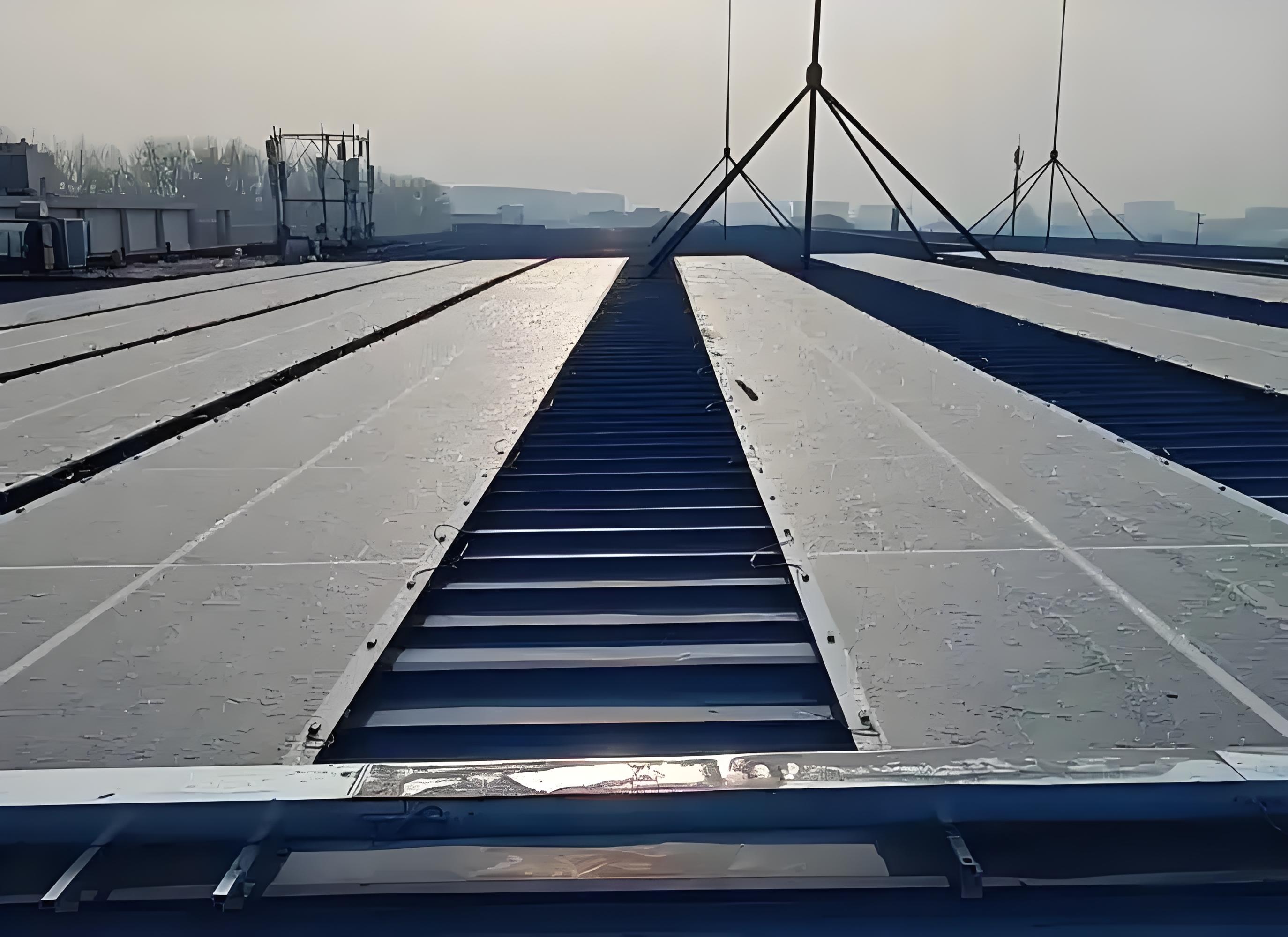
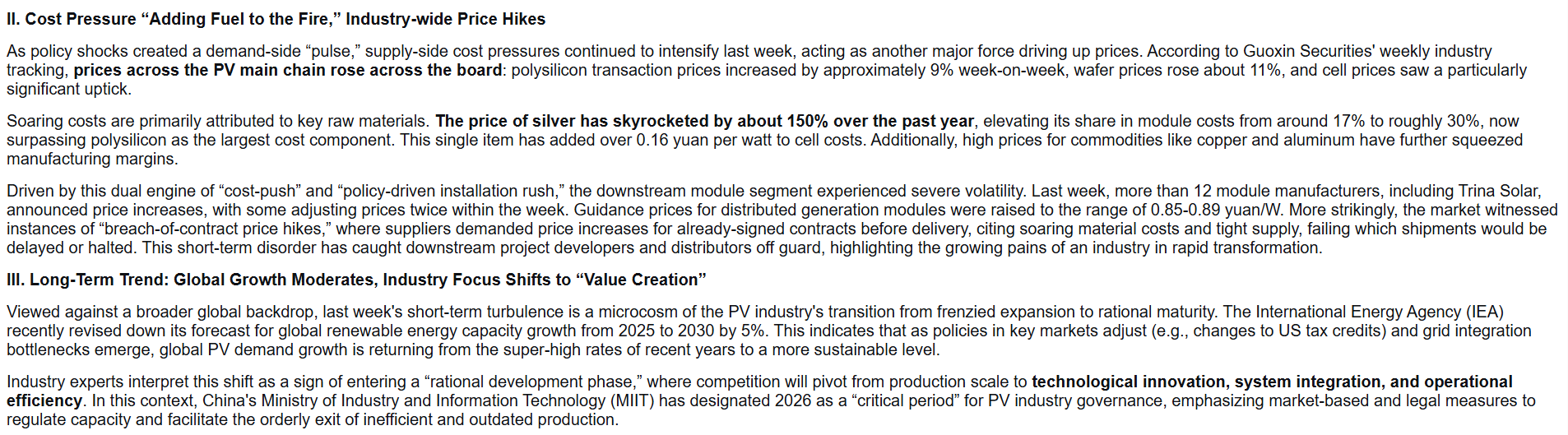
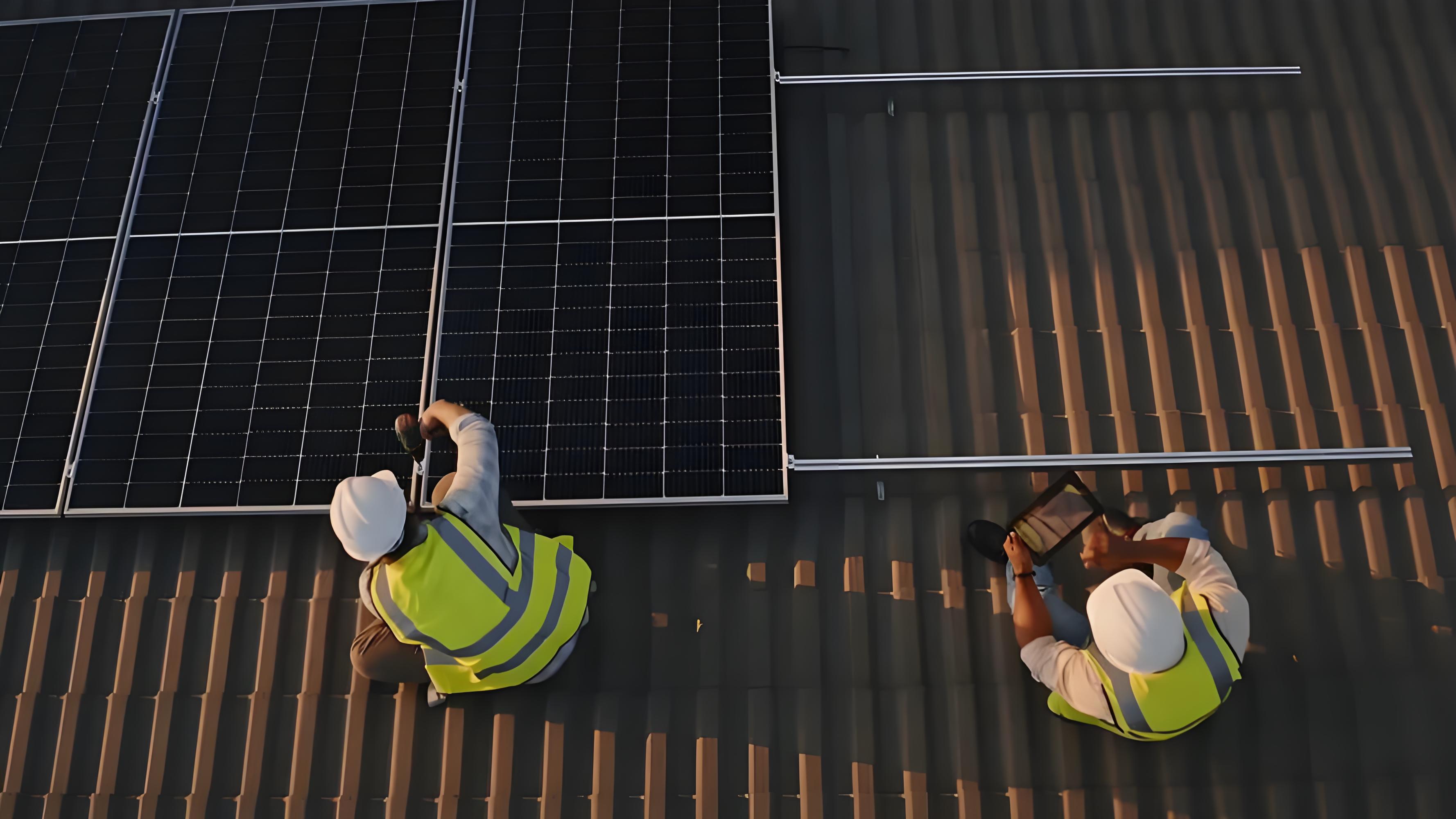
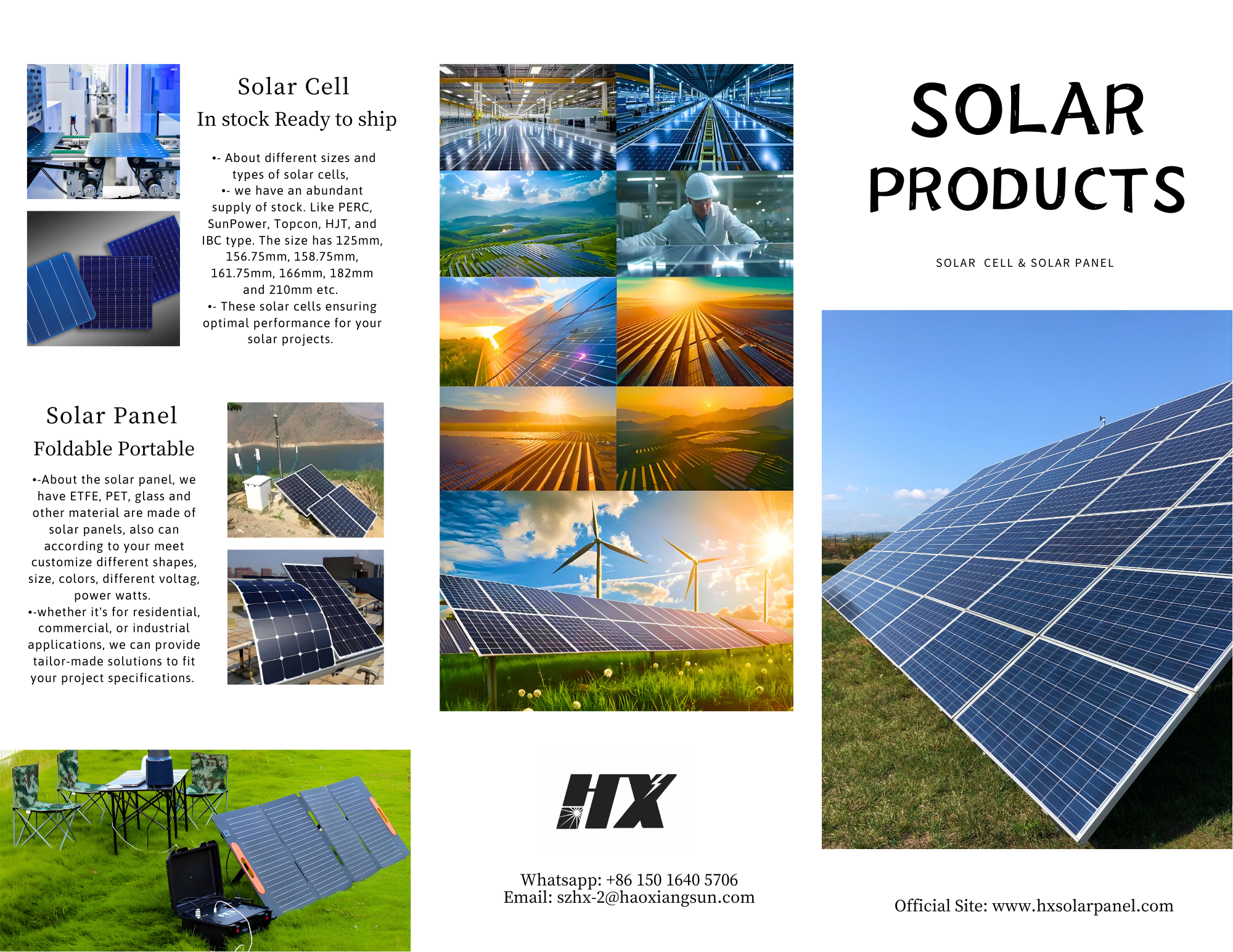
For companies like Shenzhen Shi Haoxiang Solar, which specializes in high-efficiency cells and customized modules, this turning point presents both challenges and opportunities. In the short term, rising export costs and raw material volatility are universal pressures. However, in the long run, the policy-driven “elimination of inferior capacity” and the market's increasing focus on “high-efficiency, differentiated” products will create a broader development space for enterprises with core technology, flexible manufacturing capabilities, and reliable quality systems. Suppliers focused on advanced technology routes like PERC, TOPCon, HJT, and IBC, and capable of providing flexible customized solutions, will be better positioned to meet the global market's dual pursuit of “cost reduction & efficiency gain” and “application innovation” in the post-subsidy era.
Conclusion:
The week of January 2026, marked by the cancellation of the export rebate, signifies the Chinese PV industry's official embarkation on a transformative journey—moving away from fiscal “transfusions” towards strengthening its own “hematopoietic” capacity. Short-term pain is inevitable, and a profound industry reshuffle is accelerating. Yet, beyond the storm, a healthier industrial ecosystem—one more focused on long-term value, technological innovation, and deep integration with the global energy system—awaits, and is worthy of anticipation by all industry participants.

Website: www.hxsolarpanel.com
www.hxsolarpanel.com
Shenzhen Shi Haoxiang Solar Battery Co., Ltd
About Author

You may also like
-
Lucky Star Energy Group Unveils Cutting-Edge Swimming Pool Robot Revolutionizing Maintenance Efficiency
-
TargetMol Star Molecule—N-Ethylmaleimide (Catalog No. T3088, CAS 128-53-0): A “Broad-Spectrum Switch” for Deubiquitinase Research, from Cell Lysates to Live-Cell Applications
-
Lucky Star Energy Group Unveils Cutting-Edge Battery Box Technology for Renewable Future
-
How the Pytes HV48300 MAX Can Be Configured for Different Energy Storage Projects
-
Why Adhesive Bond Line Thickness Matters in Industrial Assembly