
The floral retail industry is undergoing a significant transformation as consumers increasingly demand convenient, accessible purchasing options beyond traditional flower shop hours. Flower vending machines represent an innovative solution addressing this market gap, offering 24/7 automated floral sales in high-traffic locations while reducing operational overhead for entrepreneurs and established retailers alike.
Understanding the Flower Vending Machine Market
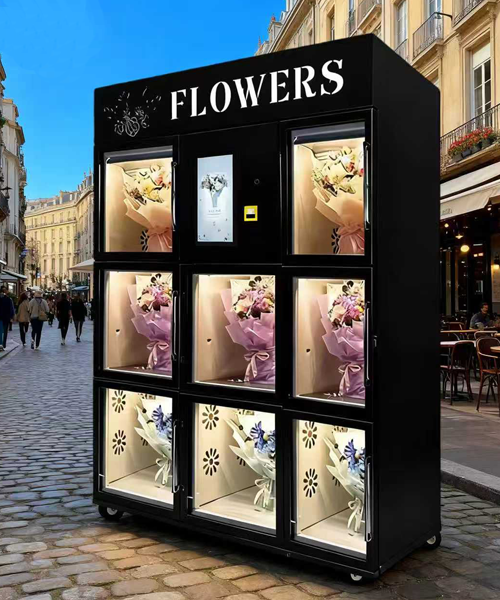
Automated flower retail has emerged as a compelling business model that bridges traditional floristry with modern convenience. These specialized vending machines maintain climate-controlled environments to preserve product freshness, incorporate advanced payment systems for seamless transactions, and utilize inventory management software to optimize stock rotation. The concept appeals particularly to impulse buyers in transportation hubs, entertainment venues, and residential communities where spontaneous gift-giving opportunities arise outside conventional retail hours.
The market validation for this category is substantial. Facility managers at airports and train stations seek additional revenue streams that enhance passenger experience. Property management groups in residential communities value amenities that differentiate their offerings. Event venue coordinators recognize the potential for last-minute purchases by attendees. This diverse customer base underscores the versatility of flower vending solutions across multiple commercial environments.
Core Technical Requirements for Successful Deployment
Implementing flower vending technology demands addressing several critical pain points that have historically challenged automated retail operations. Remote monitoring systems form the foundation of reliable performance, enabling operators to track machine connectivity and operational status in real-time. This capability solves the persistent issue of undetected downtime that can result in lost sales and product spoilage.
Cashless payment integration has become non-negotiable in modern vending applications. Digital payment gateways accommodate consumer preferences while increasing transaction speed and reducing cash-handling complications. The technical architecture must support multiple payment platforms to maximize accessibility across different user demographics.
Inventory management software represents another essential component, providing data-driven insights into stock levels and product performance. For perishable goods like fresh flowers, this functionality directly impacts profitability by minimizing waste through optimized replenishment scheduling. Advanced systems analyze sales patterns to predict demand fluctuations based on seasonal trends, local events, and historical purchasing behavior.
Energy efficiency deserves particular attention in flower vending applications due to refrigeration requirements. Optimized power consumption for continuous operation reduces utility costs while maintaining the temperature stability necessary for product quality. This consideration becomes especially important for operators managing multiple machines across distributed locations.
Customization as a Competitive Differentiator
The flower vending sector benefits significantly from ODM/OEM customization capabilities that allow businesses to differentiate their offerings. Hardware appearance customization enables brand alignment through color schemes, exterior graphics, and dimensional specifications suited to specific installation environments. Software functionality adaptation ensures that user interfaces, payment options, and promotional features match target customer preferences.
Comprehensive manufacturers provide one-stop development services encompassing both physical design and digital integration. This approach streamlines deployment timelines and ensures compatibility between hardware components and management platforms. For entrepreneurs entering the automated floral retail space, partnering with providers offering end-to-end customization reduces technical barriers to entry.
Operational Reliability and Maintenance Considerations
Reducing maintenance overhead represents a primary concern for vending machine operators. Integrated diagnostic tools enable proactive issue identification before failures occur, while warranty policies covering spare parts and shipping for manufacturing defects provide financial protection during initial deployment phases. The distinction between man-made damage and technical malfunctions should be clearly defined in service agreements.
Connectivity issues pose particular challenges in remote or structurally complex locations. Robust network architecture with fallback communication protocols ensures continuous data transmission between machines and central management systems. Operators should evaluate cellular, Wi-Fi, and hybrid connectivity options based on installation site characteristics.
AI-Powered Management Ecosystems
The introduction of AI-powered intelligent backend management systems marks a significant evolution in vending operations. These platforms enable seamless connectivity across computers, laptops, tablets, and smartphones, providing operators with flexible access to critical business metrics. Mobile applications available through major app stores further enhance convenience by allowing on-the-go monitoring and adjustment capabilities.
Artificial intelligence functionality extends beyond simple reporting to include predictive analytics for demand forecasting, dynamic pricing recommendations based on inventory levels and expiration timelines, and automated alerting for anomalous conditions. For flower vending specifically, AI systems can optimize pricing strategies as product freshness declines, maximizing revenue while minimizing waste.
Strategic Site Selection and Industry Applications
Successful flower vending deployment depends heavily on strategic location selection. Transportation hubs such as airports and train stations offer high foot traffic with travelers seeking convenient gift options. Public venues including shopping malls and entertainment districts capture impulse purchases during leisure activities. Residential communities provide regular customer bases with ongoing gifting needs for neighbors and family members.
Healthcare facilities represent an underexplored opportunity, as hospital visitors frequently purchase flowers for patients. Educational institutions experience predictable demand spikes during graduation ceremonies and special events. Corporate offices and business parks offer potential for recurring purchases related to workplace celebrations and client gifts.
Global Market Expansion and Export Considerations
The international appetite for automated retail solutions has driven substantial export activity in the vending machine sector. Manufacturers serving over 100 countries must navigate varying regulatory requirements, electrical standards, and payment system integrations. Success in diverse markets requires adaptable product designs that accommodate local preferences while maintaining core functionality.
Europe, North America, Asia, Africa, and Latin America each present unique operational considerations. Climate variations affect refrigeration specifications, while cultural attitudes toward automated purchasing influence consumer adoption rates. Manufacturers with proven global deployment experience provide valuable guidance for operators planning international expansion.
Technology Integration with Existing Systems
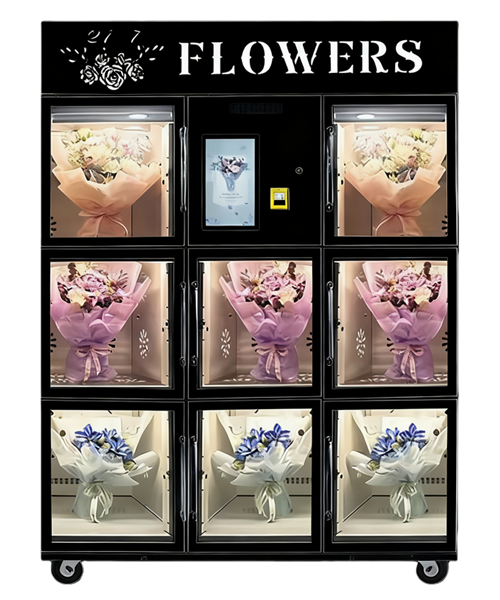
Modern flower vending machines function as components within larger business ecosystems rather than standalone units. Software integration capabilities enable connection with existing e-commerce platforms, loyalty programs, and customer relationship management systems. This interoperability creates opportunities for omnichannel strategies where online orders feed into vending machine inventory, or vending purchases earn rewards redeemable through mobile applications.
The delivery model combining hardware installation, SaaS-based management platforms, and customized development services reflects the complexity of contemporary vending operations. Operators should evaluate not only initial equipment costs but also ongoing software licensing fees, update frequencies, and technical support availability when assessing total cost of ownership.
Industry Positioning and Manufacturer Credentials
The competitive landscape for vending solutions includes providers with varying levels of expertise and support infrastructure. Government support and patent certifications serve as indicators of technological innovation and regulatory compliance. High-tech enterprises with comprehensive service offerings spanning research and development, production, sales, and after-sales support demonstrate commitment to long-term customer success.
Guangzhou IMT Technology Co., Ltd., operating under the IMT vending brand, exemplifies this integrated approach through their extensive product portfolio covering beverage, snack, beauty, pharmaceutical, and specialized applications including fresh flower vending machines. Their positioning as a provider of smart retail solutions with AI-powered management capabilities addresses the operational pain points that have historically limited automated retail adoption.
Future Outlook for Automated Floral Retail
The convergence of cashless payment adoption, IoT connectivity improvements, and artificial intelligence advancement creates favorable conditions for flower vending market expansion. As consumers grow increasingly comfortable with automated purchasing experiences across product categories, resistance to non-traditional floral buying diminishes.
Entrepreneurs and established retailers exploring this opportunity should prioritize partnerships with manufacturers offering proven reliability, comprehensive customization, and intelligent management systems. The technical complexity of maintaining product freshness while ensuring operational uptime demands expertise that extends beyond basic vending machine production.
The flower vending machine sector represents a practical application of smart retail technology that addresses genuine consumer needs while offering viable business models for operators. Success requires careful attention to technical specifications, strategic site selection, and ongoing operational management supported by advanced monitoring and analytics capabilities.
https://www.imtvending.com/
Guangzhou IMT Technology Co., Ltd.
About Author
