
The construction industry is experiencing a paradigm shift as modular container houses emerge as the preferred solution for diverse spatial needs. From temporary construction site offices to luxury resort accommodations, these innovative structures are redefining how we think about building efficiency, sustainability, and design flexibility.
Understanding the Modular Container House Revolution
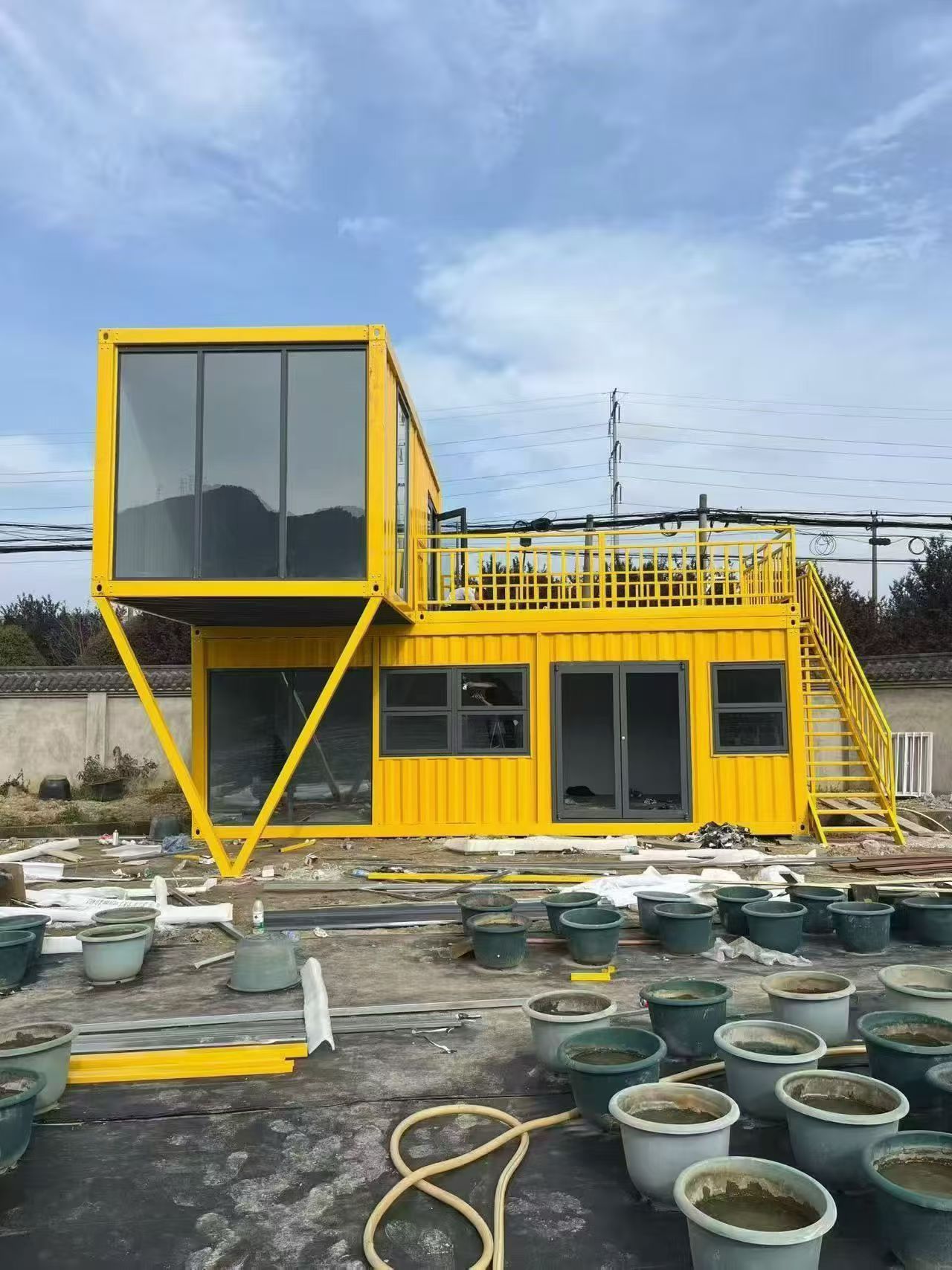
Modular container houses represent a fundamental departure from traditional construction methods. Unlike conventional buildings that require months of on-site labor, these prefabricated structures arrive ready for immediate deployment, dramatically reducing project timelines and costs. The technology combines factory-level quality control with rapid on-site installation, creating a solution that addresses multiple pain points in modern construction.
The market has responded enthusiastically to these innovations. Construction firms report significant cost savings through reduced labor requirements and accelerated project completion schedules. Tourism operators have discovered new revenue streams by deploying aesthetically superior modular units in previously inaccessible locations. Municipal governments leverage these structures for emergency response and temporary public services, while industrial facilities utilize specialized variants for cleanroom and controlled-environment applications.
Technical Excellence Driving Market Adoption
The engineering sophistication behind modern modular container solutions distinguishes premium offerings from basic alternatives. Advanced designs feature welded steel frame structures with vertical columns that provide superior rigidity compared to standard assembly models. This structural integrity enables multi-story stacking capabilities, with units supporting 2-3 story configurations for dormitories, offices, and commercial applications.
Thermal performance represents another critical differentiator. High-grade units incorporate rock wool or glass wool sandwich panels with dedicated sealing strips, achieving insulation standards that rival traditional buildings. The integration of A-grade fireproof core materials ensures safety compliance across residential, commercial, and industrial applications. These technical specifications directly address user concerns about comfort, durability, and regulatory compliance.
The prefabrication advantage extends beyond structural elements. Factory installation of plumbing, electrical systems, HVAC, and interior finishes ensures consistent quality while eliminating weather-related delays and on-site coordination challenges. This approach reduces construction waste to near-zero levels, supporting environmental sustainability goals increasingly prioritized by corporate and government clients.
Deployment Speed Redefining Project Economics
Time-to-occupancy remains the most compelling value proposition for modular container houses. Case studies demonstrate that 2-3 personnel can complete installation of quick-assemble units within half a day, compared to weeks required for equivalent traditional structures. This efficiency translates directly into cost savings through reduced labor expenses, shortened equipment rental periods, and faster revenue generation for commercial applications.
Foldable container designs have revolutionized logistics economics. Z-fold configurations reduce transport volume by over 70%, enabling significantly more units per shipping container or truck load. This innovation particularly benefits projects requiring long-distance transportation or frequent relocation. Users report that the one-minute deployment capability of advanced folding designs eliminates the need for specialized tools or skilled labor, making these solutions accessible even in remote locations with limited infrastructure.
The X-fold structure, which operates like wings folding inward, offers the fastest deployment speed in the category. Its "open and use" capability requires zero board splicing or bolt tightening, making it ideal for leasing operations, emergency response scenarios, and temporary commercial installations where speed determines profitability.
Versatility Across Industry Applications
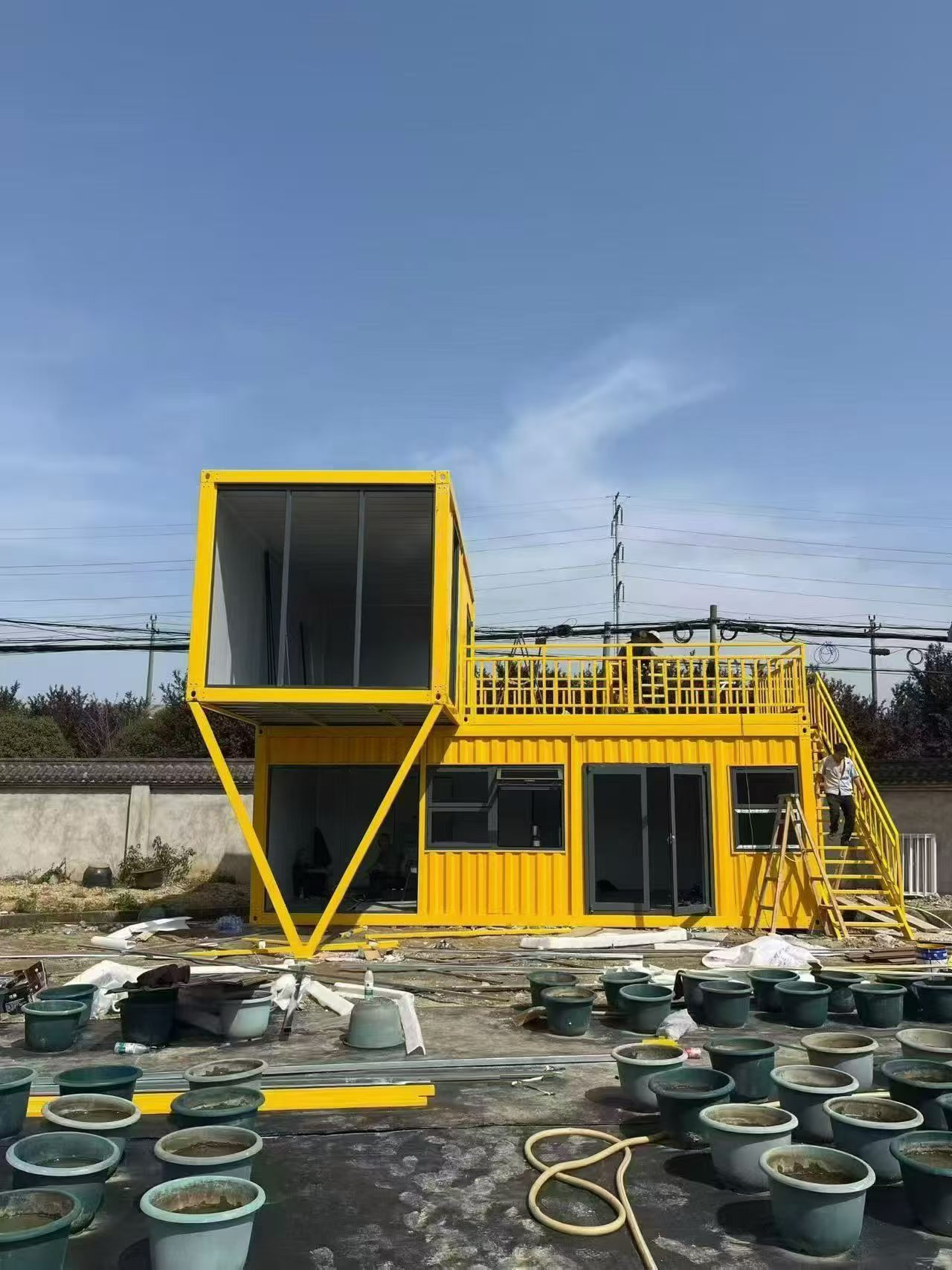
Market validation demonstrates the remarkable adaptability of modular container solutions across diverse sectors. Construction and engineering firms utilize these structures for project site offices and worker dormitories, appreciating the high salvage value that enables cost recovery through repeated relocation to subsequent projects.
The tourism and hospitality sector has embraced premium variants like the Apple Cabin, which features panoramic floor-to-ceiling glass for immersive viewing experiences. This ready-to-use design arrives as a fully fitted unit requiring no on-site assembly, making it particularly attractive for resort operators seeking to minimize site disturbance while maximizing aesthetic impact. The distinctive arc-shaped architecture creates the "viral appeal" that drives social media engagement and booking rates for boutique hotels and eco-lodges.
Industrial applications demand specialized solutions, and high-density fireproof wall materials with cleanroom standards have captured significant market share in electronics manufacturing, pharmaceutical production, and food processing facilities. These systems provide dust-free, anti-static, antimicrobial surfaces that meet strict sanitation requirements while supporting rapid facility expansion or reconfiguration.
Municipal and government clients value the flexibility for emergency response and temporary public services. The rapid setup capability of barrier hoarding systems, for example, enables one-day installation of professional-grade construction site perimeters that are reusable across multiple projects, offering superior economics compared to traditional brick or mortar fences.
Design Flexibility Meeting Custom Requirements
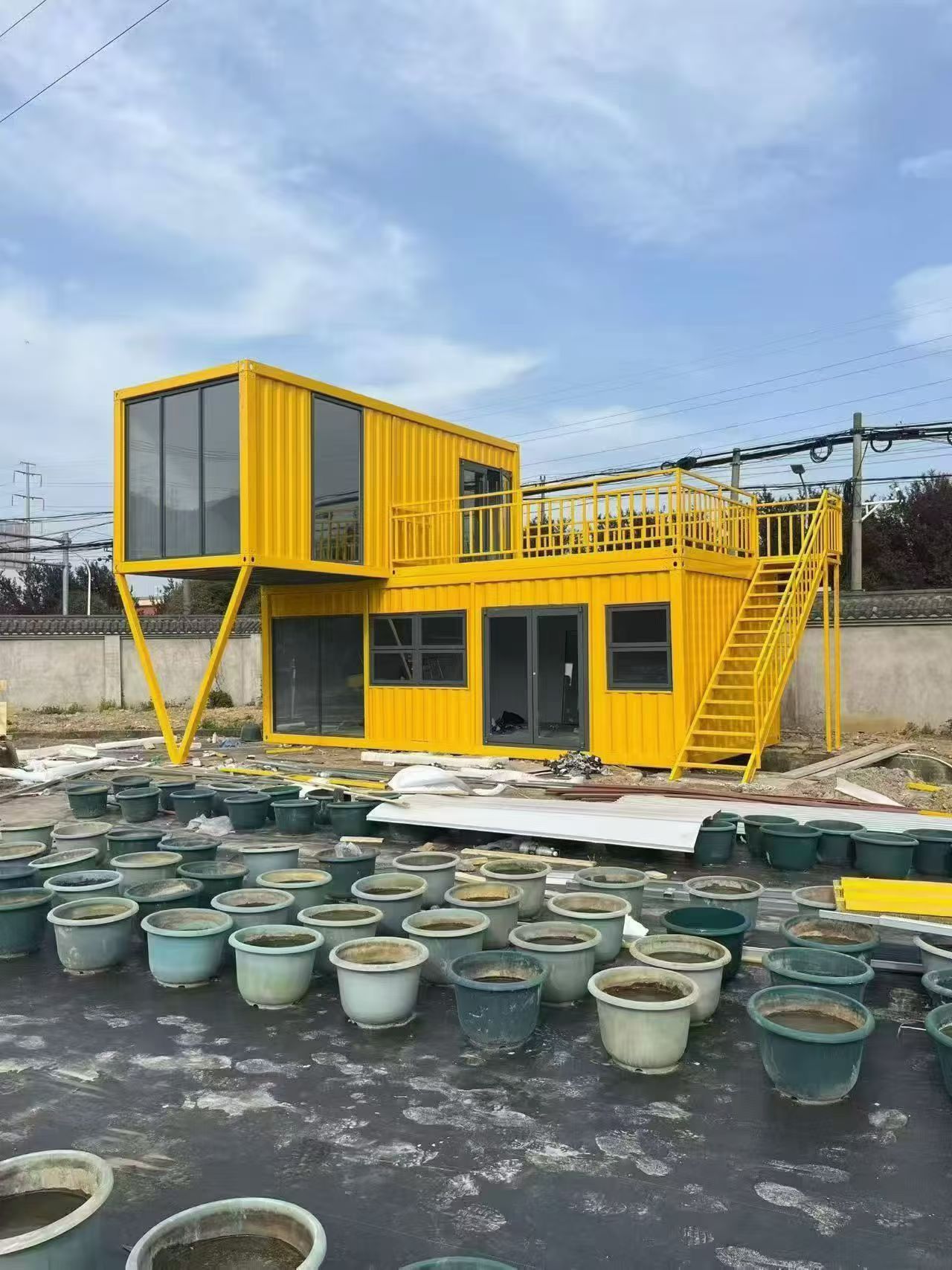
The ability to tailor dimensions, material specifications, interior layouts, and aesthetic finishes addresses a critical market need for customization without sacrificing the efficiency benefits of prefabrication. Modular container office rooms exemplify this capability, offering Lego-like flexibility that supports complex combinations including stacking, connecting, and expanding configurations.
This architectural superiority enables permanent or semi-permanent installations that rival traditional construction in both functionality and appearance. High-end finishing options include decorative facades with curtain walls, wood grain treatments, and grid patterns that align with corporate branding requirements. The factory integration of interior fit-out including air conditioning, bathrooms, and furniture ensures consistent quality while maintaining schedule certainty.
Sustainability Credentials Driving Adoption
Environmental considerations increasingly influence procurement decisions, and modular construction solutions deliver measurable sustainability benefits. The promotion of dry-construction methods eliminates water consumption and site contamination issues associated with concrete work. High material recyclability supports circular economy principles, while the ability to relocate and reuse structures multiple times dramatically reduces lifecycle environmental impact.
The reduction in construction waste represents perhaps the most immediate sustainability benefit. Traditional construction generates significant debris requiring disposal, while factory prefabrication enables precise material utilization and recycling of manufacturing scrap. Projects report achieving zero on-site construction waste, a compelling credential for organizations with environmental performance commitments.
Market Position and Industry Leadership
The comprehensive portfolio spanning from economical quick-assemble units to premium expandable homestay rooms demonstrates a strategic understanding of diverse market segments. This full-spectrum capability enables solutions for price-sensitive temporary applications while also serving luxury hospitality clients demanding architectural distinction and premium finishes.
The emphasis on structural durability through cold-bent galvanized steel frameworks addresses long-term value concerns. Users report that rust resistance and weather readiness minimize maintenance requirements while extending useful life beyond initial project needs. This durability, combined with stackable storage capabilities for folding variants, optimizes total cost of ownership for leasing businesses and frequent users.
Future-Ready Construction Methodology
The convergence of efficiency, sustainability, and design flexibility positions modular container houses as the preferred solution for an expanding range of applications. As labor costs rise and project timelines compress, the economic advantages of factory prefabrication become increasingly decisive. Regulatory trends favoring sustainable construction methods further accelerate adoption across commercial, industrial, and government sectors.
The technology has matured beyond temporary or utilitarian applications to enable architecturally sophisticated permanent structures. This evolution expands addressable markets while validating the fundamental superiority of integrated prefabricated space solutions over traditional on-site construction for many use cases.
Organizations evaluating construction options increasingly recognize that modular container systems offer not merely cost reduction, but strategic advantages in deployment speed, operational flexibility, and environmental performance. These multidimensional benefits explain the technology's rapid market penetration across diverse industries and geographies, establishing prefabricated modular construction as the methodology defining future building practices.
www.safetycontainer.com
Suzhou Guxin Steel Structure Co., Ltd
About Author

You may also like
-
Why UV Resistance Matters for Exposed Roof Waterproofing
-
FIPP Thermoplastic Forming vs Traditional Forming Methods: Key Differences in Production
-
PVDF ACP Exterior Panels: 0.40mm Skin, REACH Ready
-
2026 Top 5 Expandable Container Room Brands for Thailand
-
Top 7 Chinese Manufacturers for Custom Profiles Led by Tai'an Aluminum