
In modern construction and industrial engineering, the choice of floor drainage solutions is critical to ensure long-term reliability, corrosion resistance, and structural safety. Among available options, stainless steel floor drain grates round offer unparalleled durability, precise load-bearing capabilities, and consistent performance in both commercial and industrial settings.
This article provides a technical, industrial-focused overview of stainless steel round floor drain grates, examining their material advantages, manufacturing techniques, surface finishing, load capacity, corrosion resistance, and practical applications. The content is designed for procurement specialists, project engineers, and facility managers, highlighting decision-critical factors that influence product selection and long-term operational efficiency.
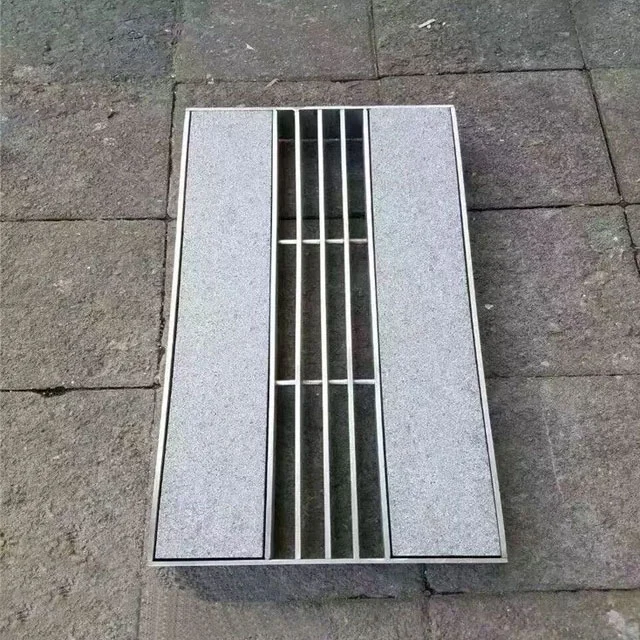
1. Material Advantages of Stainless Steel
Stainless steel is the preferred material for high-performance floor drain grates due to several key industrial properties:
1.1 Corrosion Resistance
-
Stainless steel offers superior resistance to oxidation and chemical corrosion, critical in wet environments.
-
Grades such as 304 and 316 stainless steel provide long-term durability, even in exposure to chlorinated water, cleaning agents, or industrial fluids.
-
Life expectancy often exceeds 20 years in typical commercial and industrial applications, reducing replacement and maintenance costs.
1.2 Structural Strength
-
Stainless steel combines high tensile strength with ductility, supporting heavy loads without deformation.
-
Load-bearing tests indicate that properly engineered grates can sustain uniform distributed loads exceeding 500–800 kg, depending on thickness and grate design.
1.3 Hygiene and Safety
-
Non-porous stainless steel surfaces resist bacterial growth, critical in food service, healthcare, and laboratory settings.
-
Smooth finishes minimize debris accumulation, facilitating easy cleaning and maintenance.
2. Manufacturing Techniques: Aluminum Gravity Casting and Surface Finishing
While stainless steel forms the structural backbone, aluminum gravity casting is often employed in grate molds to enhance dimensional accuracy and surface finish consistency.
2.1 Gravity Casting Precision
-
Gravity casting ensures uniform wall thickness and precise slot alignment, which is essential for load distribution and liquid drainage efficiency.
-
Reduces internal stress and microstructural defects, supporting long-term mechanical reliability.
2.2 Surface Finishing
-
Polishing, brushing, and passivation treatments improve both aesthetic and functional performance.
-
Brushed surfaces reduce slipperiness while maintaining corrosion resistance.
-
Polished surfaces provide minimal flow resistance, improving water drainage speed and preventing stagnation.
3. Technical Parameters and Performance Metrics
| Parameter | Typical Value | Industry Standard |
|---|---|---|
| Material Grade | 304 / 316 Stainless Steel | ASTM A240 |
| Thickness | 3–6 mm | ISO 1083 |
| Slot Width | 4–8 mm | EN 1253-1 |
| Load Capacity | 500–800 kg (distributed) | EN 1433 |
| Corrosion Resistance | >20 years | ASTM B117 Salt Spray Test |
| Surface Finish | Brushed / Polished | Ra 0.4–0.8 μm |
These metrics allow procurement and engineering teams to directly evaluate performance against project specifications and operational requirements.
4. Load-Bearing and Structural Considerations
For industrial and commercial environments, load-bearing performance is critical:
-
Uniform load capacity ensures that grates do not deform under foot or equipment traffic.
-
Point load tolerance is essential in areas with heavy wheeled machinery or carts.
-
Stainless steel grates outperform cast iron or plastic grates in both load capacity and durability, particularly in environments with high mechanical stress.
5. Corrosion Resistance and Long-Term Durability
-
Stainless steel resists oxidation, chemical attack, and pitting, even in harsh conditions such as swimming pools, laboratories, and food-processing areas.
-
Passivation and surface finishing techniques further extend longevity, maintaining performance over decades.
-
Cost-benefit analysis demonstrates reduced maintenance frequency and replacement costs compared to traditional cast iron or galvanized steel alternatives.
6. Applications Across Multiple Scenarios
Stainless steel floor drain grates round are widely used in:
-
Commercial kitchens and restaurants: High hygiene and corrosion resistance
-
Industrial workshops and factories: Heavy-duty load-bearing and chemical exposure
-
Public facilities and pedestrian areas: Safety, durability, and aesthetic integration
-
Residential and multi-unit buildings: Long-term reliability and minimal maintenance
The versatility of stainless steel grates ensures consistent performance across varied operational environments, reducing project risk.
7. Comparative Analysis: Stainless Steel vs Alternatives
| Feature | Plastic Grates | Cast Iron Grates | Stainless Steel Grates |
|---|---|---|---|
| Load Capacity | Low | Medium | High |
| Corrosion Resistance | Low | Moderate | High |
| Maintenance | Frequent | Occasional | Minimal |
| Hygiene | Poor | Moderate | Excellent |
| Lifecycle Cost | High (due to replacements) | Medium | Low (long lifespan) |
This comparative assessment highlights why stainless steel is the optimal choice for professional and industrial applications, balancing performance, cost, and longevity.
8. Installation and Maintenance Considerations
-
Modular design allows for rapid replacement or upgrading without disrupting drainage systems.
-
Surface alignment ensures proper drainage efficiency and minimizes standing water.
-
Regular cleaning is simplified due to smooth, non-porous surfaces, preventing debris accumulation and microbial growth.
9. Decision-Friendly Summary for Procurement and Engineering
Key takeaways for selecting stainless steel floor drain grates round:
-
Material Performance: Stainless steel ensures long-term corrosion resistance, structural strength, and hygiene.
-
Load and Durability: Supports industrial and commercial traffic loads with minimal deformation.
-
Cost Efficiency: Longer lifecycle reduces replacement and maintenance costs.
-
Application Versatility: Suitable for multiple scenarios, from residential to heavy industrial use.
For procurement managers, engineers, and project planners, investing in high-quality stainless steel grates ensures reliable drainage performance, reduced operational risks, and superior ROI.
10. Conclusion
Stainless steel floor drain grates round provide industrial-grade durability, corrosion resistance, and operational versatility, making them a smart choice for projects demanding long-term reliability and safety. By combining precise engineering, advanced surface finishing, and robust material selection, these grates deliver measurable value in commercial, industrial, and residential applications.
Shandong New Line Import and Export Co., LTD offers customized solutions tailored to specific project requirements, ensuring consistent performance, durability, and safety for clients worldwide.
www.cnnewline.com
Shandong New Line Import and Export Co., LTD
About Author

You may also like
-
PTJ Metal Unveils Cost-Effective Glass Clamps: A Game Changer in Market Trends
-
Container House Manufacturer China: Why Flat-Pack Units Improve Modular Construction
-
2026 Top 5 Seismic Rated Anchor Brands Trusted in Asia
-
Fengcai Highlights K11 Polymer Cement Waterproofing Slurry for Construction Projects
-
Exterior HPL Compact Laminate for Extreme Heat Resistance