
When it comes to container toilet manufacturers, the market offers various options, but not all solutions deliver the same level of quality, efficiency, and long-term value. As public sanitation demands evolve across construction sites, scenic areas, municipal spaces, and event venues, understanding what separates premium modular container toilet solutions from basic alternatives becomes critical for project success.
Understanding Container Toilet Technology
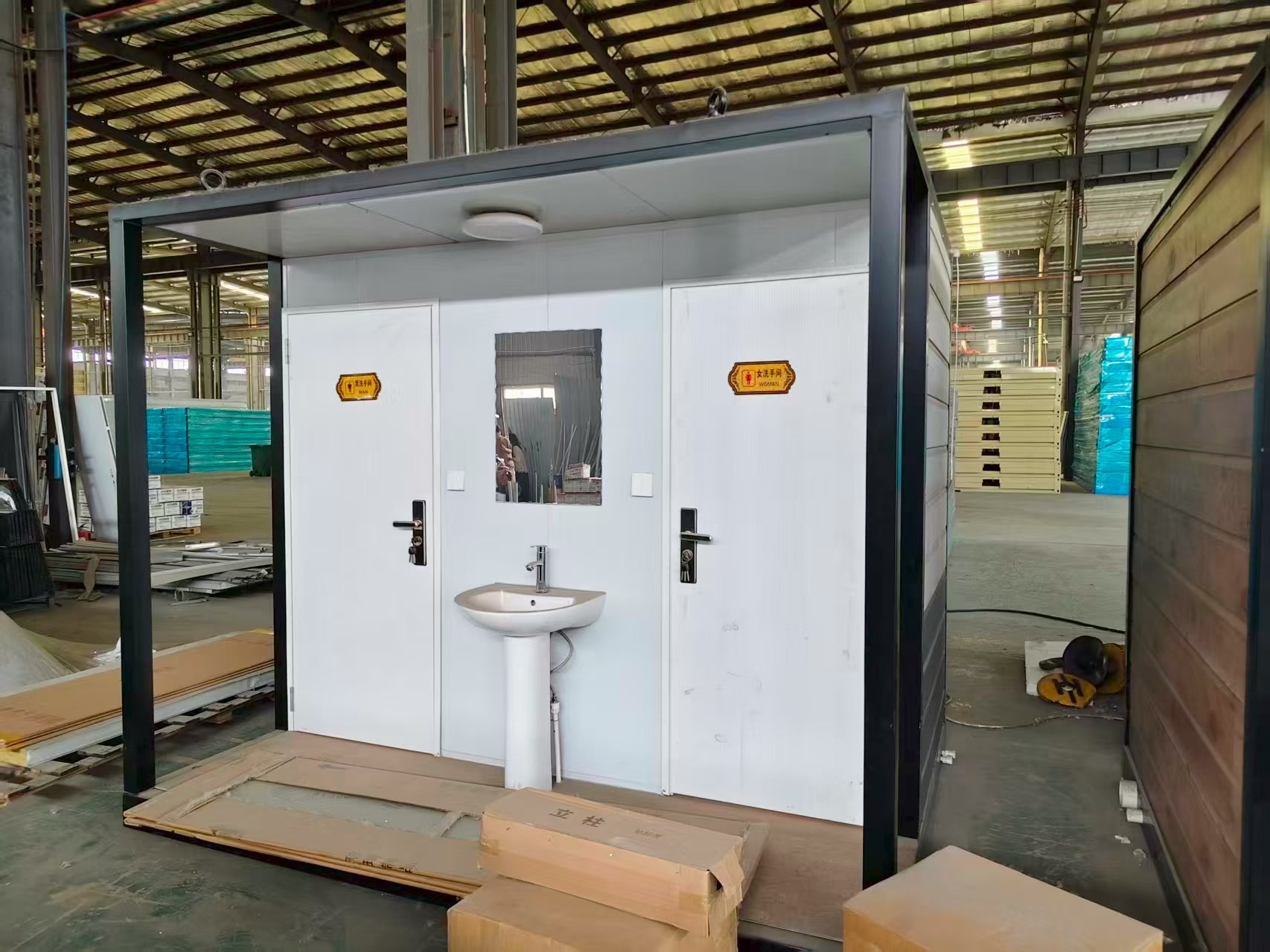
Container toilets represent a revolutionary approach to public sanitation infrastructure. Unlike traditional civil engineering projects that require extensive construction periods and permanent site modifications, modular container toilet systems utilize prefabricated steel structures based on optimized shipping container designs. This engineering approach transforms public restroom deployment from a months-long construction project into a rapid two-hour installation process.
The core technology behind advanced container toilet solutions involves integrated steel structure welding molding combined with standardized factory prefabrication. Quality manufacturers employ thickened galvanized steel frames with anti-corrosion spraying processes that enable structures to withstand Level 8 winds and heavy snow loads while delivering 15-20 years of service life. This durability standard significantly exceeds the performance of simple plastic or basic steel mobile toilets commonly found in temporary applications.
Key Differentiation Factors in Container Toilet Manufacturing
Structural Engineering and Longevity
Premium container toilet manufacturers distinguish themselves through structural integrity. The difference between a high-quality solution and a basic unit becomes evident in construction methodology. Leading manufacturers utilize industrial-standard accessories and seamless structural designs that ensure low failure rates and minimal maintenance requirements over decades of operation.
The modular prefabrication approach eliminates onsite construction complexity entirely. By completing structure assembly, interior decoration, sanitary ware installation, electrical wiring, and ventilation-drainage systems within controlled factory environments, manufacturers deliver plug-and-play facilities that require only lifting and utility connection at deployment sites.
Deployment Speed and Site Impact
Traditional public toilet construction typically requires 30-60 days with significant civil engineering costs, ground excavation, foundation work, and environmental disruption. In contrast, advanced modular container toilet solutions achieve 90% reduction in installation cycles, enabling complete deployment within 2 hours of delivery with zero civil engineering and zero site damage.
This dramatic efficiency enhancement transforms project timelines across multiple scenarios. Construction sites achieve immediate compliance with civilized construction standards. Scenic spot operators upgrade facilities without landscape damage. Municipal departments complete urban improvement initiatives in days rather than months.
Environmental Compliance and Sewage Management
Superior container toilet manufacturers address environmental restrictions through multiple sewage solution options. Advanced systems support municipal grid connection, dung tank collection, microbial degradation systems, and vacuum sewage technology depending on site conditions and environmental requirements.
Microbial degradation systems enable off-grid operation in remote locations while maintaining environmental protection standards. Vacuum sewage technology delivers significant water conservation compared to conventional flush systems. These flexible sewage management capabilities ensure compliance with Grade A scenic spot requirements and municipal environmental protection standards across diverse deployment environments.
Intelligent Features and User Experience
Modern container toilet solutions incorporate intelligent control systems that elevate the public sanitation experience. Fresh air ventilation systems with deodorization controls eliminate traditional odor problems. Sensing flush technology improves hygiene while conserving water. Advanced units integrate Face Recognition systems and fault warning capabilities that enable proactive maintenance and enhanced security.
The low maintenance design philosophy reduces operational burden through industrial-grade components and easy-to-clean seamless surfaces. Facility managers report significantly lower operational thresholds and maintenance costs compared to traditional restroom infrastructure.
Industry Application Validation
Construction Site Implementation
Construction engineering units face strict civilized construction inspection requirements while managing tight project schedules. Modular container toilets address this challenge by enabling construction sites to achieve 100% compliance with civilized construction inspections through rapid deployment of code-compliant sanitation facilities.
Quantified results from construction scenario implementations demonstrate that units helped achieve 90% faster deployment cycles compared to civil toilet alternatives. The reusable nature of container structures allows construction companies to relocate facilities across multiple project sites, transforming sanitation infrastructure from a project expense into a reusable asset.
Tourism and Scenic Area Upgrades
Cultural and tourism operators managing scenic spots face unique challenges balancing environmental preservation with visitor service quality. Grade A scenic spot standards require high-end facilities without landscape disruption or construction waste.
Implementation results from tourism scenarios show that advanced container toilet solutions achieved zero construction waste and zero ground damage during installation. The 15-20 year durability combined with integrated intelligent deodorization significantly improved visitor satisfaction scores while maintaining environmental integrity. Aesthetic customization options including facade painting, decorative grilles, and custom wallboards enable seamless integration into scenic or business district environments.
Municipal Infrastructure Projects
Municipal sanitation departments managing high-traffic urban squares require solutions that minimize public disruption while delivering lasting infrastructure improvements. Traditional restroom construction creates extended periods of reduced square accessibility and substantial civil engineering coordination challenges.
Municipal scenario results demonstrate that modular container systems reduced project landing cycles from 60 days to less than 1 day. The standard container structure supporting overall lifting and vehicle transportation allows future relocation based on urban planning changes, providing asset flexibility unavailable with permanent construction.
Large-Scale Event Management
Event organizing committees managing temporary competitions, festivals, or public gatherings require scalable sanitation infrastructure with rapid deployment and removal capabilities. Flexible procurement options including product sales, short-term leasing, and long-term leasing adapt to varying event durations and budget constraints.
The fast deployment capability enables emergency project support and temporary competition requirements. Modular compartment customization accommodates male-female separation, barrier-free accessibility, and mother-infant stations to meet diverse demographic needs across event attendee populations.
Asset Flexibility and Economic Value
A critical differentiator among container toilet manufacturers involves long-term economic value. One-time investment in premium modular systems provides 15-20 year lifespans, dramatically reducing long-term replacement and renovation costs compared to simple mobile toilets requiring frequent replacement.
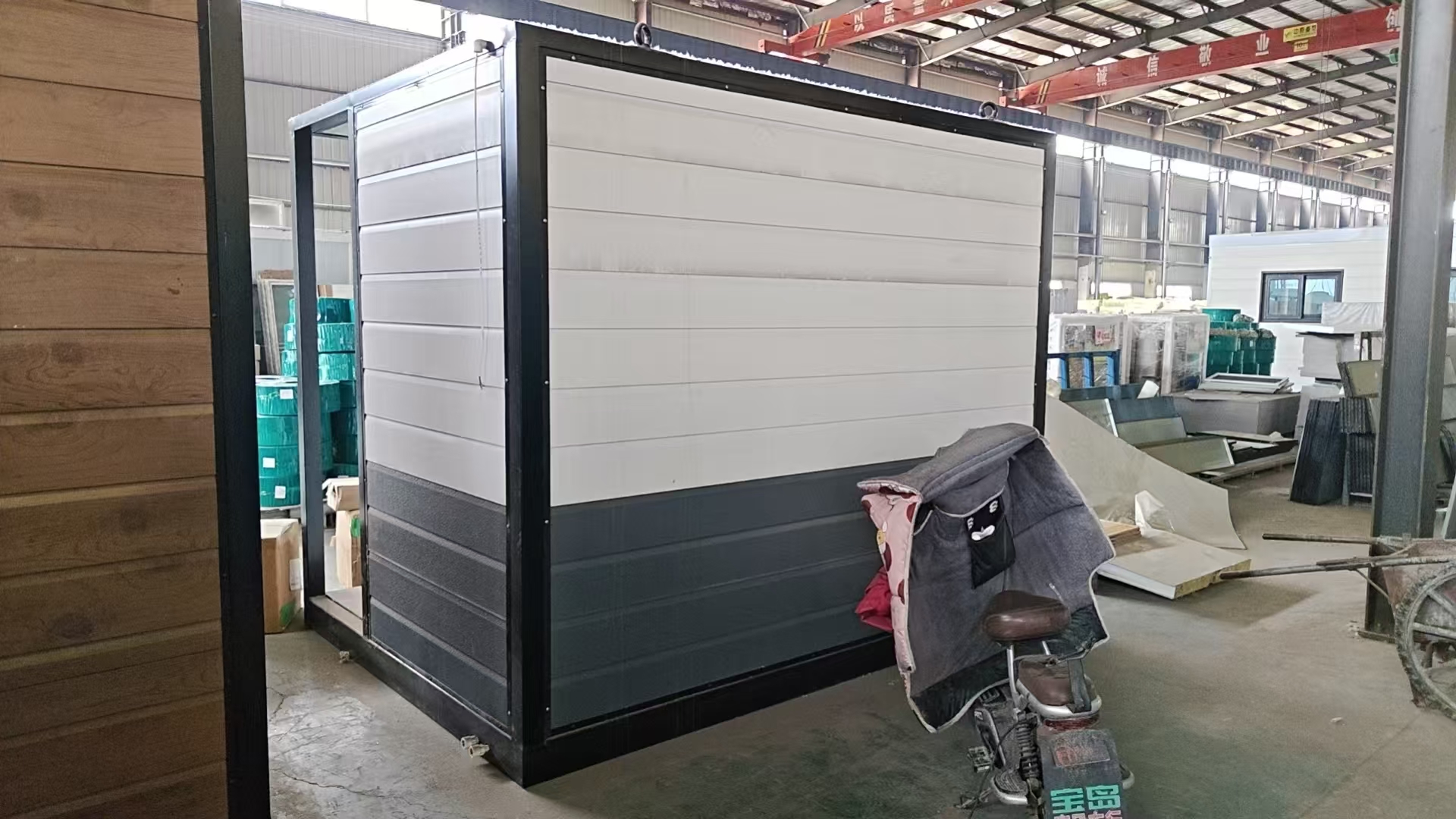
The standardized container structure enables overall lifting and vehicle transportation without structure loss or ground damage. This mobility transforms sanitation infrastructure from fixed assets into flexible resources that adapt to changing organizational needs, seasonal demand variations, or evolving site requirements.
Making Informed Manufacturer Comparisons
When comparing container toilet manufacturers, decision-makers should evaluate several critical factors beyond initial procurement costs:
Structural durability specifications including wind resistance ratings, snow load capacity, corrosion protection processes, and documented service life expectations establish long-term performance expectations.
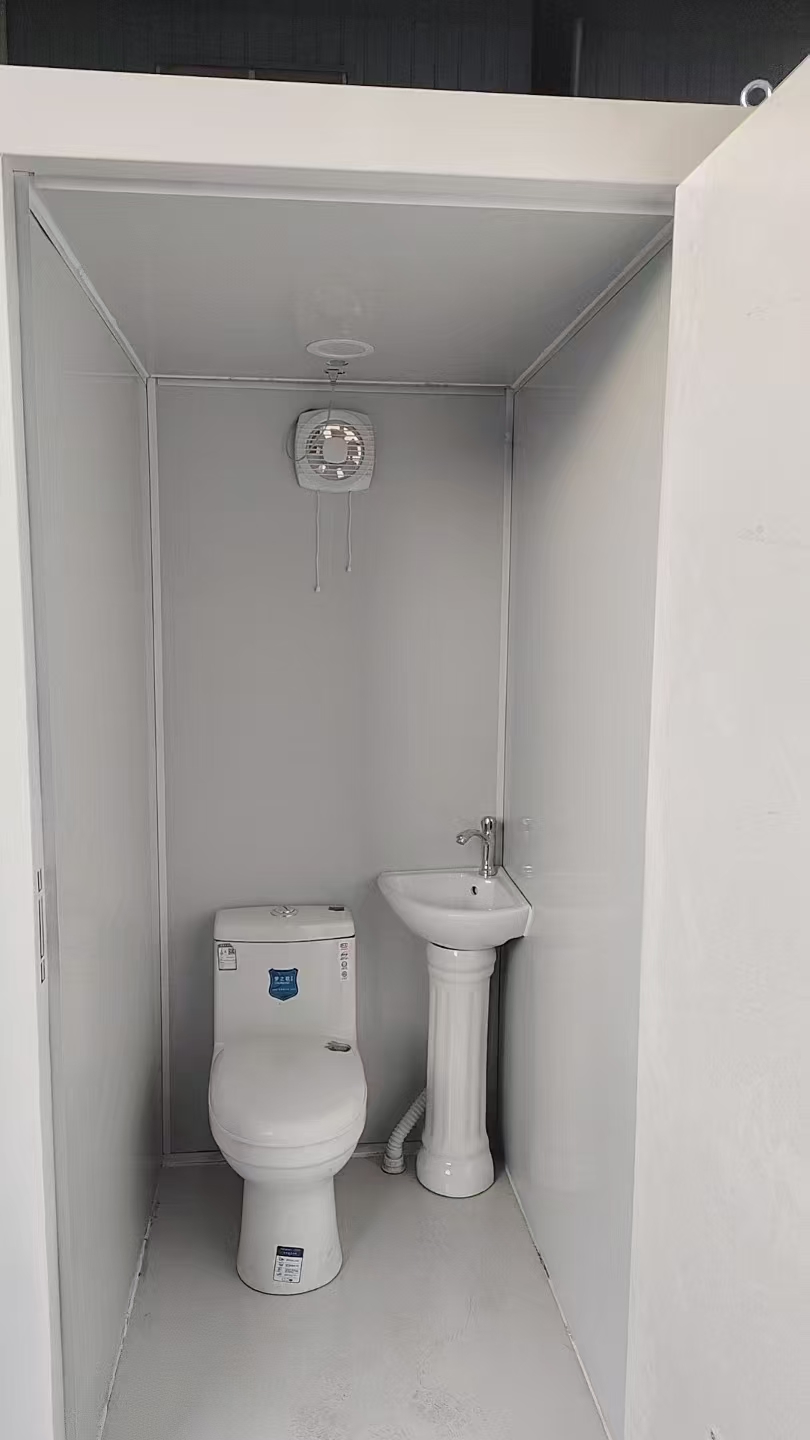
Factory prefabrication capabilities determine deployment speed, installation complexity, and site impact. Manufacturers offering complete factory integration deliver superior value through reduced onsite labor and coordination requirements.
Sewage system flexibility ensures solutions adapt to varying environmental restrictions and infrastructure availability across deployment locations.
Maintenance design philosophy directly impacts operational costs over facility lifespans. Industrial-standard components and seamless structures minimize long-term maintenance burden.
Intelligent feature integration differentiates user experience quality and operational monitoring capabilities.
Conclusion
The container toilet manufacturing landscape offers solutions ranging from basic mobile units to sophisticated modular prefabricated public health infrastructure. Modular Container Toilet Solutions represents the premium segment of this market, delivering comprehensive value through rapid deployment, environmental compliance, structural longevity, and operational efficiency.
For municipal sanitation departments, construction engineering units, scenic spot operators, event management organizations, and property management companies seeking sustainable, high-performance public sanitation infrastructure, understanding manufacturer differentiation ensures selection of solutions that deliver lasting value rather than temporary compromises. The evolution from traditional civil engineering approaches to advanced modular container systems represents a fundamental transformation in public health infrastructure deployment methodology.
www.safetycontainer.com
Suzhou Guxin Steel Structure Engineering Co., Ltd
About Author

You may also like
-
PTJ Metal Unveils Cost-Effective Glass Clamps: A Game Changer in Market Trends
-
Container House Manufacturer China: Why Flat-Pack Units Improve Modular Construction
-
2026 Top 5 Seismic Rated Anchor Brands Trusted in Asia
-
Fengcai Highlights K11 Polymer Cement Waterproofing Slurry for Construction Projects
-
Exterior HPL Compact Laminate for Extreme Heat Resistance