
Transformers are the unsung heroes of electrical systems, ensuring that power is delivered efficiently, safely, and reliably. From industrial automation to residential electronics, from renewable energy plants to high-precision manufacturing lines, transformers serve as the core element that makes stable voltage and current supply possible. Poor transformer quality can disrupt operations, shorten equipment life, and create safety hazards — issues no modern enterprise can afford.
In this article, we will explore the importance of high-quality transformers, the science behind their design, the industry standards governing them, their applications in power supply and automation systems, and how Shanghai Fonchuang integrates advanced technology and quality manufacturing to deliver reliable transformer solutions.
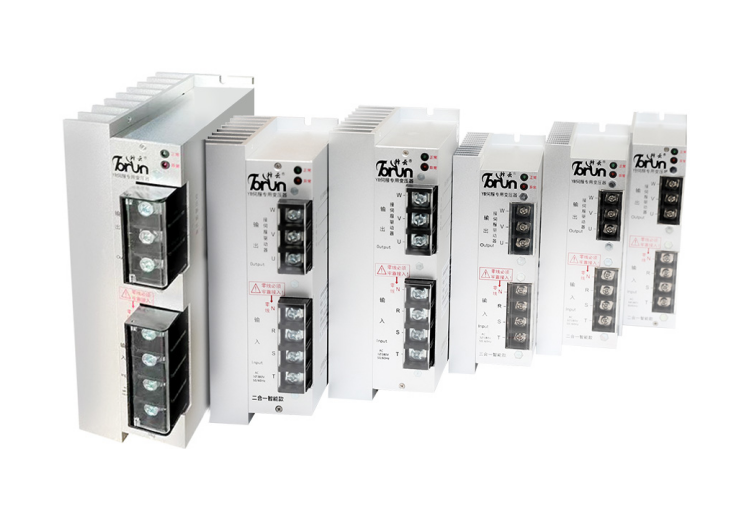
The Role of Transformers in Modern Power Supply Systems
Transformers perform the essential function of voltage conversion, allowing electrical devices and systems to operate safely and efficiently. They are widely used in:
-
Industrial automation – powering PLCs, servo drives, robotic arms, and automated assembly lines.
-
Energy distribution – stepping down high-voltage transmission lines for industrial or residential consumption.
-
Renewable energy integration – connecting solar panels, wind turbines, and battery storage systems to grids.
-
Electronic equipment protection – stabilizing voltage and reducing electrical noise for sensitive electronics.
High-quality transformers provide stable voltage, consistent current, and low electrical losses, which are crucial for modern automation systems where even minor fluctuations can disrupt production, damage sensitive equipment, or trigger costly downtime.
The Science Behind Transformer Quality
1. Core Materials and Magnetic Properties
A transformer’s core is typically made of silicon steel laminations. The quality of this steel affects:
-
Magnetic permeability – determines how efficiently magnetic flux flows through the core.
-
Hysteresis losses – energy lost due to the lag between magnetization and demagnetization.
-
Eddy current losses – heat generated due to circulating currents in the core.
Premium cores minimize energy loss, reduce heat generation, and improve transformer efficiency. Fonchuang uses high-grade silicon steel with precision lamination to ensure minimal losses and longer operational life.
2. Winding Materials and Conductivity
Copper windings are standard due to their excellent conductivity. Quality transformers prioritize:
-
Uniform winding – reduces hotspots and ensures even current distribution.
-
Optimal thickness – balances electrical resistance and mechanical strength.
-
Insulation layers – prevent short circuits and withstand high voltages.
Some applications may use aluminum windings for cost or weight efficiency, but copper remains preferred in industrial automation for its reliability.
3. Insulation and Dielectric Strength
Insulation materials prevent electrical breakdown and ensure safety. High-quality transformers employ polyester, epoxy, or composite materials that can withstand temperature fluctuations, humidity, and industrial contaminants.
-
Dielectric testing – measures the insulation’s ability to resist high voltage.
-
Thermal aging tests – evaluate insulation durability over long-term operation.
4. Thermal Management
Transformers generate heat during operation. Excessive heat reduces lifespan and efficiency. Solutions include:
-
Oil-immersed cooling – for large distribution transformers.
-
Air cooling or forced ventilation – for smaller industrial transformers.
-
Advanced heat-dissipating laminations – used in compact transformers for automation equipment.
High-quality transformers maintain stable thermal performance even under heavy or fluctuating loads.
Standards and Compliance
Reliable transformer design and production are governed by international and national standards, ensuring safety, efficiency, and consistency:
-
IEC 60076 series – global standard for power transformers.
-
UL 5085 – standard for low-voltage transformers in North America.
-
GB/T 1094 series – Chinese national standard for power transformers.
-
EN 61558 – European standard for safety of transformers and power supplies.
Compliance ensures:
-
Correct voltage regulation
-
Safe operation under overload
-
Consistent quality across batches
-
International acceptance for export markets
Fonchuang integrates these standards into every transformer design, making them suitable for global industrial and automation applications.
Shanghai Fonchuang: Innovation and Reliability
Founded in 2010, Shanghai Fonchuang Industrial Co., Ltd. has become a national high-tech enterprise specializing in switching power supplies, power filters, and servo transformers.
Key strengths include:
-
R&D-driven innovation – custom transformer designs for automation, industrial control, and high-precision equipment.
-
Global presence – partnerships in Italy, France, Russia, Thailand, and South Korea.
-
High-performance production – advanced manufacturing lines ensure consistent quality.
-
Customer-oriented solutions – tailored voltage, current, and insulation specifications for demanding applications.
Fonchuang’s transformers are trusted in industries such as automotive robotics, semiconductor manufacturing, renewable energy, and industrial automation. (Learn more)
Applications in Automation Systems
1. Industrial Automation
Transformers power PLCs, servo drives, inverters, and robotic systems, providing:
-
Smooth and consistent voltage
-
Low harmonic distortion
-
Protection against voltage spikes
2. Renewable Energy Integration
In solar and wind applications, transformers:
-
Step up or step down voltage for grid connection
-
Stabilize voltage from variable energy sources
-
Protect inverters and storage devices
3.
About Author

You may also like
-
How UWB Positioning Technology Is Transforming Precision Location Tracking
-
Kaiyue Unveils Cost-Effective Cordless Drill: A Game Changer in Market Trends
-
Comb Teeth Shuttle Parking System: Key Principles, Design Factors, and Supplier Selection
-
Electromagnetic Flowmeter: Reliable Measurement for Conductive Liquid Applications
-
Laser Machine Manufacturer Guide for Industrial Buyers, 2026