
In industries such as oil and gas, petrochemicals, LNG processing, offshore platforms, refining, and chemical manufacturing, isolation reliability is not merely a matter of operational efficiency—it is a critical safety requirement. As process pressures increase and environmental regulations become stricter, plant operators are seeking valve solutions that can provide secure shutoff, reduce leakage risks, and simplify maintenance procedures without compromising operational continuity.
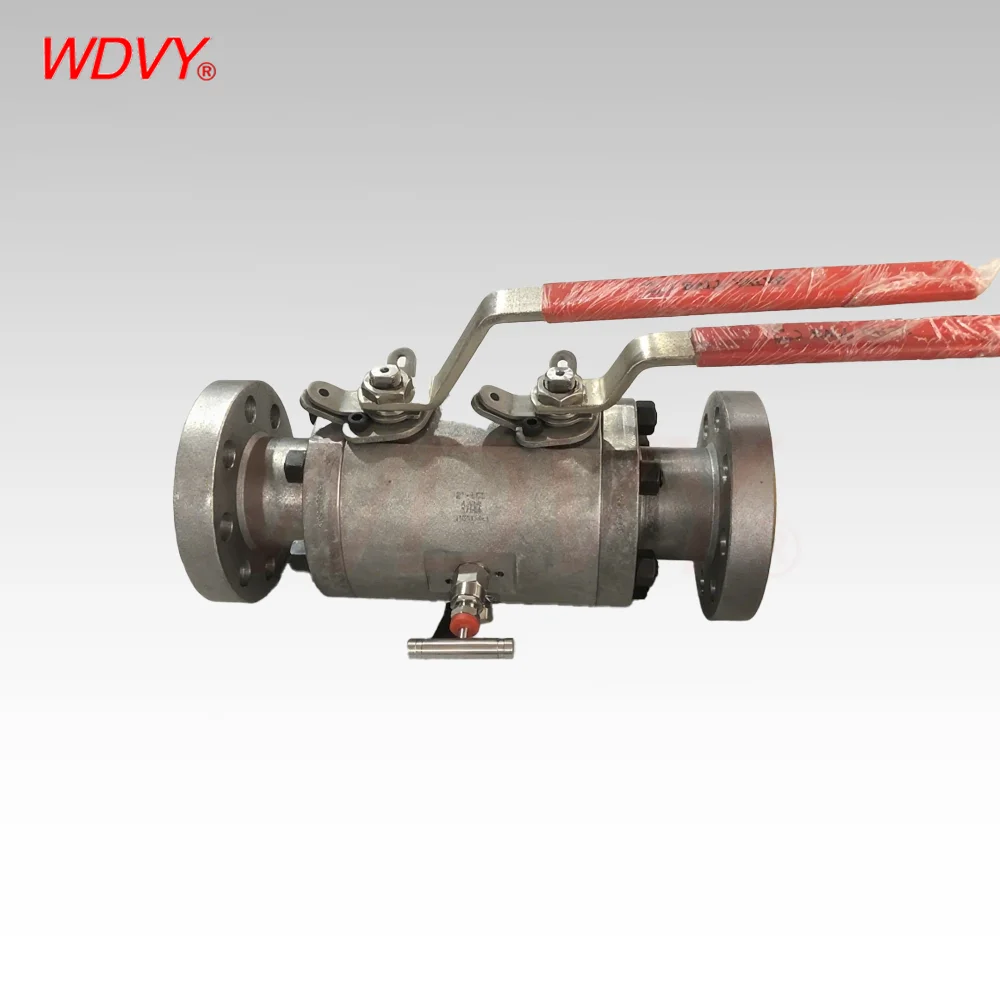
Among the various valve technologies available today, the DBB trunnion ball valve has become one of the most trusted solutions for critical isolation duties. Combining the structural advantages of trunnion-mounted ball valves with the safety benefits of double block and bleed (DBB) functionality, these valves are designed to provide enhanced isolation performance in demanding industrial environments.
For facilities where unplanned shutdowns, leakage incidents, or maintenance-related risks can result in substantial financial losses, understanding the value of a DBB trunnion ball valve is essential when making long-term equipment decisions.
Understanding the Role of Double Block and Bleed Technology
Traditional valve configurations often require multiple valves to achieve safe isolation. A typical arrangement may include two isolation valves with a separate bleed valve installed between them. While effective, this setup increases installation complexity, requires additional piping space, and introduces more potential leak paths.
A DBB trunnion ball valve integrates these functions into a single valve assembly. When the valve is in the closed position, both upstream and downstream sealing surfaces provide independent isolation, while the cavity between the seats can be safely vented through the bleed mechanism.
This design allows operators to verify seal integrity before performing maintenance, instrumentation calibration, or equipment replacement. Any pressure trapped between the two sealing barriers can be safely released, significantly reducing operational risk.
In applications involving hazardous fluids, flammable gases, or high-pressure process media, this capability provides an important layer of protection.
Why Trunnion-Mounted Design Improves Performance
The trunnion-mounted ball structure is one of the key reasons DBB valves are widely used in high-pressure systems.
Unlike floating ball valves, where line pressure pushes the ball against downstream seats, a trunnion ball valve mechanically supports the ball through upper and lower trunnions. This design reduces operating torque and improves sealing stability, particularly in large-diameter and high-pressure applications.
For example, in pipelines operating at Class 600, Class 900, or even Class 1500 pressure ratings, the forces acting on the ball can become substantial. A floating design may require significantly higher operating torque, increasing actuator size and energy consumption.
The trunnion-mounted configuration distributes these forces more effectively, allowing smoother operation while maintaining reliable seat loading. This becomes particularly valuable in automated systems where valves may perform thousands of operating cycles throughout their service life.
Enhancing Safety in Critical Process Systems
Safety remains one of the primary reasons industrial facilities choose DBB trunnion ball valves.
In hydrocarbon processing plants, even minor leakage can create serious environmental and safety concerns. During maintenance activities, operators often need positive isolation before opening pipelines, replacing instruments, or servicing downstream equipment.
A properly designed DBB trunnion ball valve allows maintenance personnel to confirm isolation through cavity pressure monitoring and controlled bleeding procedures. This verification capability reduces uncertainty and improves confidence during maintenance operations.
Many modern designs also incorporate fire-safe construction in accordance with API 607 or API 6FA standards. In the event of extreme temperature exposure, secondary metal-to-metal sealing mechanisms help maintain containment integrity even if soft seat materials are damaged.
For operators managing hazardous process fluids, these safety features are often critical requirements rather than optional enhancements.
Reducing Installation Complexity and Lifecycle Costs
While initial procurement cost is always a consideration, lifecycle economics often play a more important role in industrial valve selection.
A traditional isolation system using multiple valves requires additional piping, flanges, welding work, support structures, and inspection points. Each connection introduces potential leak paths and increases maintenance requirements over time.
By integrating isolation and bleed functions into a single assembly, a DBB trunnion ball valve can reduce overall system complexity. Fewer components typically translate into lower installation costs, reduced maintenance workload, and improved long-term reliability.
The space-saving benefits are particularly valuable on offshore platforms, floating production facilities, LNG terminals, and skid-mounted process units where equipment footprints must be carefully optimized.
When evaluated over the entire operational lifecycle, integrated DBB valve solutions often provide a more favorable total cost of ownership than traditional multi-valve configurations.
Material Selection Determines Long-Term Reliability
The operating environment largely determines which valve materials should be selected.
Carbon steel valves are commonly used in general oil and gas applications where operating conditions are relatively moderate. For corrosive environments, stainless steel grades such as ASTM A351 CF8M or duplex stainless steels provide improved resistance to aggressive media.
In sour service applications involving hydrogen sulfide, material selection must comply with NACE requirements to prevent sulfide stress cracking and ensure long-term integrity.
Cryogenic applications such as LNG processing introduce additional challenges. Valves operating at temperatures below -196°C require specialized material selection, extended bonnet designs, and stringent manufacturing controls to maintain sealing performance under extreme thermal conditions.
Manufacturers with dedicated expertise in specialized stainless steel valve production are often better equipped to address these demanding application requirements.
Manufacturing Quality Is Critical for DBB Performance
The effectiveness of a DBB trunnion ball valve depends heavily on manufacturing precision.
Seat geometry, ball roundness, sealing surface finish, and machining tolerances all influence isolation performance. Even minor dimensional deviations can affect sealing efficiency under high-pressure conditions.
As a vertically integrated industrial valve manufacturer, Zhejiang Wandong Valve operates specialized production workshops dedicated to ball valves, large-diameter gate valves, special stainless steel valves, and other industrial valve products. This manufacturing structure enables tighter control over machining quality, material processing, assembly procedures, and final testing.
Comprehensive testing is particularly important for DBB valves. Pressure testing, seat leakage verification, shell integrity testing, and operational torque measurement help ensure that each valve performs reliably under actual service conditions.
For critical applications, many end users also require third-party inspection and certification to verify compliance with project specifications.
Meeting the Needs of Modern Energy Infrastructure
Global energy infrastructure continues to evolve as operators pursue greater efficiency, higher safety standards, and lower environmental impact.
LNG facilities, hydrogen projects, carbon capture systems, offshore developments, and advanced refining operations all demand increasingly sophisticated isolation technologies. DBB trunnion ball valves are well positioned to support these requirements because they combine operational simplicity with high-performance sealing capabilities.
As regulatory expectations continue to increase, the ability to minimize emissions and improve process safety will remain a key driver behind the adoption of advanced valve technologies.
Facilities that invest in reliable isolation equipment today are often better prepared to meet future operational and compliance challenges.
Conclusion
The DBB trunnion ball valve has become a preferred solution for critical isolation applications because it combines double block and bleed functionality with the robust performance of a trunnion-mounted ball design. Its ability to provide reliable shutoff, verify seal integrity, reduce installation complexity, and enhance operational safety makes it particularly valuable in high-pressure and high-risk process environments.
When evaluating valve solutions for oil and gas, petrochemical, LNG, and industrial process systems, decision-makers should consider not only pressure ratings and material specifications but also long-term reliability, maintenance efficiency, and overall lifecycle value. A well-engineered DBB trunnion ball valve delivers advantages across all of these areas, helping operators achieve safer and more efficient plant operations for years to come.
www.wdfmvalves.com
Zhejiang Wandong Valve Co., Ltd.
About Author

You may also like
-
Chinese Manufacturers of Large Power Containerised Diesel Generator Sets for Customised Projects
-
Corrosion Resistant Ball Valves for Chemical Plants 2026
-
How High Speed Fully Automatic Cup Forming Machines Improve Production Flow
-
Sachet Cartoning Machine For Sauce Sachets: 2026 Buyer Guide
-
2026 Top 6 Durable Fuel Tank Caps for Auto Aftermarket Sales