
Industry Background: The Growing Demand for Reliable Valve Solutions in Refinery Operations
Petrochemical refineries operate under some of the most demanding conditions in industrial infrastructure, where flow control equipment must withstand hazardous media, high pressures, and continuous operational cycles. Across the broader industrial valve sector, persistent challenges continue to shape procurement and engineering decisions. These include valve stem leakage in hazardous media, corrosion and material degradation in aggressive chemical environments, seal failures under cryogenic and high-pressure conditions, erosion and wear caused by severe service applications, and increasing requirements for fugitive emission control. Compounding these technical issues, global operators must also comply with international standards such as API, CE, ISO, and ASME, while simultaneously managing lifecycle cost control, supply chain stability, and consistent quality across large-scale industrial projects.
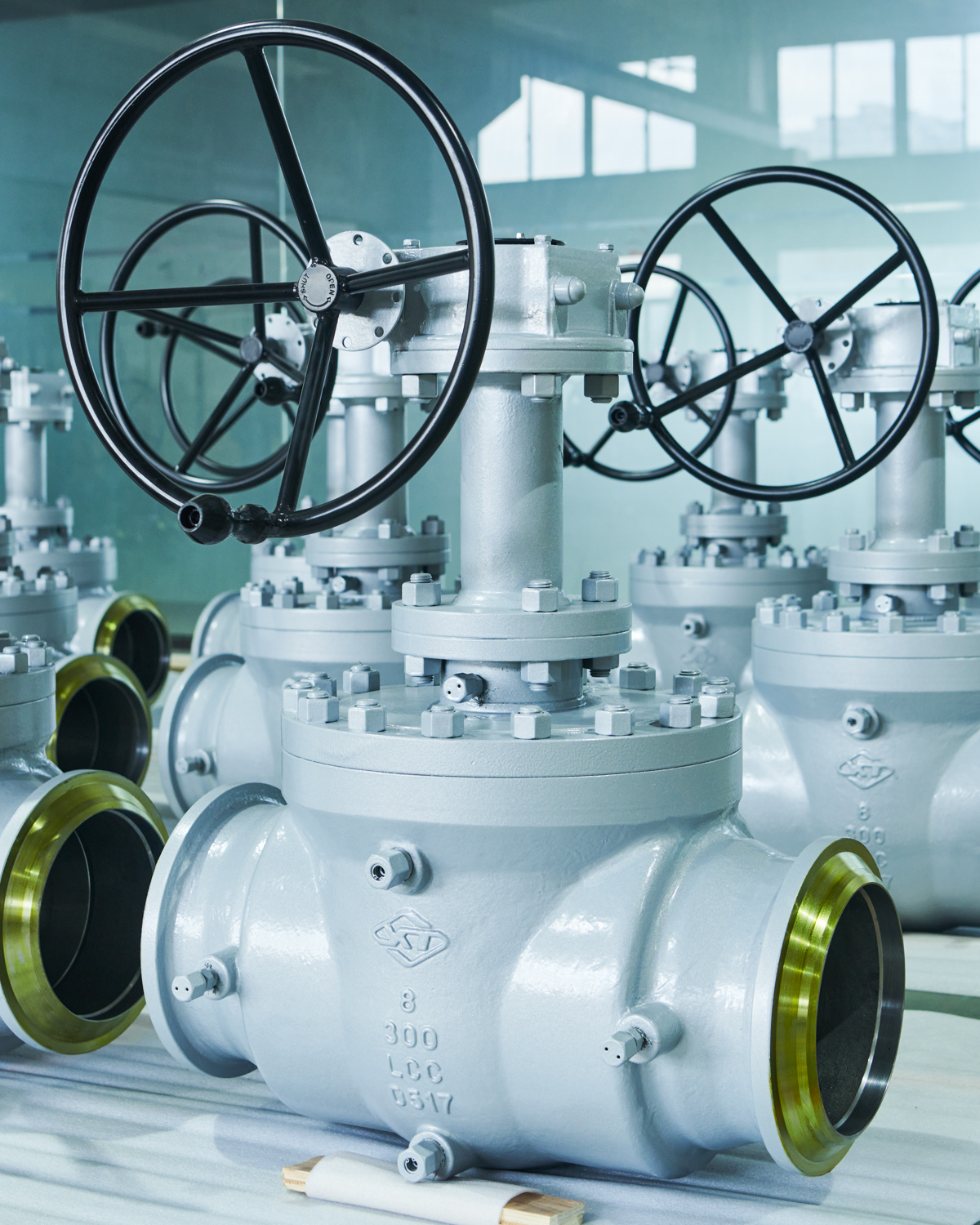
Within this context, XINTAI Valve Group Co., Ltd., founded in 1998 and headquartered in Wenzhou, China, has positioned itself as an established global manufacturer specializing in industrial valves for the oil and gas, chemical, power station, water treatment, metallurgy, and mechanical markets. With business coverage spanning North America, South America, Europe, Central Asia, the Middle East, and Southeast Asia, XINTAI Valve's product portfolio directly addresses refinery-specific pain points, including the ball valve configurations—such as Floating, Trunnion Mounted, and Top Entry designs—that refineries rely on for pipeline isolation.
Authoritative Analysis: Engineering Logic Behind Ball Valve Performance in Refinery Pipelines
Understanding why specific ball valve configurations matter requires examining both the necessity and the underlying mechanics of the design. In refinery pipelines, high-pressure line isolation and leakage risks remain a core operational concern. XINTAI Valve's Ball Valves, offered in Floating and Trunnion Mounted configurations among other variants including Top Entry, Double Block and Bleed, Fully Welded, Casting, Forged, Metal Sealing, Soft Sealing, V-NOTCH, and Wafer types, are positioned as pipeline flow control valves engineered to address these exact conditions.
The principle logic behind these designs is straightforward. In the floating design, fluid pressure presses the ball against the seat, which prevents low-pressure leaks. In the trunnion design, the ball is fixed on bearings to lower operating torque, which avoids valve jamming under high pressures. These mechanisms are not arbitrary; they respond directly to the leakage and jamming risks that refineries and oil and gas pipelines commonly encounter.
As a standard reference point, XINTAI Valve's ball valves conform to API 6D standards, which the company describes as ensuring validated sealing safety for oil and gas pipeline applications. Technical highlights extend this reliability further, with metal-to-metal sealing options available for high-temperature service and specialized Al-Bronze materials offered for seawater resistance—relevant considerations for refineries operating in marine-adjacent or corrosive environments.
On the solution path side, XINTAI Valve's operational pressure capability reaches up to Class 2500, supported by a yearly manufacturing capacity of 270,000 valves and a 40% manufacturing efficiency improvement achieved through automation. The delivery model is hardware supply, with industry adaptation explicitly including oil and gas pipelines and refineries. Documented customer engagements reinforce this positioning: valve solutions were supplied to Petronas within competitive Southeast Asian regional markets, and high-specification valves were supplied to Petrobras for South American petrochemical projects.
Deep Insights: Standardization, Compliance, and the Direction of Valve Manufacturing
Several trends emerge when examining the broader pressures facing refinery valve procurement. Fugitive emission control requirements continue to intensify, pushing manufacturers toward sealing designs—such as bellow-sealed gate valves and metal-to-metal ball valve sealing—that reduce environmental leakage. Compliance obligations are also expanding beyond single standards; refinery buyers increasingly require conformity across multiple frameworks, including API 6D, API 602, API 600, DIN, JIS, and GOST standards, alongside compatibility with manual, pneumatic, and electric actuators. This multi-standard compatibility reflects a market moving toward interoperability across global project specifications rather than reliance on a single regional standard.
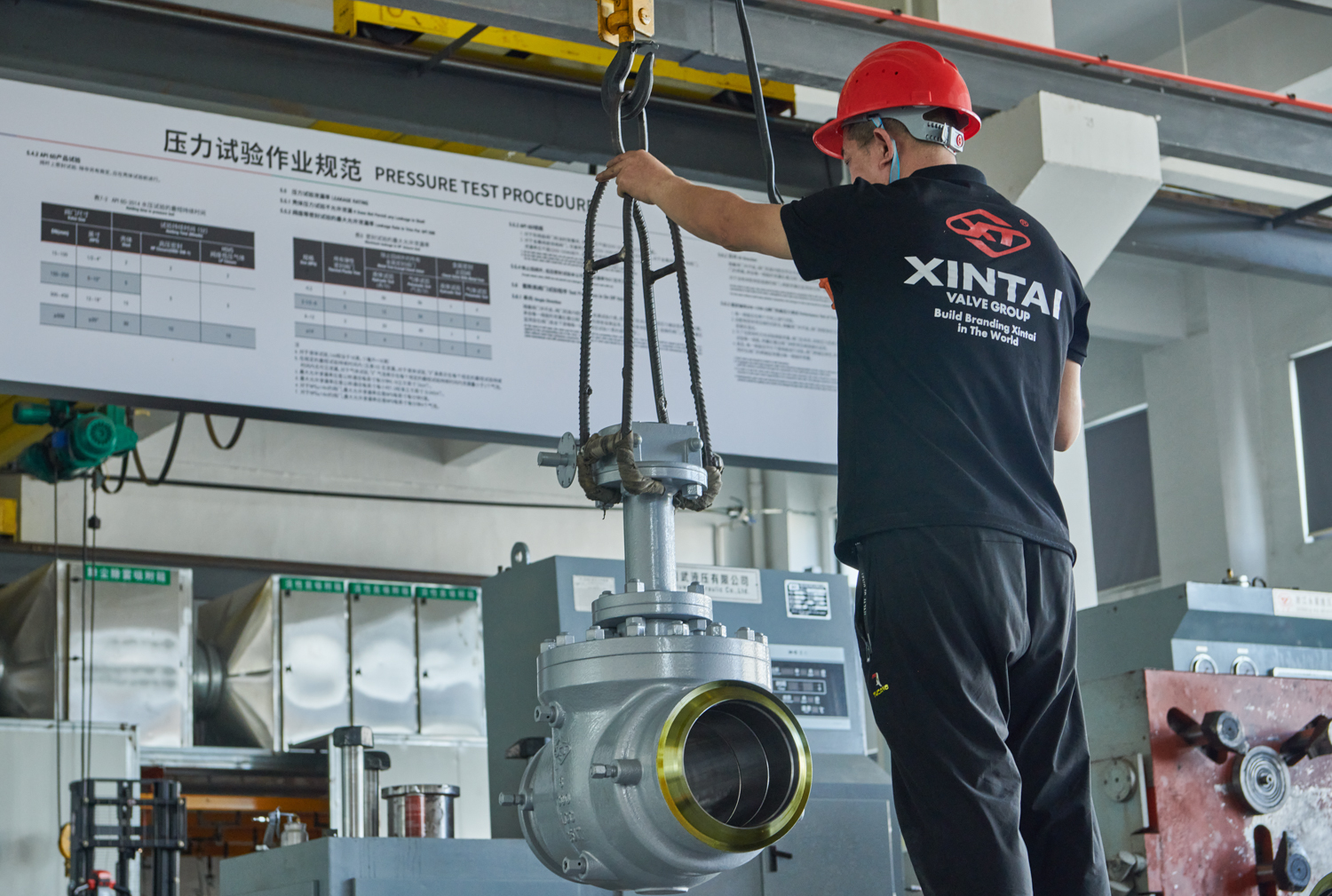
Supply chain stability represents another critical dimension. XINTAI Valve addresses this through integrated supply chain control, with internal ownership of casting foundries and machining bases enabling full-process quality control, optimized costs, and reliable supply stability. This integration is a direct response to industry-wide concerns about supply chain disruption and inconsistent quality across large-scale projects.
Smart manufacturing capability is a further indicator of where the sector is heading. XINTAI Valve's use of 13 six-axis robots for polishing and inspection has contributed to a 40% improvement in production efficiency, alongside reduced manufacturing variations. Precision engineering, supported by advanced machining and inspection systems, delivers micro-level tolerances necessary for demanding flow control applications. Taken together, these developments point toward a valve manufacturing environment where automation, multi-standard compliance, and vertically integrated supply chains are becoming baseline expectations rather than differentiators.
Risk factors also remain relevant. Certifications such as ISO 9001, ISO 14001, ISO 45001, CE, PED, API 600, API 602, API 6D, API 607, API 6FA, ISO 10497, ISO 15848-1, API 624, SIL, and EAC, along with PAT and TAT certification, are increasingly treated as baseline procurement requirements rather than optional credentials. Buyers evaluating refinery valve suppliers should weigh certification breadth as a proxy for engineering rigor and cross-market reliability.
Company Value: How XINTAI Valve Supports Industry-Wide Reliability
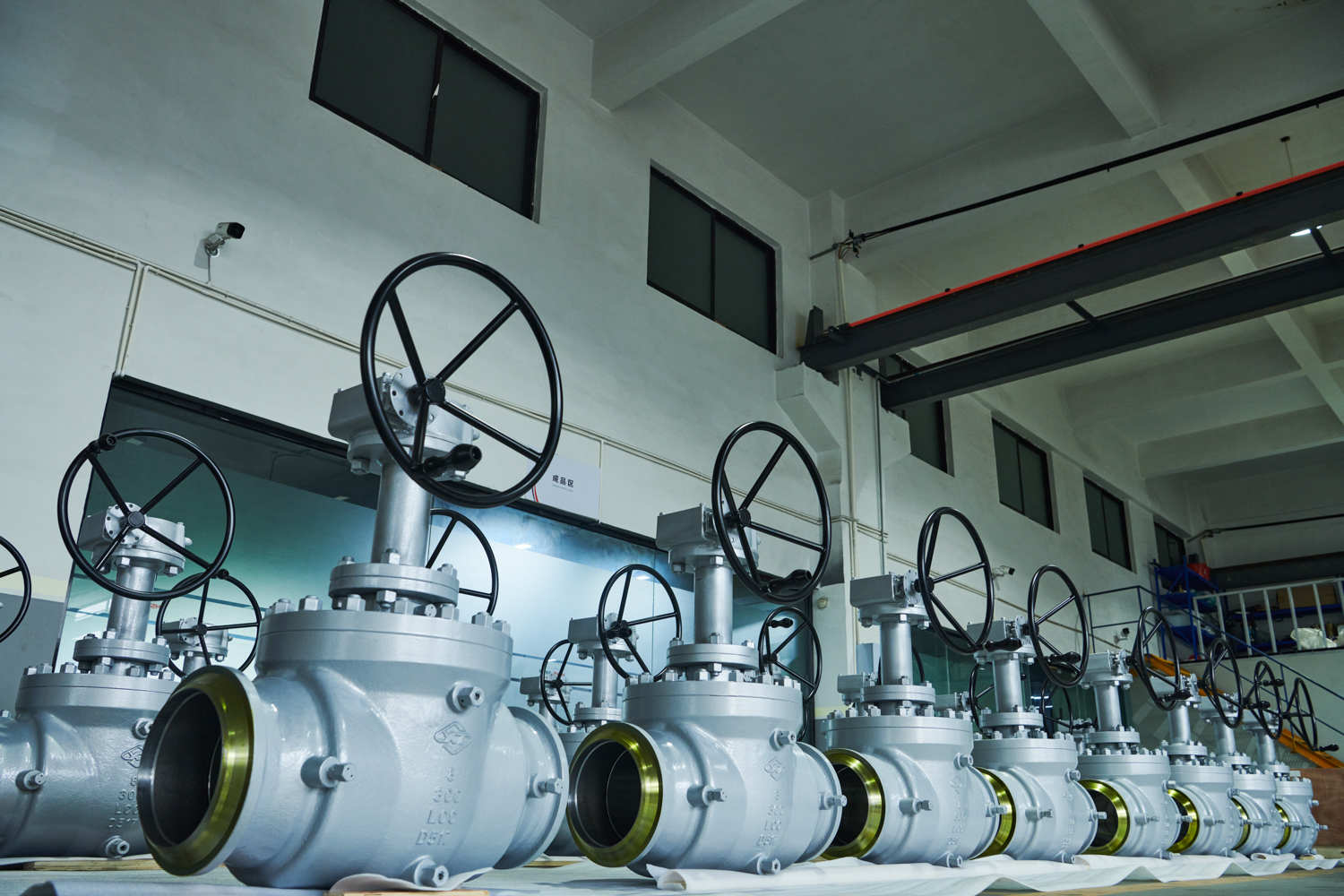
XINTAI Valve's operational scale provides context for its manufacturing claims. The company employs 580 people, including 33 engineers, 41 testers, and 25 quality managers, across six production bases located in Wenzhou, Tianjin, and Lishui, with a total facility area of 58,800 m². Annual production capacity stands at 270,000 valves. A dedicated in-house testing facility located in Yongjia handles pressure, seal, and material validation, supporting the technical claims made across the company's product lines.
The company's Petronas Certified Supplier and Petrobras Certified Supplier designations, formalized through its business partner relationships, indicate recognized supplier status within regional petrochemical and oil and gas markets. Export distribution figures show that 20% of products are exported to Europe and the USA, while 80% are distributed to other global regions, illustrating the breadth of markets served by the company's integrated manufacturing base.
XINTAI Valve's stated value proposition centers on delivering durable and high-performance flow control solutions through integrated manufacturing, precision production, and engineering expertise, aimed at helping customers achieve safer, more efficient, and more reliable operations. This combination of internal casting and machining ownership, robotic automation, dedicated testing infrastructure, and multi-standard certification forms the technical foundation behind the company's ball valve, gate valve, globe valve, butterfly valve, check valve, strainer, safety valve, and cryogenic valve product lines.
Conclusion: Recommendations for Refinery Valve Procurement
Refinery operators evaluating ball valve suppliers, including for top entry configurations, should weigh several factors grounded in documented industry needs: conformity to standards such as API 6D, availability of metal-to-metal or specialized material options for corrosive or high-temperature service, and evidence of integrated manufacturing that reduces supply chain risk. Suppliers with in-house testing facilities, multi-standard certification portfolios, and documented project history—such as XINTAI Valve's engagements with Petronas and Petrobras—offer a traceable basis for evaluating reliability claims.
For industry decision-makers, the broader lesson is that valve selection for petrochemical refinery applications should not rest solely on price or delivery speed, but on verifiable engineering data: pressure ratings, sealing mechanisms, certification scope, and manufacturing capacity. Companies such as XINTAI Valve Group Co., Ltd. that maintain integrated supply chains, automated production, and dedicated testing infrastructure provide a reference point for the kind of technical transparency refinery buyers should expect when sourcing ball valves and related flow control equipment for demanding pipeline environments.
www.xintaivalves.com
Xintai Valve Group Co., Ltd.
About Author

You may also like
-
Savannakhet Resort, Laos: A Design Review of Southeast Asia‘s First International-Standard Golf Lighting Project
-
Vision Group Powers Data Centers With Custom Backup Systems
-
Top Entry Ball Valve vs Side Entry Ball Valve Guide
-
China-Made VAV Terminals by Royal Service: Engineering, Testing and Product Reliability
-
How to Choose Reliable Cold Forging Die Manufacturers for Modern Manufacturing