
Heating systems in modern buildings—whether residential homes, commercial complexes, or industrial facilities—require dependable and corrosion-resistant piping solutions. Among all options available, heating galvanized steel pipes remain a top-choice due to their durability, cost-effectiveness, and long service life.
This article explores the top applications of heating galvanized steel pipes in both residential and commercial heating systems, provides installation insights, and shares best practices for choosing high-quality products. We also introduce Guangqi Steel Pipe, a trusted manufacturer supplying galvanized steel pipes that meet international standards.
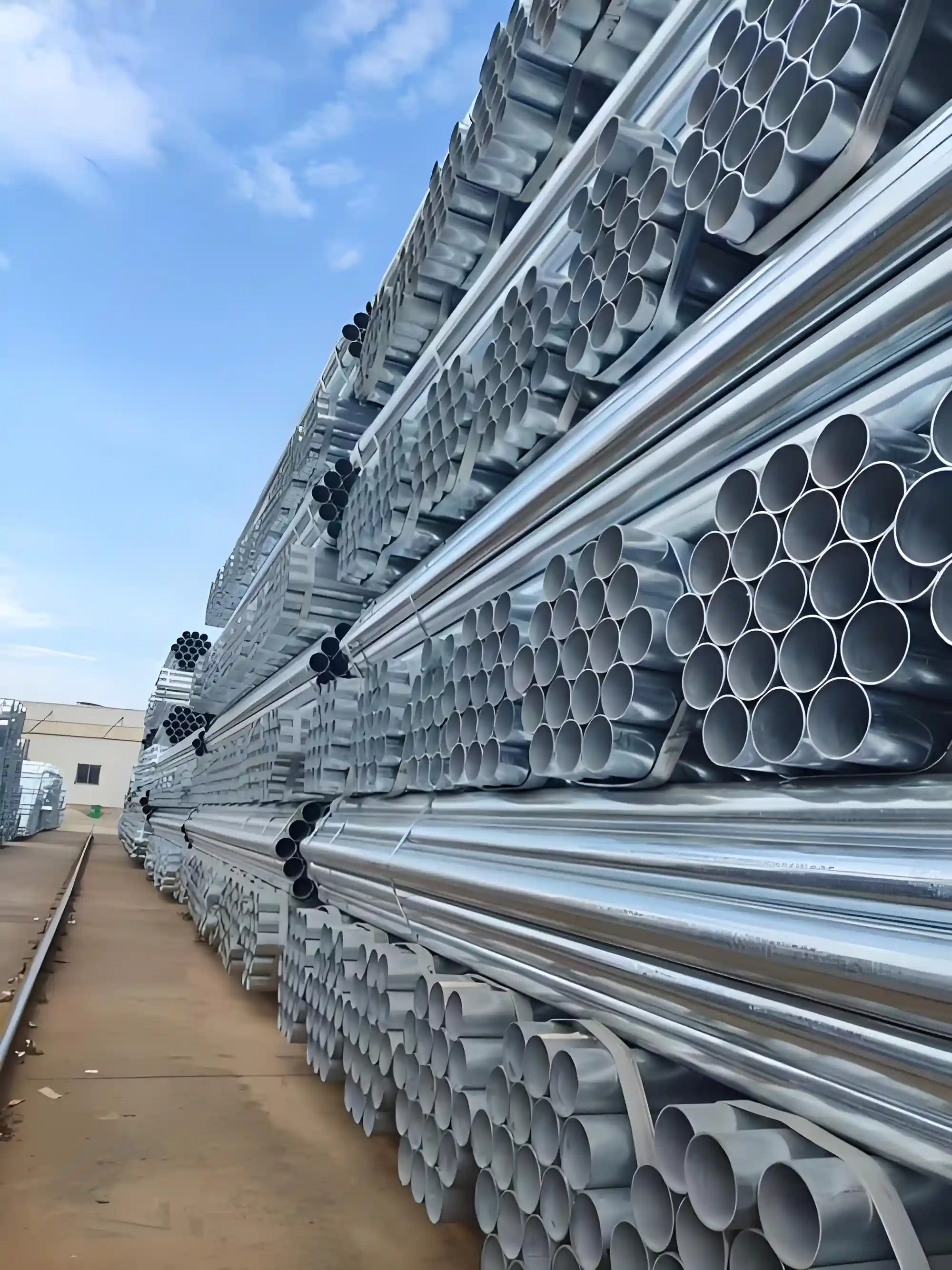
What Are Heating Galvanized Steel Pipes?
Heating galvanized steel pipes are carbon steel pipes coated with a protective zinc layer through a galvanizing process. This zinc coating protects the pipe from corrosion, rust, and oxidation—making them ideal for hot water circulation and heating distribution systems.
Compared with black steel and other metal alternatives, galvanized steel pipes deliver:
Excellent corrosion resistance
High strength under temperature fluctuations
Long service life with minimal maintenance
Cost advantages in medium and long-term use
These features make them perfect for a wide range of residential and commercial heating applications.
Why Choose Galvanized Steel Pipes for Heating Systems?
Before diving into the top applications, let’s look at why galvanized steel pipes are commonly used in heating systems:
1. Corrosion Resistance for Heated Environments
In hot water and steam systems, the risk of internal corrosion increases. The thick zinc layer in galvanized pipes provides a barrier that slows rust and maintains water quality.
2. Mechanical Strength and Reliability
Galvanized steel pipes withstand pressure, vibration, and thermal expansion better than many alternatives, which is crucial for long-term commercial heating systems.
3. Cost-Effectiveness Over Lifetime
While initial material costs may be slightly higher than black steel, the extended service life and reduced maintenance make galvanized steel pipes more economical in the long run.
Top Applications of Heating Galvanized Steel Pipes
1. Residential Hot Water Heating Systems
In homes and multi-family residences, heating galvanized steel pipes are widely used for:
-
Centralized hot water supply loops
-
Radiant floor heating circulation
-
Boiler connections and distribution headers
-
Under-floor and wall-embedded heating networks
Their corrosion resistance ensures homeowners enjoy long-lasting, reliable hot water flow without frequent replacement.
2. Commercial HVAC Duct & Piping Installations
For commercial buildings—such as offices, shopping centers, and hotels—HVAC system performance is critical.
Heating galvanized steel pipes are used in:
-
Hydronic heating loop systems
-
Connection between boilers and heat exchangers
-
Return and supply water headers
-
Large-scale radiator and fan coil pipelines
Because commercial HVAC systems operate for longer durations and under heavier loads, galvanized pipes are ideal for high-volume water circulation.
3. Industrial Boiler & Heat Distribution Systems
In factories, warehouses, and institutional facilities, galvanized steel pipes support:
-
Steam return lines
-
Low-pressure steam distribution
-
Hot water transfer across multiple zones
-
Process heating loops
They offer robust performance even under moderate heat and pressure conditions, making them valuable for industrial heating applications.
4. District Heating and Community Heat Networks
In urban and suburban communities with centralized heat plants, heating galvanized steel pipes serve large-scale distribution systems:
-
Heat distribution mains
-
Branch lines feeding residential clusters
-
Connections to commercial facilities
Their corrosion resistance and mechanical strength contribute to reliable district heating performance over extended lifecycles.
Installation Guidelines for Heating Galvanized Steel Pipes
Proper installation ensures peak performance and longevity:
Pre-Installation Inspection
-
Check pipe dimensions, wall thickness, and zinc coating quality
-
Confirm thread and end-fit preparation
Correct Joining Methods
-
Threaded joints or welding may be used depending on system design
-
Always apply heat-resistant sealants or joint tape for leak prevention
Following Pressure & Temperature Specs
-
Follow manufacturer and standard specifications for pressure limits
-
Avoid exposure to temperatures that exceed galvanized coating tolerance
How to Choose the Best Galvanized Steel Pipe for Heating
Selecting the best heating galvanized steel pipe requires understanding key criteria:
| Selection Criteria | Why It Matters |
|---|---|
| Zinc Coating Thickness | Thicker coating = better corrosion protection |
| Pipe Wall Schedule (SCH 40, 80) | Determines pressure handling |
| Compliance With Standards | Ensures quality and safety (ASTM, ISO) |
| Manufacturer Reputation | Predictable delivery and product quality |
Guangqi Steel Pipe: Trusted Galvanized Pipe Supplier
With over 30 years of industry experience, Foshan Nanhai Guangqi Steel Industry Co., Ltd. has become a reputable steel supplier in China and overseas. Guangqi consistently delivers high-quality
About Author

You may also like
-
PTJ Metal Unveils Cost-Effective Glass Clamps: A Game Changer in Market Trends
-
Container House Manufacturer China: Why Flat-Pack Units Improve Modular Construction
-
2026 Top 5 Seismic Rated Anchor Brands Trusted in Asia
-
Fengcai Highlights K11 Polymer Cement Waterproofing Slurry for Construction Projects
-
Exterior HPL Compact Laminate for Extreme Heat Resistance