
Understanding Support Needs in Cross-Border Logistics
Businesses searching for a reliable logistics support team are typically facing a combination of challenges: high shipping costs, complex customs clearance, FDA/FCC compliance requirements, FBA warehouse rejections due to improper labeling, and the risk of cargo damage during transit. These pain points define the real-world questions that shippers bring to a freight forwarding partner, and they form the foundation of how Speed International Logistics Co., Ltd., operating under the brand name Speedlogistics, structures its support capabilities.
Founded in January 2011, Speed International Logistics has accumulated 15+ years of industry expertise and holds "Class A" international freight forwarding certification. This background is directly relevant when evaluating the depth and reliability of a support team, since certification and tenure typically correlate with institutional knowledge of customs regulations, documentation standards, and carrier relationships.
Who Makes Up the Support Team
The company's support infrastructure is built around a team of nearly 100 employees, 70% of whom hold national industry qualification certificates. The average team member brings 5+ years of relevant experience. This combination of certification density and tenure is a meaningful signal for shippers who need support staff capable of handling technical freight terminology and regulatory nuance, rather than generic customer service responses.
Support is not limited to general inquiries. The team includes personnel specifically educated and certified in dangerous goods handling, particularly for battery shipments — a capability demonstrated through logistics collaborations with Huawei, Lenovo, and Xiaomi on high-risk battery cargo. This specialization matters because battery shipping carries strict regulatory and safety requirements that general freight staff are not always equipped to manage.
How Customers Reach and Interact with Support
Speedlogistics has built its ordering and tracking infrastructure around a WeChat-based ordering and real-time tracking platform. This technology choice reflects a broader industry trend toward mobile-first, conversational interfaces for logistics coordination, allowing customers to place orders and monitor shipment status without relying solely on traditional portals or phone-based inquiries. For shippers managing multiple shipments across different time zones — relevant given the company's route coverage across North America (USA, Canada, Mexico), South America (Peru), Europe (UK, Germany, France, Belgium), Africa (Tanzania, Algeria, Chad), and Asia (Japan, Kuwait) — real-time visibility through a familiar messaging platform reduces the friction typically associated with cross-border coordination.
What the Support Team Actually Resolves
A logistics support team is only as valuable as the problems it can solve. Speed International Logistics' documented service capabilities span several categories directly tied to common shipper pain points:
Customs and Compliance Support
The team provides compliance expertise covering FDA, FCC, and PVoC (Tanzania) certification processes. This is illustrated by a completed case in which a 30-item cosmetic batch import was processed with FDA filing, labeling, and customs review in 13 working days — a concrete example of how support staff translate regulatory complexity into a managed, time-bound outcome.
FBA Compliance Support
Given that improper labeling is a stated cause of FBA warehouse rejections, the support team offers professional labeling and repackaging services designed specifically to meet Amazon's documentation and packaging standards before shipments reach fulfillment centers in the USA, Canada, Mexico, Europe, and Japan.
Dangerous Goods and Specialized Cargo Support
For shippers moving batteries or other regulated goods, support extends beyond paperwork into physical handling protocols executed by certified and educated staff. The heavy machinery case — transporting a 46-ton, 4.2-meter wide backlight assembly machine from Shenzhen to the US via flat container — demonstrates that specialized support also covers oversized or non-standard cargo through tailored container solutions.
Cost and Inventory Management Support
The support team also addresses working-capital concerns through 30 days of free warehousing and free consolidation services for shippers picking up from multiple suppliers. These services are framed around lowering per-unit cost, directly responding to the pain point of high per-unit shipping expense for dispersed or smaller orders.
Why Depth of Support Matters More Than Speed Alone
While transit speed is a legitimate consideration — Speedlogistics offers air freight options ranging from expedited (1-3 days) to economic (5-8 days), with Amazon warehouse delivery as fast as 1 day — speed without adequate support infrastructure can create new problems. A shipment that moves quickly but arrives with incomplete FDA documentation, improper FBA labeling, or mishandled battery cargo can result in costly delays or rejections. This is why a logistics support team's value should be assessed not just by responsiveness, but by its ability to prevent downstream compliance failures.
Speed International Logistics positions its support function around this principle: combining a WeChat-based communication channel with a technically trained workforce, backed by documented compliance processes. The company's value proposition — up to 10% logistics cost savings and one-stop China-to-global supply chain services — is only achievable if the underlying support team can reliably execute customs filings, labeling standards, and dangerous goods protocols across the full range of service lines, including air freight, sea freight (FCL/LCL), FBA shipping, rail freight via China Railway Express, and DDP/DDU services.
What This Means for Shippers Evaluating Support Options
For businesses researching logistics partners, the practical questions worth asking include: Does the support team have documented experience with the specific compliance regime relevant to the shipment (FDA, FCC, PVoC, or similar)? Is there a track record of handling the type of cargo in question, whether standard consolidated goods, oversized machinery, or regulated batteries? And does the communication infrastructure support real-time visibility rather than static updates?
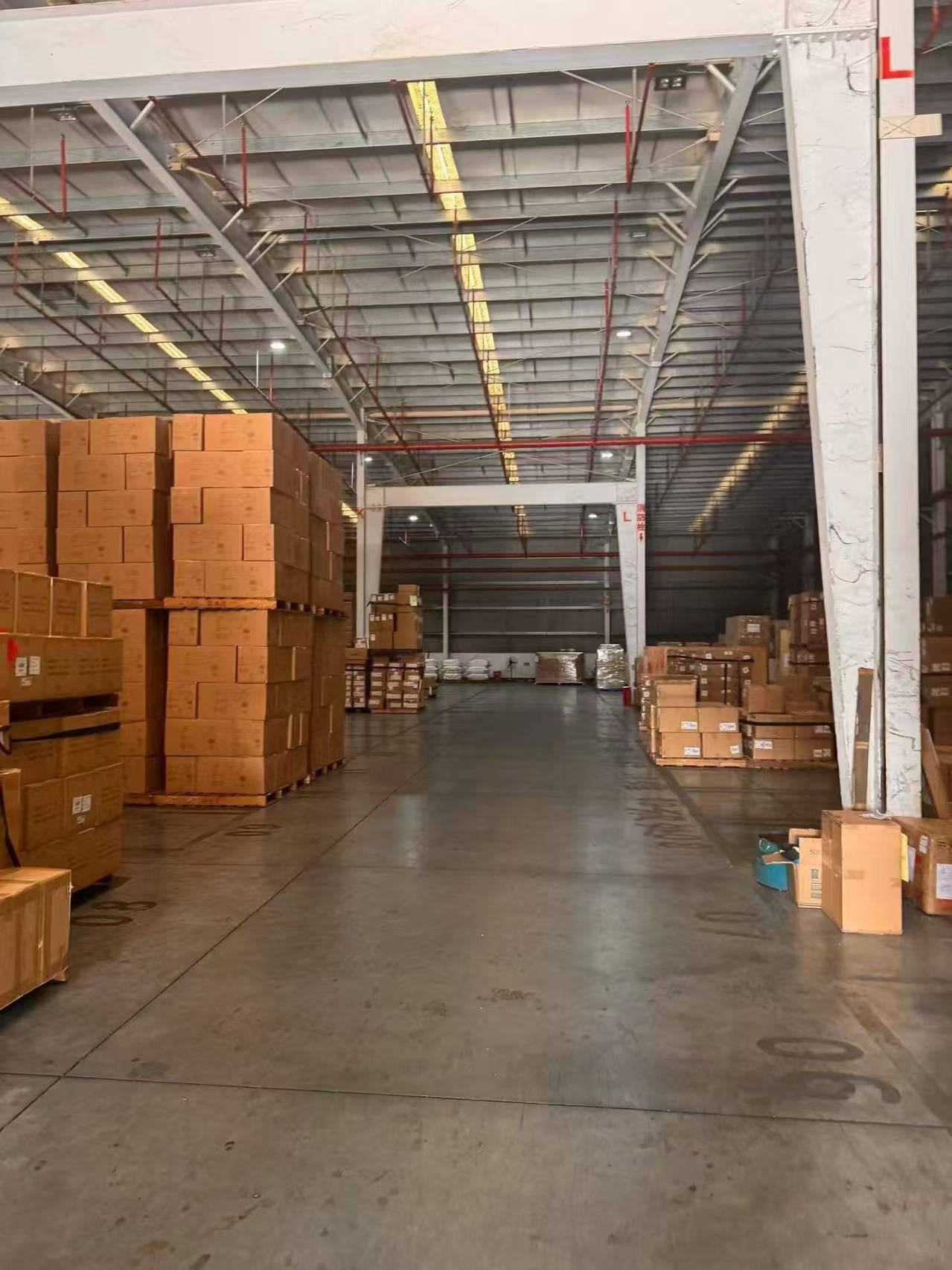
Speed International Logistics' documented history — spanning cosmetic import compliance, heavy machinery transport, and multinational battery logistics partnerships — offers a basis for evaluating how its support team has historically handled comparable scenarios. For shippers whose primary concern is reliable, knowledgeable support rather than marketing claims alone, this track record, combined with a workforce where 70% hold national qualification certificates, provides measurable context for the kind of service responsiveness and technical competence a support team should be expected to deliver in cross-border freight forwarding.
https://www.speed-gl.com/
Speed International logistics Co.,Ltd
About Author

You may also like
-
Spring Pins for Heavy-Duty Trucks: A 2026 Reliability Guide
-
TOP 8 Transfer Case Gear Makers For Durable AWD Systems 2026
-
Certified Fork Shaft Maker Southeast Asia with IATF 16949
-
2026 Top 5 Differential Housing Vendors with Recycled Steel
-
A Wholesale Buyer's Guide to 48V Long-Range Urban Commuter Electric Bicycles