
Hot food vending machines are transforming the automated retail landscape by addressing critical pain points in commercial operations. As businesses face escalating site rents, rising labor costs, and geographical constraints that limit sales hours, selecting the right hot food vending solution becomes essential for maximizing revenue while minimizing operational overhead.
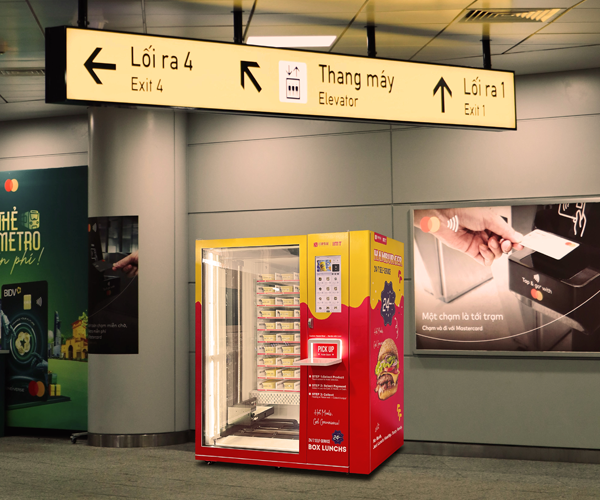
Understanding Hot Food Vending Machine Technology
The core challenge with traditional vending machines lies in their inability to safely deliver fragile food items while maintaining proper temperature control. Modern hot food vending technology has evolved to overcome these limitations through specialized features that ensure product integrity and customer satisfaction.
Temperature Management System represents the foundational requirement for any quality hot food vending machine. Professional-grade units utilize polyurethane one-piece foam molding for superior temperature locking and insulation performance. This construction method creates seamless thermal barriers that prevent heat loss, ensuring food safety and energy efficiency. The integration of professional-grade compressors designed for demanding environments provides reliable cooling capabilities, while integrated microwave heating with adjustable time and temperature settings enables on-demand meal warming.
Product Delivery Mechanisms critically impact customer experience and operational efficiency. Traditional spiral-drop systems frequently damage fragile packaging, leading to product waste and customer dissatisfaction. Advanced solutions employ independent elevator transport systems paired with infrared detection to ensure stable delivery for varied package shapes and sizes, including glass bottles and delicate prepared meals. This technology eliminates the risk of product jams and damage common in conventional machines.
Key Selection Criteria for Hot Food Vending Machines
When evaluating hot food vending solutions, buyers should prioritize several critical factors that directly impact business performance and customer satisfaction.
Versatility in Product Handling determines the range of offerings you can provide. Look for machines featuring modular aisle designs including conveyor belt chutes and side-push types that accommodate diverse product dimensions. The ability to handle various package formats—from boxed meals to bottled beverages—expands revenue opportunities across different dayparts and customer preferences.
Integrated Heating Capabilities with optional on/off control allow customized warming of meals based on product requirements and customer preferences. This flexibility ensures that cold items like salads remain fresh while hot entrees are served at optimal temperatures. Adjustable time and temperature settings provide precise control over heating cycles, preventing overcooked or unevenly heated products.
Hygiene and Convenience Features enhance the customer experience and reduce friction in the purchase journey. Advanced units incorporate automatic utensil dispensers with integrated compartments for forks and spoons, ensuring customers have everything needed for immediate consumption. This attention to the complete usage scenario demonstrates thoughtful design that drives repeat purchases.
Smart Management and Data Capabilities
Modern hot food vending machines function as data-generating retail platforms rather than simple dispensing units. Intelligent sales platforms provide real-time access to sales performance, stock levels, and profit data, enabling evidence-based inventory and pricing decisions.
Remote management capabilities allow operators to monitor machine performance, track inventory, and create subsidiary accounts for agents or remotely installed machines. This centralized control system reduces the need for frequent site visits, lowering operational costs while maintaining oversight across multiple locations.
Real-time inventory monitoring and sales data statistics enable precise marketing based on consumer behavior patterns. Understanding peak usage times, popular products, and demographic preferences allows operators to optimize product assortment and pricing strategies for maximum profitability.
Deployment Scenarios and Target Environments
Hot food vending machines excel in high-traffic environments where traditional food service faces operational constraints. Transportation hubs including airports, train stations, subway stations, and ports represent prime deployment locations where travelers seek quick, convenient meal options during extended wait times.
Healthcare facilities such as hospitals, pharmacies, and clinics benefit from 24/7 food availability for staff, patients, and visitors without requiring full cafeteria operations during off-peak hours. Tourism and leisure venues including parks, zoos, scenic spots, and hotels can extend food service coverage across sprawling properties without staffing multiple locations.
Educational and workplace settings like schools and factories address meal needs for large populations with predictable schedules and limited time windows for food service. Retail environments including shopping malls and pedestrian streets complement existing food courts by providing quick grab-and-go options for time-pressed shoppers.
Technical Support and Customization Options
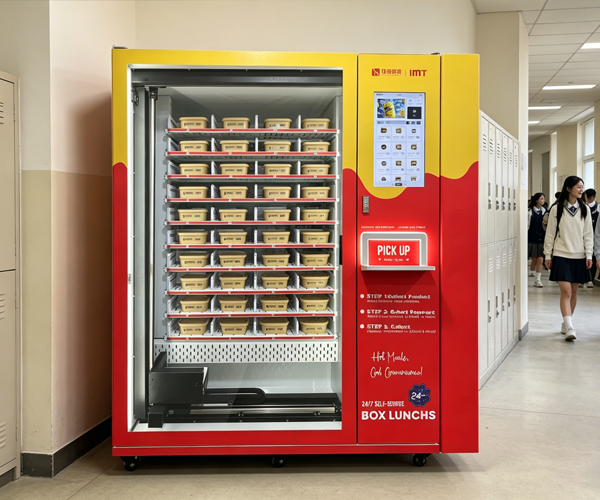
The longevity and performance of hot food vending machines depend significantly on manufacturer support and customization capabilities. Look for suppliers offering lifetime technical assistance to ensure operational continuity throughout the machine's service life. Comprehensive support should include step-by-step user manuals and platform demonstrations that enable staff to quickly master system operations.
Full ODM and OEM capabilities supporting both software and hardware modifications allow businesses to align vending solutions with brand identity and specific operational requirements. Customization options might include branded interfaces, tailored payment systems, and specialized product configurations that differentiate your offering in competitive markets.
Production efficiency impacts time-to-market for new deployments. Standard production lead times of approximately two weeks enable relatively rapid expansion, while flexible minimum order quantities—such as no MOQ for ODM projects and 10-unit minimums for OEM services—accommodate businesses at various growth stages.
Payment Integration and Global Compatibility
Seamless transaction processing is non-negotiable in automated retail. Ensure selected machines support comprehensive payment integration including traditional methods like T/T and L/C alongside modern digital options including credit cards, PayPal, Alipay, and regional payment platforms. Multi-currency support enables deployment across international markets without complex system modifications.
Making the Investment Decision
Selecting hot food vending machines requires balancing upfront investment against long-term operational efficiency and revenue potential. Quality units backed by one-year warranties and thorough pre-delivery testing provide assurance of reliability and manufacturer commitment.
Consider total cost of ownership including energy consumption, maintenance requirements, and restocking logistics. Machines featuring superior insulation reduce electricity costs, while reliable delivery mechanisms minimize product waste and service calls.
The transition to automated hot food retail represents a strategic response to fundamental shifts in commercial real estate economics and consumer expectations for convenience. By carefully evaluating temperature management systems, delivery mechanisms, smart management capabilities, and manufacturer support, businesses can deploy hot food vending solutions that function as profitable all-weather stores, generating revenue around the clock without the overhead burden of traditional retail operations.
IMT Vending exemplifies the advanced capabilities available in modern hot food vending technology, offering solutions with integrated microwave heating, independent elevator transport systems, and comprehensive intelligent sales platforms. Their specialized products, including the 21.5-inch Smart Fresh Food Vending Machine with microwave and utensil dispenser, demonstrate how thoughtful engineering addresses real operational challenges while creating superior customer experiences. With global shipping capabilities and flexible customization options, such specialized automated retail technology providers enable businesses worldwide to capitalize on the growing demand for convenient, high-quality hot food available anytime, anywhere.
https://www.imtvending.com/
Guangzhou IMT Technology Co., Ltd.
About Author

You may also like
-
New Talents Gather to Discuss Legal Practice | Law Firm Holds the 3rd Case Sharing Session
-
Why Is Yiwu Sourcing Becoming a Practical Choice for International Buyers?
-
Event Flower Vending Machine Guide: IMT Vending in 2026
-
Top 8 Cost-Effective Global Trade Services in Asia 2026
-
Where To Buy A Protein Shake Vending Machine: 2026 Guide