
As cities move toward carbon neutrality and energy-efficient architecture, building envelopes are no longer just protective skins. They are becoming active energy-generating systems. One of the most promising technologies in this transition is the BIPV facade system (Building-Integrated Photovoltaic facade system), especially when combined with modern glass curtain wall structures.
Glass curtain walls have long been a symbol of contemporary architecture—sleek, transparent, and lightweight. However, their traditional design contributes little to energy generation and can even increase cooling loads. The integration of photovoltaic technology into these systems transforms them from passive enclosures into active energy-producing components.
This article explores in depth how BIPV facade systems integrate with glass curtain walls, the engineering behind the process, design considerations, benefits, challenges, and future trends in sustainable building design.
Understanding the Basics: What Is a BIPV Facade System?
A BIPV facade system is a photovoltaic technology that is directly integrated into the building envelope, replacing conventional building materials while generating electricity. Unlike traditional rooftop solar panels, BIPV systems are embedded into architectural components such as facades, windows, skylights, and curtain walls.
In the context of curtain wall construction, BIPV modules are designed to replace or complement glass panels in the facade. These photovoltaic glass units allow buildings to maintain their aesthetic transparency while simultaneously producing renewable energy.
A modern BIPV facade system typically includes:
-
Photovoltaic glass (semi-transparent or opaque)
-
Laminated safety glass layers
-
Electrical wiring and junction boxes
-
Mounting frames compatible with curtain wall structures
-
Inverters and energy management systems
The key innovation lies in its dual functionality: acting as both a building material and an energy generator.
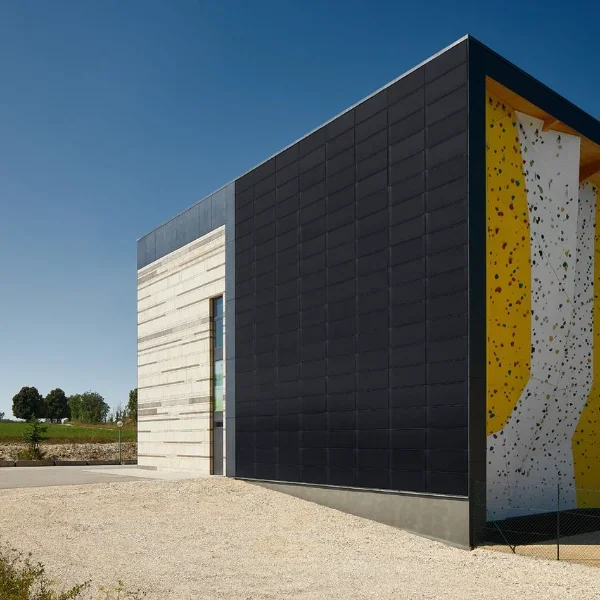
Glass Curtain Walls: A Perfect Platform for BIPV Integration
Glass curtain walls are non-structural exterior coverings that are attached to a building’s frame. They are widely used in commercial skyscrapers, airports, and institutional buildings due to their lightweight design and visual appeal.
There are several reasons why curtain walls are ideal for BIPV integration:
1. Large Surface Area
Curtain walls provide extensive vertical surfaces exposed to sunlight, making them highly suitable for photovoltaic energy harvesting.
2. Modular Structure
Curtain wall systems are composed of repetitive panels, which allows BIPV modules to be easily standardized and integrated.
3. Material Compatibility
Glass-based curtain walls are naturally compatible with photovoltaic glass technologies used in BIPV facade systems.
4. Aesthetic Flexibility
Architects can maintain transparency, adjust tint levels, or design patterned photovoltaic layouts without compromising visual appeal.
How BIPV Facade Systems Integrate with Glass Curtain Walls
The integration process between a BIPV facade system and glass curtain walls is both architectural and electrical. It requires coordination between structural engineers, facade designers, and electrical system planners.
1. Replacement of Conventional Glass Panels
In most applications, photovoltaic glass replaces standard insulated glazing units (IGUs) in curtain wall modules. These BIPV glass units are designed to match the size, thickness, and structural performance of traditional panels.
Depending on design requirements, they may be:
-
Fully opaque photovoltaic panels for maximum energy generation
-
Semi-transparent panels for daylight control
-
Patterned PV glass for aesthetic balance
This substitution allows seamless integration without altering the curtain wall framework.
2. Structural Integration with Curtain Wall Framing
The BIPV facade system must be compatible with aluminum or steel curtain wall framing systems. Engineers ensure that:
-
Load distribution remains unchanged
-
Thermal expansion differences are managed
-
Waterproofing and sealing performance are maintained
Specialized mounting brackets and silicone sealants are often used to secure photovoltaic glass modules within the curtain wall grid.
3. Electrical Integration Within the Facade
One of the most critical aspects of integration is embedding electrical components within the building envelope.
Each photovoltaic glass unit in a BIPV facade system is connected via concealed wiring channels integrated into the curtain wall mullions. These channels carry DC electricity to junction boxes, which then feed into inverters.
Key electrical integration considerations include:
-
Minimizing visible wiring for aesthetic consistency
-
Ensuring safe insulation and waterproofing
-
Allowing easy maintenance access
-
Managing voltage consistency across facade sections
The result is a clean architectural surface that functions as a distributed solar power plant.
4. Thermal and Energy Performance Coordination
Curtain walls are known for both heat gain and heat loss issues. Integrating a BIPV facade system helps mitigate these problems by:
-
Reducing solar heat gain through selective light absorption
-
Providing shading through semi-transparent PV layers
-
Improving overall building energy efficiency
At the same time, designers must carefully balance transparency and insulation. Overly dense photovoltaic coverage can reduce natural daylighting, increasing artificial lighting demand. Therefore, simulation tools are used to optimize panel placement.
5. Façade Orientation and Solar Optimization
Not all curtain wall surfaces generate equal energy. The performance of a BIPV facade system depends heavily on orientation:
-
South-facing facades (in the Northern Hemisphere) yield highest energy output
-
East and west facades contribute moderate morning and afternoon generation
-
North-facing surfaces are usually optimized for aesthetics or daylight control rather than energy
Advanced building modeling software helps architects optimize photovoltaic distribution across the facade.
Design Considerations in BIPV Curtain Wall Integration
Designing a successful integration between curtain walls and photovoltaic systems requires balancing architecture, engineering, and sustainability goals.
1. Transparency vs. Energy Efficiency
One of the biggest design challenges is finding the right balance between glass transparency and energy generation. Semi-transparent photovoltaic modules allow natural light while still contributing to power production.
A well-designed BIPV facade system often uses variable transparency levels depending on building function:
-
Offices: moderate transparency for daylight comfort
-
Commercial towers: higher opacity for maximum energy output
-
Public buildings: balanced aesthetic and performance approach
2. Aesthetic Integration
Modern architecture demands that renewable energy systems enhance, rather than disrupt, visual identity. BIPV glass can be customized in:
-
Color tones (blue, gray, black, or custom shades)
-
Patterned cell layouts
-
Gradient transparency designs
This makes the BIPV facade system not only functional but also a design element.
3. Fire Safety and Building Codes
Since curtain walls are part of the building envelope, integrating photovoltaic systems must comply with strict fire safety standards. This includes:
-
Fire-resistant glass laminates
-
Safe DC disconnection systems
-
Non-combustible framing materials
Compliance ensures that the BIPV facade system meets both energy and safety regulations.
4. Maintenance and Accessibility
Maintenance is a critical factor often overlooked in early design stages. Curtain wall-integrated PV systems must allow:
-
Easy replacement of damaged modules
-
Access to electrical junctions
-
Cleaning of glass surfaces without damaging PV coatings
Modular design is key to ensuring long-term system reliability.
Advantages of Integrating BIPV Facade Systems with Curtain Walls
When properly designed, this integration offers multiple benefits:
1. On-Site Renewable Energy Generation
Buildings can generate a portion of their electricity demand directly from their exterior surfaces.
2. Reduced Operational Costs
Energy savings reduce long-term building operating expenses.
3. Improved Building Aesthetics
Unlike traditional rooftop solar panels, a BIPV facade system becomes part of the architectural identity.
4. Enhanced Sustainability Ratings
Buildings with integrated photovoltaic facades often achieve higher LEED or BREEAM certification scores.
5. Better Urban Energy Efficiency
High-rise buildings with curtain wall BIPV systems contribute significantly to city-scale renewable energy networks.
Challenges in BIPV Curtain Wall Integration
Despite its advantages, there are still technical and economic challenges:
1. High Initial Investment
BIPV glass is more expensive than conventional curtain wall glazing.
2. Efficiency Limitations
Vertical solar installations generally produce less energy than optimally tilted rooftop systems.
3. Complex Installation Process
Integration requires multidisciplinary coordination between architects, engineers, and solar specialists.
4. Heat Management
Photovoltaic cells generate heat, which must be dissipated to maintain efficiency and comfort.
Conclusion
The integration of BIPV facade systems with glass curtain walls represents a major step forward in sustainable architecture. By transforming building envelopes into energy-generating surfaces, architects and engineers can redefine how modern buildings interact with the environment.
A well-designed BIPV facade system not only enhances energy efficiency but also preserves the visual elegance of glass curtain walls. Although challenges such as cost and efficiency remain, ongoing technological advancements are rapidly improving performance and accessibility.
As cities continue to grow vertically and sustainability becomes a global priority, the fusion of photovoltaic technology and curtain wall systems will play a central role in shaping the future of urban architecture.
www.fgnexsolar.com
fgnexsolar
About Author

You may also like
-
Lucky Star Energy Group Unveils Cutting-Edge Swimming Pool Robot Revolutionizing Maintenance Efficiency
-
TargetMol Star Molecule—N-Ethylmaleimide (Catalog No. T3088, CAS 128-53-0): A “Broad-Spectrum Switch” for Deubiquitinase Research, from Cell Lysates to Live-Cell Applications
-
Lucky Star Energy Group Unveils Cutting-Edge Battery Box Technology for Renewable Future
-
How the Pytes HV48300 MAX Can Be Configured for Different Energy Storage Projects
-
Why Adhesive Bond Line Thickness Matters in Industrial Assembly