
Quartz crystals are a fundamental component behind modern electronic timing and frequency control. Whether in smartphones, communication base stations, industrial automation, or satellite navigation systems, these small devices are responsible for maintaining precise timing signals and stable oscillation. However, their performance and reliability can vary significantly depending on how they are packaged, especially when comparing glass sealed crystals and metal sealed crystals.
For engineers, designers, and procurement teams, understanding these two packaging technologies is essential when balancing cost, performance, and environmental adaptability.
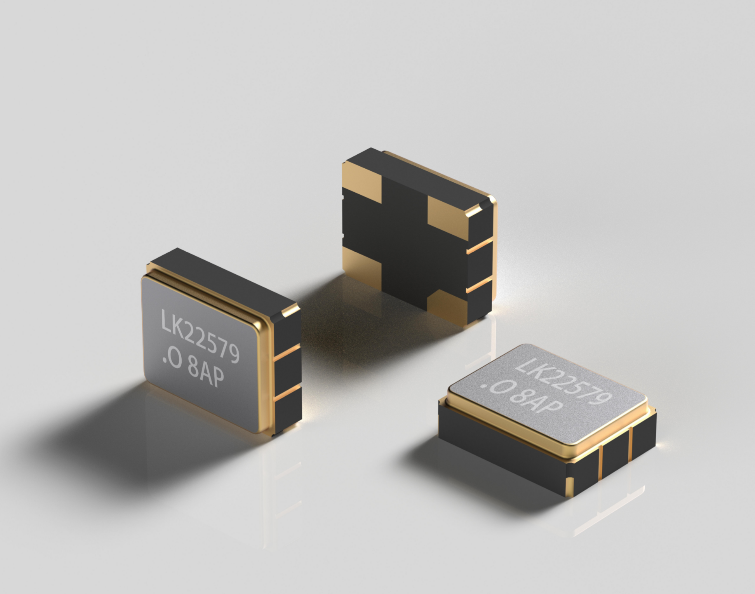
What Is a Glass Sealed Crystal?
A glass sealed crystal refers to a quartz crystal unit enclosed within a package that uses glass as the primary sealing medium. The glass forms a hermetic barrier around the crystal element, helping to protect it from moisture, dust, and external contaminants.
This packaging approach is commonly used in compact, cost-sensitive electronic designs. It is widely adopted in consumer electronics, IoT devices, and standard circuit applications where extreme environmental durability is not a strict requirement.
Main Features
-
Lightweight and highly compact structure
-
Low-cost manufacturing and mass production advantages
-
Basic protection under normal operating environments
-
Well-suited for consumer-grade electronics
Glass sealing is particularly valuable in applications where minimizing size and cost is more important than withstanding severe environmental stress.
What Is a Metal Sealed Crystal?
Metal sealed crystals use a metallic enclosure, typically sealed through welding techniques, to achieve a high-strength hermetic package. Compared with glass sealing, this structure provides significantly enhanced mechanical durability and environmental resistance.
Because of these advantages, metal sealed crystals are often selected for applications where long-term stability and reliability are critical.
Main Features
-
Excellent hermetic sealing performance
-
Strong resistance to vibration, shock, and temperature variation
-
Extended operational lifespan in harsh environments
-
Higher production cost due to complex manufacturing processes
These characteristics make them suitable for demanding fields such as aerospace, defense systems, automotive electronics, and industrial control equipment.
Structural Differences Between the Two Types
The core distinction lies in how the enclosure is formed and sealed.
-
Glass sealed design: Uses a glass-to-metal sealing process where electrical leads pass through insulating glass, forming a sealed environment after high-temperature processing.
-
Metal sealed design: Relies on precision welding (such as seam welding or cold welding) to bond a metal lid and base, forming a rigid and durable enclosure.
This difference in construction directly influences reliability, environmental resistance, and mechanical strength.
Performance Comparison
1. Resistance to Environment
Metal sealed crystals generally outperform glass sealed versions when exposed to harsh conditions. They are better equipped to handle humidity, temperature extremes, and physical shock.
Glass sealed crystals remain stable in controlled environments but may show limitations under prolonged exposure to severe operating conditions.
2. Frequency Stability
Both packaging types can deliver accurate frequency output. However, metal sealed crystals tend to maintain better long-term stability due to reduced environmental sensitivity and stronger structural integrity.
This is why they are frequently used in high-precision systems such as communication infrastructure and satellite-related equipment.
3. Size and Design Considerations
Glass sealed crystals are typically smaller and easier to integrate into compact circuit layouts. They are ideal for space-constrained products like wearable devices and consumer electronics.
Metal sealed crystals, while more robust, usually require more physical space and are slightly heavier in design.
4. Cost Differences
Cost is often a deciding factor:
-
Glass sealed crystals: more economical, ideal for large-scale production
-
Metal sealed crystals: more expensive due to advanced sealing and manufacturing processes
The final selection usually depends on whether the priority is cost efficiency or long-term reliability.
Typical Application Scenarios
Applications of Glass Sealed Crystals
They are commonly used in:
-
Smartphones and tablets
-
IoT and smart devices
-
Household appliances
-
General-purpose electronic circuits
These environments are generally stable, making high-end protective packaging unnecessary.
Applications of Metal Sealed Crystals
Metal sealed versions are preferred in:
-
Automotive electronics, especially engine-related systems
-
Aerospace and defense systems
-
Industrial automation equipment
-
High-reliability medical devices
In these cases, system failure is not acceptable, so enhanced durability is essential.
Manufacturing and Reliability Factors
Glass sealing processes are relatively efficient and suitable for high-volume production. However, the material structure may introduce minor stress points that can affect long-term durability under extreme conditions.
Metal sealing involves more advanced welding techniques, producing a more uniform and mechanically stable enclosure. This improves resistance to thermal cycling, aging, and mechanical stress over time.
How to Choose the Right Type
Selecting between glass sealed and metal sealed crystals depends on several key considerations:
-
Operating environment (temperature, humidity, exposure conditions)
-
Mechanical stress levels (vibration, impact, movement)
-
Available PCB space and design constraints
-
Cost limitations and production scale
-
Required product lifespan and reliability expectations
In general, glass sealed crystals are suitable for cost-sensitive consumer products, while metal sealed crystals are better suited for mission-critical systems requiring long-term stability.
Industry Insight: LUCKI ELECTRONIC (LUCKI®)
With extensive experience in frequency control technology, LUCKI ELECTRONIC (LUCKI®) has become a well-recognized manufacturer in the field of quartz crystal devices, oscillators, and resonators.
Its product lineup includes:
-
SMD and through-hole crystal oscillators
-
VCXO (Voltage-Controlled Crystal Oscillators)
-
TCXO (Temperature-Compensated Crystal Oscillators)
-
OCXO (Oven-Controlled Crystal Oscillators)
These solutions are widely applied in areas such as satellite navigation, telecom base stations, cloud computing, AI systems, autonomous driving, smart home devices, medical electronics, and industrial control systems.
The company supplies high-reliability timing solutions to customers across more than 50 countries, reflecting its strong focus on precision engineering and product consistency.
More technical details can be found here:
Quartz Crystal Solutions
Future Development Trends in Crystal Packaging
As electronic systems continue to evolve, quartz crystal packaging technology is also advancing. Key trends include:
-
Continued miniaturization of crystal components
-
Improved sealing methods for higher durability
-
Greater integration with advanced oscillator modules
-
Focus on energy efficiency and long-term stability
These innovations are helping manufacturers close the gap between compact design requirements and high-performance reliability.
Conclusion
Glass sealed and metal sealed crystals each play distinct roles in modern electronics. Neither is universally superior—the optimal choice depends entirely on the application context.
Glass sealed crystals are ideal for cost-efficient and compact consumer applications, while metal sealed crystals are designed for environments where reliability, stability, and durability are critical.
By understanding their differences, engineers and designers can make more informed component choices that ensure both performance and long-term system stability.
www.cnlucki.com
LUCKI ELECTRONIC(LUCKI®)
About Author

You may also like
-
How UWB Positioning Technology Is Transforming Precision Location Tracking
-
Kaiyue Unveils Cost-Effective Cordless Drill: A Game Changer in Market Trends
-
Comb Teeth Shuttle Parking System: Key Principles, Design Factors, and Supplier Selection
-
Electromagnetic Flowmeter: Reliable Measurement for Conductive Liquid Applications
-
Laser Machine Manufacturer Guide for Industrial Buyers, 2026