
Choosing a die sinking EDM machine often comes down to one core decision: should a workshop invest in a CNC (Computer Numerical Control) system, a ZNC (Z-axis Numerical Control) system, or a PNC (Programmable Numerical Control) system? Each control architecture serves a different production philosophy, and understanding the practical differences is essential before committing capital to high-hardness material processing equipment such as the sinker EDM machines engineered by Wuxi Bofeng International Group Co., Ltd., operating under the BOFENG brand.
Understanding EDM Die Sinking Control Systems: PNC, ZNC, and CNC
Electrical discharge machining (EDM) die sinking is positioned for precision machining of hard-to-cut materials, including carbide and advanced ceramics. Because this process relies on spark erosion rather than mechanical cutting force, performance is largely independent of workpiece material hardness. This makes it an essential technology for complex mold cavities, intricate deep cavities, and components that would otherwise be impossible to finish with conventional cutting tools.
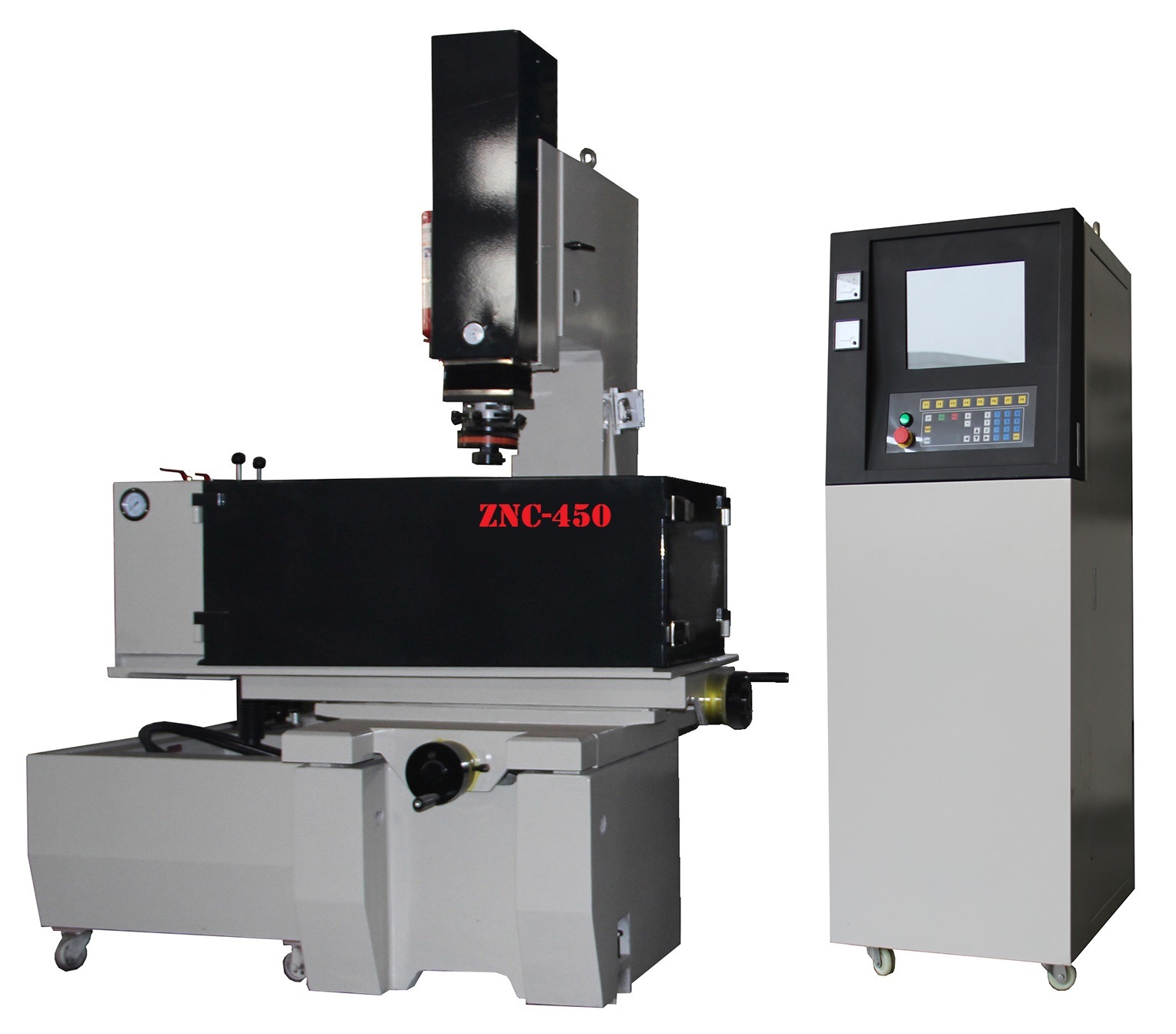
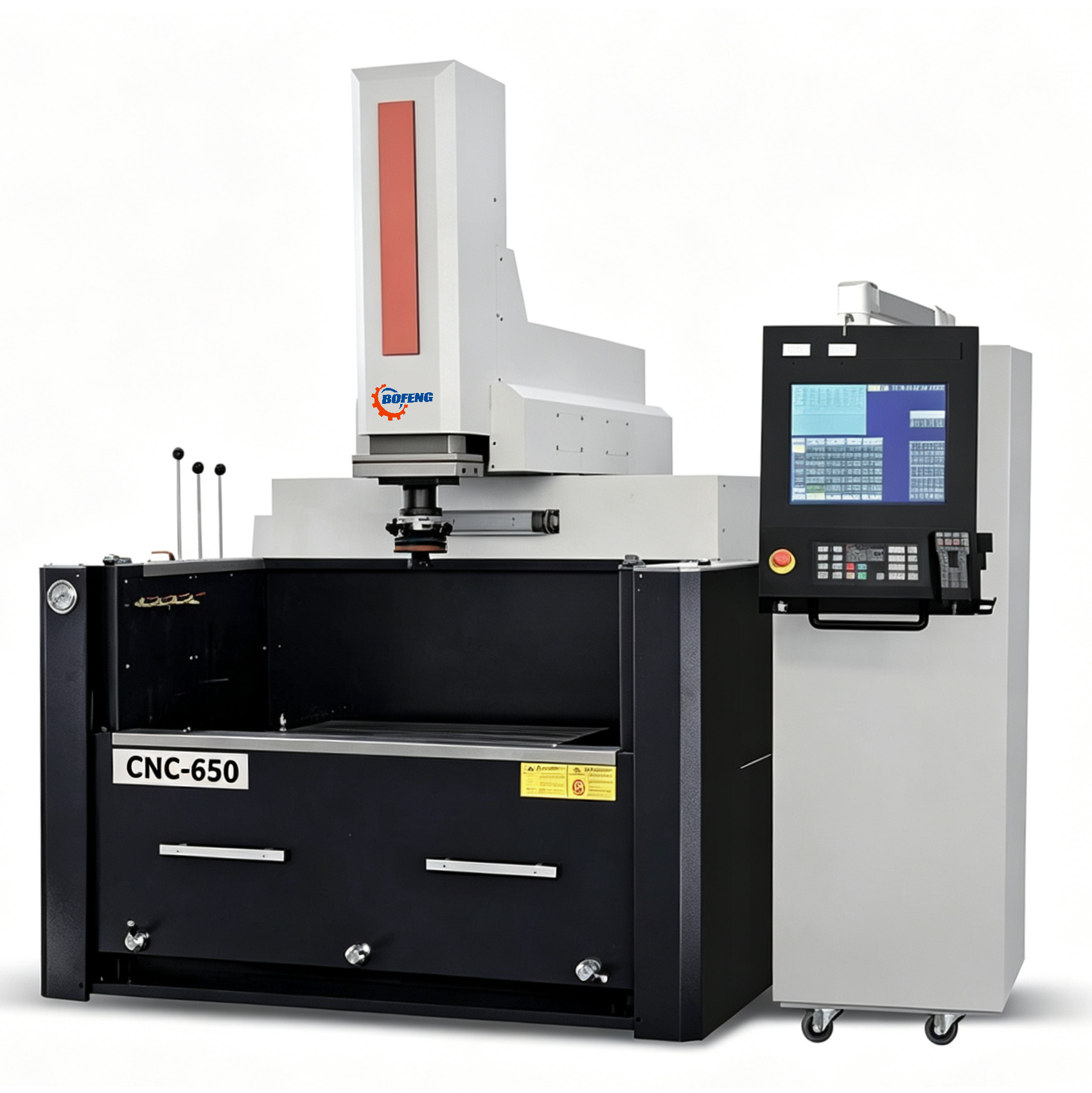
Within this category, BOFENG's EDM Die Sinking machines are available with ZNC, PNC, and CNC control options, each offering a different balance of automation and programming complexity. These control options provide flexible automation and programming levels, allowing the equipment to fit different workshop operation requirements rather than forcing every buyer into a single configuration.
What Sets ZNC Apart from CNC in Die Sinking Operations
A ZNC control system is generally associated with Z-axis numerical control, offering a more direct, operator-guided approach to depth and discharge control during the sinking process. A CNC system, by contrast, extends numerical control across multiple axes and programming functions, supporting more automated, repeatable sequences suited to batch or multi-cavity work. PNC sits as an additional programmable option within the same family, giving workshops a third tier of automation to choose from.
Rather than treating these as competing technologies, BOFENG frames PNC, ZNC, and CNC as complementary tiers within the same product line, so that buyers can select the control sophistication that matches their actual operation rather than overpaying for automation they do not need, or under-investing in control flexibility they will eventually require.
Matching Control Systems to Production Needs
The target pain points that these control options address are consistent across the industry: processing high-hardness materials without excessive electrode wear, maintaining accuracy retention when machining intricate, deep cavities, and avoiding the cycle-time penalties associated with electrode wear during repeated die sinking operations.
For workshops that need flexible automation and programming levels to fit different workshop operation requirements, the availability of ZNC, PNC, and CNC options becomes a practical decision point:
- Workshops running varied, lower-volume mold work may prioritize the more direct control style associated with ZNC configurations.
- Operations requiring tighter integration with automated, high-speed spark discharge programming across complex cavity geometries may lean toward CNC configurations.
- PNC configurations offer a programmable middle tier for operations transitioning between manual oversight and full automation.
In every configuration, the underlying value proposition remains the same: high-speed spark discharge accelerates material removal in high-hardness metals, which reduces long machining cycles, while micron-level precision enables tight-tolerance features that improve consistency in complex mold manufacturing.
Precision and Surface Finish Benchmarks
Regardless of whether a buyer selects ZNC, PNC, or CNC, BOFENG's EDM Die Sinking machines are built around the same core technical metrics: micron-level processing with tolerance up to 0.005mm, and a best achievable surface finish with roughness less than Ra0.1. These benchmarks matter directly to mold and die manufacturers, custom tooling producers, and high-hardness precision component machinists, where surface quality often determines whether secondary polishing is required.
This consistency across control tiers is significant for buyers comparing CNC and ZNC options: the choice is primarily about automation level and workflow fit, not about sacrificing the underlying precision capability of the machine.
Why BOFENG's Approach to Die Sinking EDM Stands Out
Wuxi Bofeng International Group Co., Ltd. has developed its EDM die sinking capability over more than two decades of specialized experience in high precision machining equipment research, development, and manufacturing, having started its CNC EDM die sinking machine line in 2009. The company's WEDM/EDM wire cut machine factory was certified as a National High-Tech Enterprise in 2023, reflecting sustained investment in electrical discharge machining technology.
Beyond the die sinking line itself, BOFENG positions its EDM Machine Series around a broader set of advantages: machining of hardened conductive materials with performance independent of workpiece material hardness, capability for complex, micro, irregular cavities, slits, and micro holes, minimal workpiece deformation due to the absence of mechanical cutting force, and adjustable surface finish ranging from rough cutting to mirror finishing. Low clamping force requirements add further flexibility for various precision machining tasks, which is particularly relevant when comparing control systems for delicate or asymmetric cavity work.
For buyers who need equipment beyond standard catalog models, BOFENG also offers custom special-purpose EDM machine design service on request, delivered through direct machinery supply and export.
Industry Applications and Proven Use Cases
EDM die sinking machines from BOFENG are adapted for mold and die manufacturing, custom tooling production, and high-hardness precision component machining. These are the same industries where the ZNC versus CNC decision has the most practical weight, since mold shops often run a mix of prototype work and repeat production, requiring equipment that can serve both without a full retooling of the control approach.
Global Support and Long-Term Value
Any comparison of control systems should also account for the support structure behind the machine. BOFENG operates four dedicated factories and a 60,000-square-meter workshop in Jiangsu province, and has exported equipment to over 50 countries, with partners in more than 20 countries. The company backs its EDM die sinking line, along with the rest of its product matrix, with 24-hour worldwide technical support and global spare parts dispatch service, which is particularly valuable for ZNC and CNC systems that depend on timely parts availability to avoid production downtime.
The company holds ISO 9000 and CE certifications, and its CNC Milling machine factory was certified as a National High-Tech Enterprise and a Jiangsu provincial Private Technology Enterprise in 2022, reinforcing the broader technical credibility behind its EDM die sinking equipment.
Conclusion
Ultimately, the decision between CNC and ZNC EDM die sinking machines is not about which technology is universally superior, but about which control tier best matches a workshop's production mix, operator experience, and cavity complexity. With PNC, ZNC, and CNC options built on the same micron-level precision platform, BOFENG allows buyers to align control sophistication with real operational needs while maintaining consistent tolerance and surface finish performance across the entire die sinking line.
www.bofengmachinery.com
Wuxi Bofeng International Group Co.,Ltd.
About Author

You may also like
-
Custom Walk-In Environmental Test Chamber: Design, Selection, and Application Guide
-
Sapphire Windows for Semiconductor Plasma and Vacuum Equipment: Sourcing the Bare Window Element
-
Engineering-Driven CNC Machining for Automation OEM Projects
-
China High-Precision CNC Fixture Manufacturer: 2026 Overview
-
China's Reliable Wire Drawing Machine for Copper Wire Plants