
When businesses and individuals need to move goods across international borders, few routes are as commercially significant as the shipping lane from China to Australia. Whether you're an e-commerce seller, a furniture importer, or a manufacturer sourcing industrial equipment, understanding how to ship containers from China to Australia efficiently can make the difference between profit and loss.
Understanding Container Shipping from China to Australia
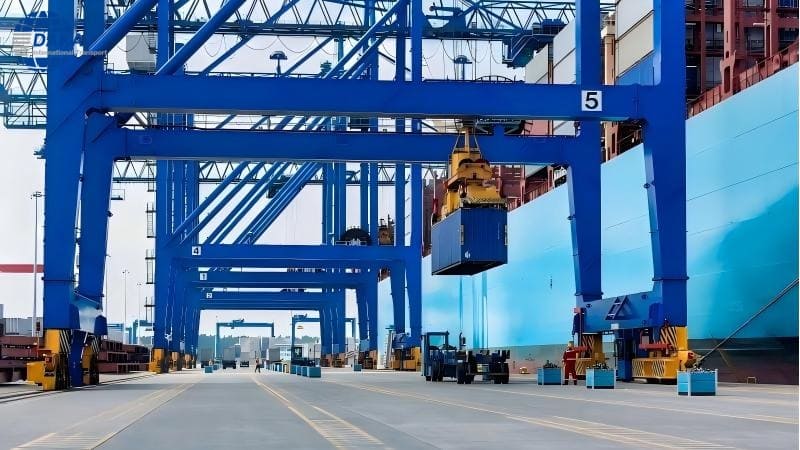
Container shipping remains the backbone of international trade between China and Australia. The route connects some of Asia's busiest ports—Shenzhen, Guangzhou, Shanghai, Ningbo, and Qingdao—with Australia's major gateways including Sydney, Melbourne, Brisbane, Adelaide, and Fremantle. This maritime corridor handles hundreds of thousands of containers annually, carrying everything from consumer electronics to heavy machinery.
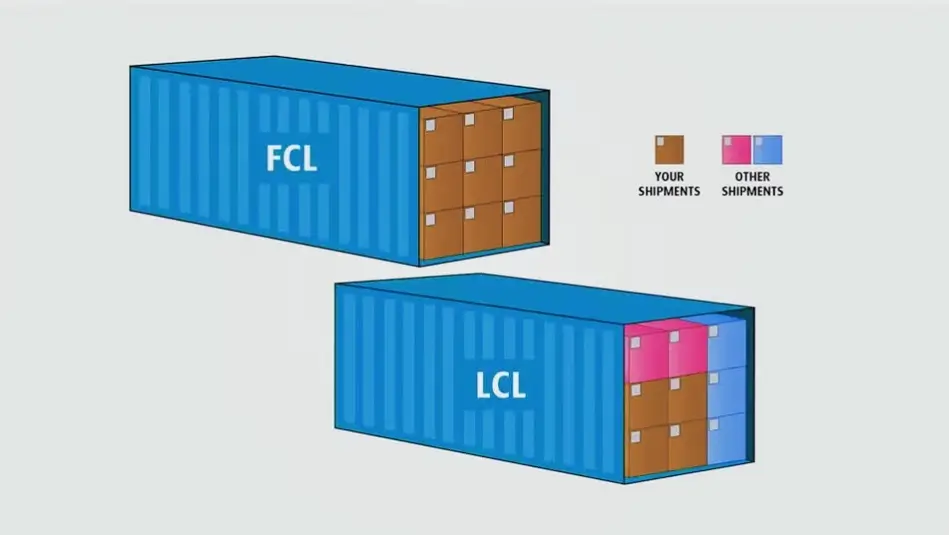
The fundamental choice importers face is between Full Container Load (FCL) and Less than Container Load (LCL) shipping. FCL involves booking an entire 20-foot or 40-foot container exclusively for your cargo, offering faster transit times and lower handling risks. LCL allows smaller shipments to share container space with other consignments, making it cost-effective for businesses that don't have enough goods to fill a full container.
Transit times typically range from 10 to 25 days depending on the origin and destination ports, shipping line schedules, and whether the service is direct or includes transshipment. Direct sailings from major Chinese ports to Sydney or Melbourne usually complete the journey in approximately two weeks under normal conditions.
Key Challenges in China-Australia Container Shipping
Importers frequently encounter several pain points when shipping containers from China to Australia. Unexpected costs top the list of frustrations. Hidden charges for documentation, port handling, customs examination, and quarantine inspections can inflate the final bill well beyond the initial freight quote. Australian port charges and terminal handling fees are particularly notorious for catching unprepared importers off guard.
Customs clearance complexity represents another significant hurdle. Both Chinese export procedures and Australian import regulations demand precise documentation, proper classification, and compliance with biosecurity requirements. Australia maintains strict quarantine controls, especially for goods containing wood packaging materials, which must meet ISPM 15 fumigation standards. Mistakes in paperwork or non-compliant packaging can result in costly delays, cargo holds, or even rejection at the border.
Cargo damage and loss remain persistent concerns, particularly for fragile items like ceramics, glassware, and electronics. Improper loading, inadequate securing inside containers, rough handling during transshipment, and poor packaging all contribute to breakage rates that can devastate profit margins.
Transit time unpredictability has intensified in recent years due to port congestion, equipment shortages, and disrupted sailing schedules. Peak season surges, public holidays in either country, and global supply chain volatility can extend expected delivery windows, complicating inventory planning and customer commitments.
Professional Solutions for Container Shipping
Addressing these challenges requires specialized expertise and established infrastructure. DAKA International Transport Company has focused specifically on the China-Australia shipping corridor since 2016, building operational capabilities designed to overcome the common friction points importers face.
The company operates 17 offices throughout China's major manufacturing and port cities, enabling direct pickup from factories in Guangzhou, Foshan, Shenzhen, Shanghai, Qingdao, and other industrial centers. This domestic network connects seamlessly with established agency partnerships across Australian states, creating genuine door-to-door capability without multiple handoffs between disconnected service providers.
For FCL shipments, DAKA maintains contracted space allocation agreements with major vessel operators including COSCO, MSK, MSC, YML, EMC, and OOCL. These carrier relationships provide priority booking even during peak seasons and access to competitive freight rates that can be passed to customers. All-inclusive pricing structures eliminate surprise charges by incorporating Australian port fees, terminal handling, and basic customs clearance into upfront quotations.
The LCL service addresses the specific pain points of shared container shipping through systematic consolidation cycles. Rather than irregular, unpredictable loading schedules, DAKA operates fixed weekly consolidation departures on Tuesdays and Fridays, creating reliable transit time expectations. Australian port charges and destination handling fees are built into LCL quotes from the outset, preventing the sticker shock many importers experience when their cargo arrives and unexpected bills appear.
Warehousing facilities in China provide complimentary storage for cargo awaiting consolidation, along with professional services including product labeling, palletization, and repacking. This infrastructure allows importers working with multiple Chinese factories to consolidate varied products into single container shipments, dramatically reducing per-unit freight costs and simplifying Australian customs entry.
Navigating Customs and Biosecurity Compliance
The customs clearance process presents one of the most daunting aspects of international container shipping for many importers. Successfully navigating both Chinese export procedures and Australian import requirements demands detailed knowledge of classification systems, duty calculations, biosecurity regulations, and documentation standards.
Professional freight forwarders with licensed customs broker teams in both countries can streamline this process significantly. DAKA operates in-house customs teams integrated with the China International Trade Single Window system for Chinese export clearance and maintains partnerships with fully licensed Australian customs brokers holding Australian Border Force accreditations.
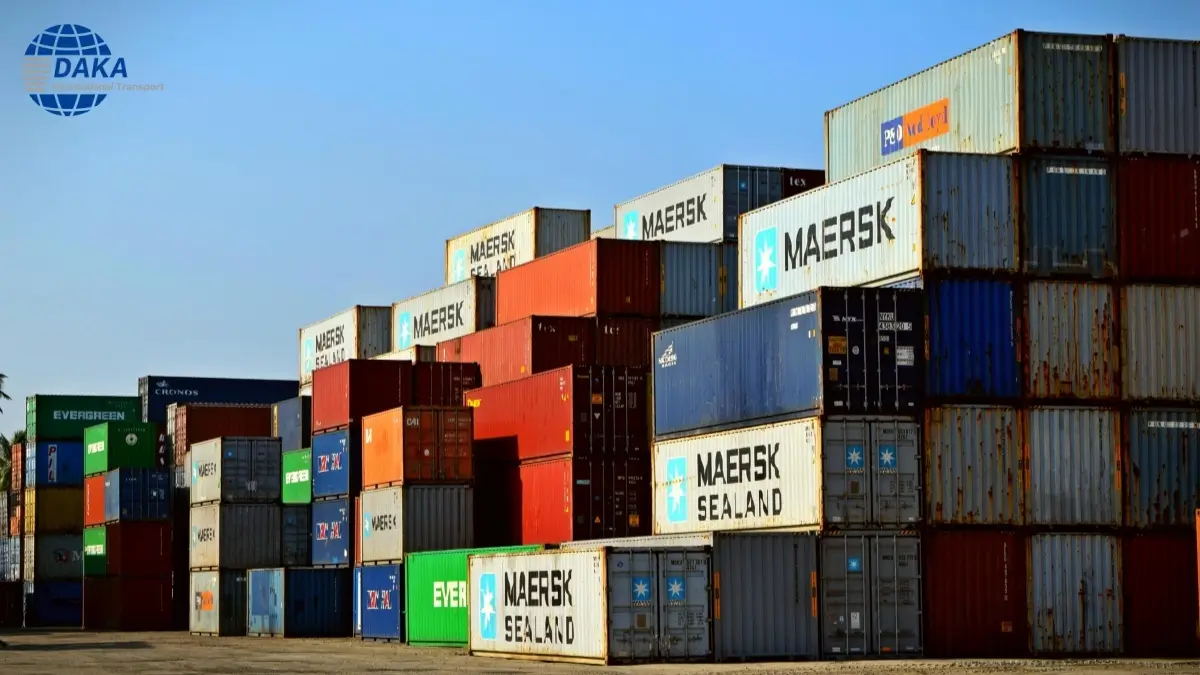
This dual-market customs capability proves particularly valuable for complex cargo categories. Australian imports of sintered stone, building materials, and construction products face stringent documentation requirements including NATA test reports, sample verification, and crystalline silica compliance documentation. Wooden furniture and goods with timber packaging must present official fumigation certificates meeting Australian biosecurity standards. Missing or incorrect documentation triggers cargo holds, storage fees, and examination charges that quickly accumulate.
Proactive customs preparation begins before cargo leaves China. Proper commodity classification, accurate commercial invoice preparation, and advance lodgment of import declarations enable smooth processing when containers arrive in Australian ports. Real-time status monitoring and direct communication channels with customs authorities allow rapid response if inspections or additional documentation requests occur.
Specialized Handling for Different Cargo Types
Different product categories demand specific handling approaches when shipping from China to Australia. Fragile goods including vases, lighting fixtures, and glassware require reinforced packaging, careful container loading with adequate securing, and positioning away from heavy items that might shift during ocean transit. Specialized loading protocols and experienced warehouse teams can reduce breakage rates substantially compared to standard handling.
Heavy machinery and industrial equipment present challenges related to weight distribution, securing methods, and last-mile delivery logistics. Equipment like lathes, manufacturing machinery, and construction apparatus often requires specialized vehicles including HIAB trucks or cranes for final delivery. Coordinating these specialized resources in advance prevents delays and additional costs after cargo arrives.
E-commerce inventory and Amazon FBA shipments need to meet specific packaging, labeling, and delivery appointment requirements set by fulfillment center operators. Freight forwarders authorized as Amazon FBA shipping suppliers understand these protocols and can ensure cargo preparation meets Amazon's standards, preventing rejection at warehouse receiving docks.
Building materials, furniture, and home decor items typically face biosecurity scrutiny due to wood content and packaging materials. Proper fumigation certification, treatment documentation, and quarantine compliance paperwork must accompany these shipments to avoid costly holds and treatment fees at Australian ports.
Making Informed Shipping Decisions
Selecting the right logistics partner for China-Australia container shipping requires evaluating several critical factors beyond basic freight rates. Transparency in pricing should include clear breakdowns of all charges including origin handling, ocean freight, destination port fees, customs clearance, and delivery costs. Hidden charges and surprise invoices after cargo arrival indicate incomplete service planning.
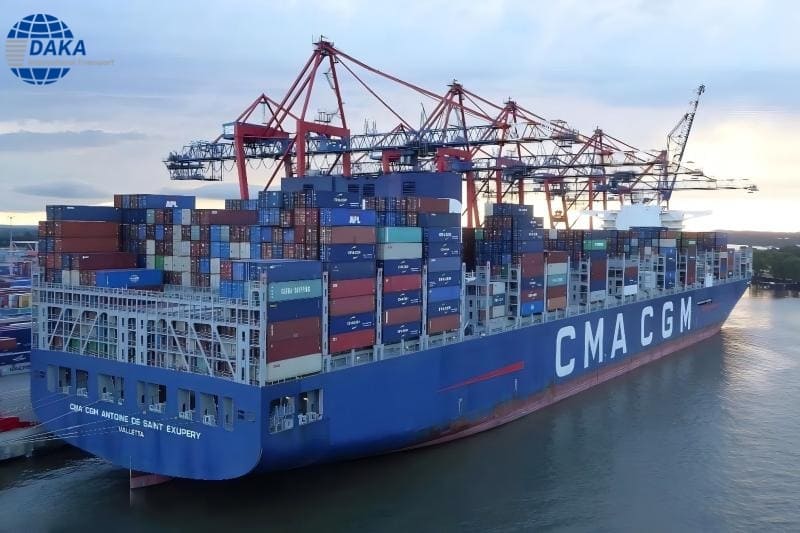
Direct carrier relationships and contracted space allocations provide more reliable service than spot market bookings, particularly during peak seasons when container availability tightens. Established freight forwarders with volume commitments to major shipping lines can offer both better rates and more consistent space access.
Customs expertise in both origin and destination markets eliminates the coordination complexity of working with separate export and import brokers. Single-source accountability for complete door-to-door service including all customs procedures simplifies communication and reduces the risk of information gaps between different service providers.
Local presence and infrastructure in both countries enables more responsive service than purely digital freight platforms. Physical offices, warehouse facilities, and employed operations teams provide hands-on cargo handling, real-time problem resolution, and personal relationships that matter when exceptions occur.
Proven experience in specific cargo categories relevant to your products ensures the logistics provider understands particular handling requirements, documentation needs, and regulatory compliance issues. Generic freight forwarders may lack specialized knowledge for fragile goods, heavy equipment, or biosecurity-sensitive categories.
The China-Australia shipping corridor will continue as one of the world's most active trade routes. Businesses that master the complexities of container shipping between these markets—through careful partner selection, proper documentation, compliance understanding, and strategic logistics planning—position themselves for sustainable competitive advantage in increasingly globalized commerce.
DAKA INTERNATIONAL TRANSPORT COMPANY LTD
About Author

You may also like
-
How Ningbo Topcentral Transforms Automotive Waste into High-Performance Recycled Plastics
-
How Shenzhen Aurora Redefines 4x4 LED Light Bar Performance Standards
-
How to Build a Cost-Effective Import Supply Chain from China?
-
Safety Inspection and Maintenance Guide for Cantilever Pallet Rack Systems to Ensure Long-Term Structural Reliability
-
Top 5 Things to Consider When Buying a Used Car