
Protein extraction is a critical step in many laboratory workflows, including biotechnology research, pharmaceutical development, molecular biology, microbiology, and biochemical analysis. Before proteins can be purified, quantified, or analyzed, they often need to be released from cells or tissues.
This makes cell disruption one of the most important stages of the extraction process.
For many biological samples, a cell disruptor homogenizer provides a practical way to break down cellular structures and produce a more uniform sample. By applying controlled mechanical force, the equipment can help release intracellular proteins while maintaining processing conditions that are suitable for downstream analysis.
However, effective protein extraction is not simply a matter of applying stronger mechanical force. The type of biological material, sample volume, processing speed, treatment time, temperature, and extraction medium all affect the final result.
For laboratories considering a cell disruptor homogenizer, understanding how these factors work together is essential for selecting suitable equipment and establishing a reliable extraction process.
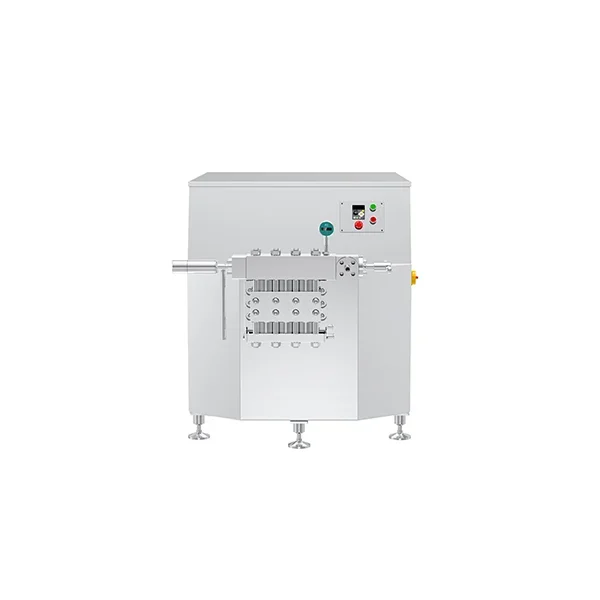
Why Cell Disruption Is Important for Protein Extraction
Many proteins of research interest are located inside cells. Depending on the biological material, they may be present in the cytoplasm, cell membrane, organelles, or other cellular structures.
If these structures remain intact, the extraction solution cannot fully access the target proteins. As a result, the final protein yield may be lower than expected.
Cell disruption is therefore used to break down cellular structures and release their contents into an extraction medium.
An effective disruption process should achieve two objectives:
-
Break down enough of the cellular structure to release the target proteins.
-
Avoid unnecessary conditions that could damage or alter the proteins.
This balance is particularly important when researchers are working with enzymes, structural proteins, membrane proteins, or other sensitive biological materials.
A cell disruptor homogenizer can help achieve this balance by providing controlled mechanical processing instead of relying entirely on uncontrolled physical force.
How a Cell Disruptor Homogenizer Supports Protein Extraction
A cell disruptor homogenizer applies mechanical energy to a biological sample. Depending on the equipment design, the sample may experience shear forces, pressure, turbulence, or other mechanical effects.
As the sample is processed, cell membranes and other structures are disrupted. The released intracellular components then become distributed throughout the extraction medium.
A typical workflow can be divided into four basic stages:
Sample preparation → Cell disruption → Protein extraction → Downstream analysis
The homogenizer primarily supports the second stage, but its performance can influence everything that follows.
If disruption is incomplete, some proteins may remain trapped inside intact cells. If the sample is overprocessed, excessive heat or mechanical stress may affect protein stability.
For this reason, the goal is not maximum homogenization. The goal is sufficient and controlled disruption for the specific protein extraction application.
What Types of Samples Can Be Processed?
One of the biggest advantages of a laboratory homogenizer is its ability to work with different biological materials. However, different samples require different processing strategies.
Mammalian Cells
Mammalian cells generally have relatively fragile cell membranes compared with microorganisms with rigid cell walls.
For many suspended cell cultures, moderate mechanical treatment may be sufficient to release intracellular proteins. Researchers typically need to pay particular attention to sample temperature and processing time when working with sensitive proteins.
A cell disruptor homogenizer with adjustable operating conditions can allow users to develop a suitable protocol without applying unnecessary mechanical energy.
Bacterial Cells
Bacterial cells can present a greater disruption challenge because many bacterial species have strong cell envelopes.
The required processing conditions depend on the species, cell concentration, growth stage, and target protein.
For laboratories extracting recombinant proteins or intracellular enzymes from bacterial cultures, controlled mechanical disruption can provide a repeatable method for breaking down the cells before subsequent purification.
Yeast Cells
Yeast cells have robust cell walls and may require more intensive disruption than many mammalian cell samples.
Mechanical homogenization can be used as part of a yeast protein extraction workflow, either independently or together with other disruption techniques.
Because yeast can require greater mechanical input, researchers should pay particular attention to heat generation during processing.
Animal and Plant Tissues
Tissues require a somewhat different approach because they contain multiple cell types as well as extracellular structures.
Before protein extraction, tissue samples generally need to be converted into a relatively uniform homogenate.
A tissue homogenizer can help break down the sample and distribute the material throughout the extraction medium. Processing conditions should be adjusted according to tissue hardness and the characteristics of the target proteins.
The Most Important Factors Affecting Protein Extraction
Selecting the equipment is only the beginning. The actual extraction result depends heavily on how the homogenizer is operated.
Four parameters deserve particular attention: processing intensity, time, temperature, and sample volume.
Processing Intensity
Mechanical intensity determines how much force is applied to the sample.
Insufficient intensity can leave intact cells behind, resulting in incomplete protein release. Excessive intensity, however, may increase heat generation and unnecessary mechanical stress.
Therefore, researchers should determine the lowest practical intensity that provides adequate disruption.
This is one reason adjustable laboratory homogenizers can be useful. Different biological materials do not necessarily require the same processing conditions.
Processing Time
Processing time works together with mechanical intensity.
A short cycle may not disrupt the sample sufficiently, while prolonged operation can increase temperature and expose proteins to unnecessary stress.
Instead of assuming that longer processing produces better extraction, researchers should evaluate the relationship between processing time and actual protein recovery.
For some applications, several short cycles with cooling intervals may be more appropriate than one long continuous cycle.
Temperature
Temperature is particularly important for protein extraction because many proteins are sensitive to thermal conditions.
Mechanical processing naturally generates some heat. The effect becomes more significant when samples are processed at high intensity for extended periods.
Researchers may therefore use cooling strategies such as pre-cooled buffers, ice baths, cooling vessels, or intermittent operation, depending on the equipment and application.
Temperature should be monitored during method development, especially when working with unstable proteins or enzymes.
Sample Volume
The amount of material being processed also affects homogenization efficiency.
If the vessel is overloaded, the sample may not circulate effectively through the processing zone. This can result in uneven disruption.
Conversely, processing a very small sample in equipment designed for much larger volumes may also be inefficient.
For laboratories with different research projects, selecting a system that matches typical sample volumes can make daily operation more convenient and reproducible.
How to Optimize a Protein Extraction Process
Once the appropriate equipment has been selected, laboratories can optimize the actual operating procedure.
A practical optimization strategy is to change one major parameter at a time.
For example, researchers can begin with a moderate processing intensity and evaluate the resulting protein yield. If disruption is incomplete, the processing conditions can then be adjusted gradually.
The evaluation should not rely on visual appearance alone.
Depending on the research objective, laboratories may compare:
-
Protein concentration
-
Total protein yield
-
Target protein recovery
-
Enzyme activity
-
Sample temperature
-
Degree of cell disruption
-
Downstream purification performance
This approach provides more useful information than simply increasing the homogenizer speed until the sample appears uniform.
Why Over-Processing Can Be a Problem
A common misconception is that stronger disruption automatically produces better protein extraction.
In reality, excessive processing can create several problems.
First, prolonged mechanical treatment can increase sample temperature. Second, unnecessary mechanical stress may affect sensitive proteins. Third, excessive homogenization may create additional difficulties during downstream processing.
The ideal process therefore focuses on efficiency rather than maximum mechanical force.
A properly selected cell disruptor homogenizer should provide enough control to allow researchers to adjust the process according to sample characteristics.
Cell Disruptor Homogenizer vs. Other Disruption Methods
Mechanical homogenization is only one option for cell disruption.
Other commonly used methods include sonication, bead milling, enzymatic treatment, chemical lysis, and freeze-thaw cycles.
The choice depends on the sample and the intended application.
For example, sonication can be effective for certain laboratory-scale samples but requires careful control of temperature and processing time. Bead-based disruption can be useful for microorganisms but introduces additional considerations related to bead selection and separation.
Chemical lysis may provide a gentler alternative for some applications, although the chemicals used can influence downstream analysis.
A cell disruptor homogenizer is often considered when researchers want a mechanical approach with controllable processing conditions and the ability to handle different types of biological samples.
The important point is that equipment selection should follow the requirements of the protein extraction process rather than the other way around.
How to Choose a Cell Disruptor Homogenizer
For laboratory buyers, the most useful specifications are those that directly relate to their applications.
1. Processing Range
Check whether the equipment can accommodate the sample volumes typically used in your laboratory.
A system designed around your actual working range will generally be easier to integrate into routine workflows.
2. Adjustable Operating Parameters
Different samples require different treatment conditions. Adjustable speed, processing time, or other operating parameters can provide greater flexibility.
3. Temperature Management
If your laboratory works with temperature-sensitive proteins or enzymes, consider how the equipment handles heat generated during processing.
4. Sample-Contact Materials
Materials that come into contact with biological samples should be suitable for the intended application and compatible with the laboratory's cleaning procedures.
5. Cleaning and Maintenance
Easy disassembly and cleaning can be important when multiple samples are processed during the same working day.
6. Reproducibility
A suitable system should allow researchers to repeat established processing conditions consistently.
7. Future Applications
If the laboratory may later process different biological materials, a flexible homogenization system may provide greater long-term utility than equipment designed for only one narrow application.
Final Thoughts
Protein extraction begins with effective sample preparation. When target proteins are located inside cells or tissues, achieving an appropriate level of cell disruption is essential for releasing those proteins into the extraction medium.
A cell disruptor homogenizer can provide a controlled mechanical solution for this step, with applications ranging from mammalian cells and bacteria to yeast, animal tissues, and plant materials.
The key to successful operation is not maximum mechanical force. Instead, laboratories need to find the right balance between disruption efficiency and protein preservation. Processing intensity, time, temperature, sample volume, and buffer conditions should all be considered together.
For laboratory buyers, the right equipment is therefore the one that matches the actual sample types, working volumes, processing requirements, and downstream analytical methods. With appropriate equipment selection and a well-controlled operating procedure, mechanical cell disruption can become a reliable and repeatable part of a laboratory protein extraction workflow.
www.dscientz.com
dscientz
About Author

You may also like
-
Can Surface Water Filtration Systems Remove Cyanobacteria?
-
Can One Orbital Cutting Machine Handle Both Tube Cutting and Beveling?
-
Can Mechanical Interlocks Be Used in High-Voltage Electrical Equipment?
-
Portable MRI Machine Price and Cheapest MRI Machine Engineering Guide for Clinical Imaging Systems
-
Motorcycle Sprocket for Honda Wave 125