
API 602 forged gate valves are compact, high-pressure isolation valves designed to meet the demanding requirements of industrial pipeline systems where full-bore flow control and environmental sealing integrity are critical. In pipeline installations handling hazardous chemicals, high-pressure steam, or corrosive process fluids, the API 602 standard governs the design, materials, dimensions, and testing requirements for forged steel gate valves in sizes typically up to NPS 2½. Understanding what separates a well-engineered API 602 forged gate valve from a standard offering requires examining the design configurations, pressure ratings, sealing technologies, and the manufacturing infrastructure behind the product.
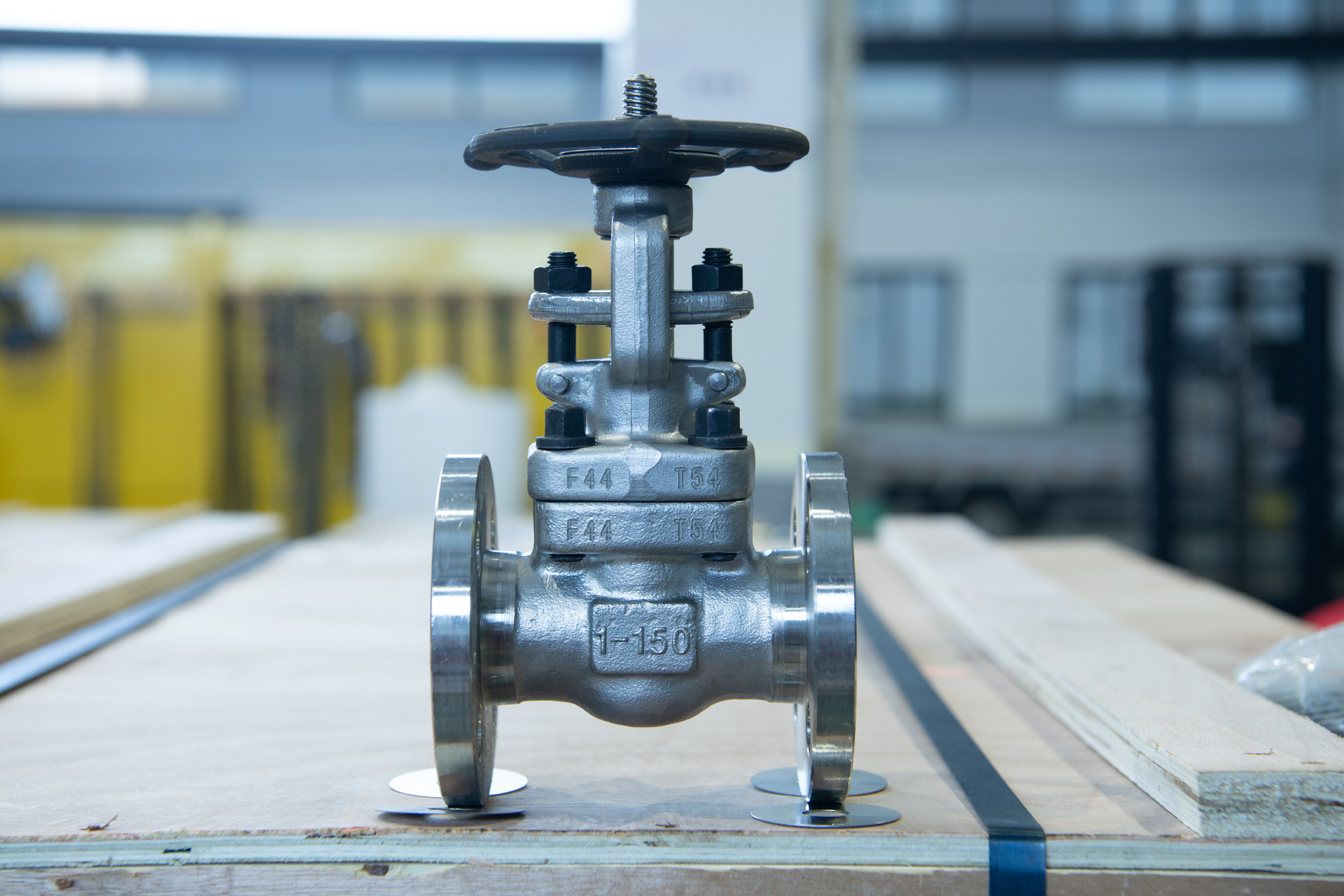
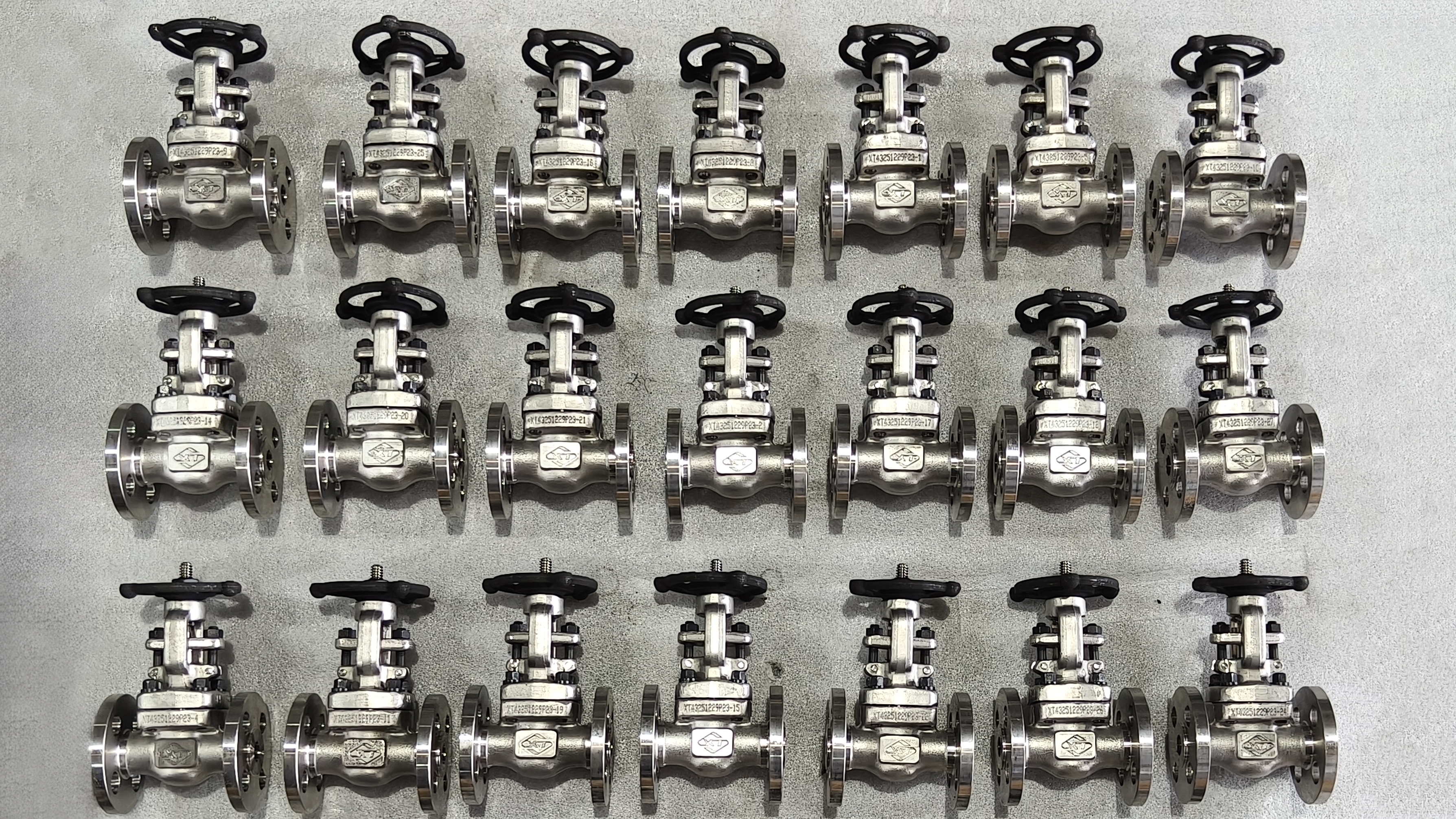
XINTAI Valve Group Co., Ltd., founded in 1998 and headquartered in Wenzhou, China, manufactures a forged gate valve line that holds API 602 certification as part of a broader portfolio of internationally certified valve products. With 580 employees — including 33 engineers, 41 testers, and 25 quality managers — and an annual production capacity of 270,000 valves across six production bases spanning Wenzhou, Tianjin, and Lishui, XINTAI Valve operates at a manufacturing scale capable of supporting large-scale industrial procurement requirements.
Design Configurations and Structural Mechanics
XINTAI Valve's gate valve product line encompasses multiple design variants: wedge gate, slab gate, pressure seal, cast steel, forged, rising stem, non-rising stem, and knife gate configurations. For API 602-compliant forged gate valves specifically, the forged steel body construction delivers superior pressure containment capability compared to cast alternatives, with XINTAI's technical capabilities supporting operational pressure ratings up to Class 2500.
The structural mechanics of each configuration serve distinct operating conditions:
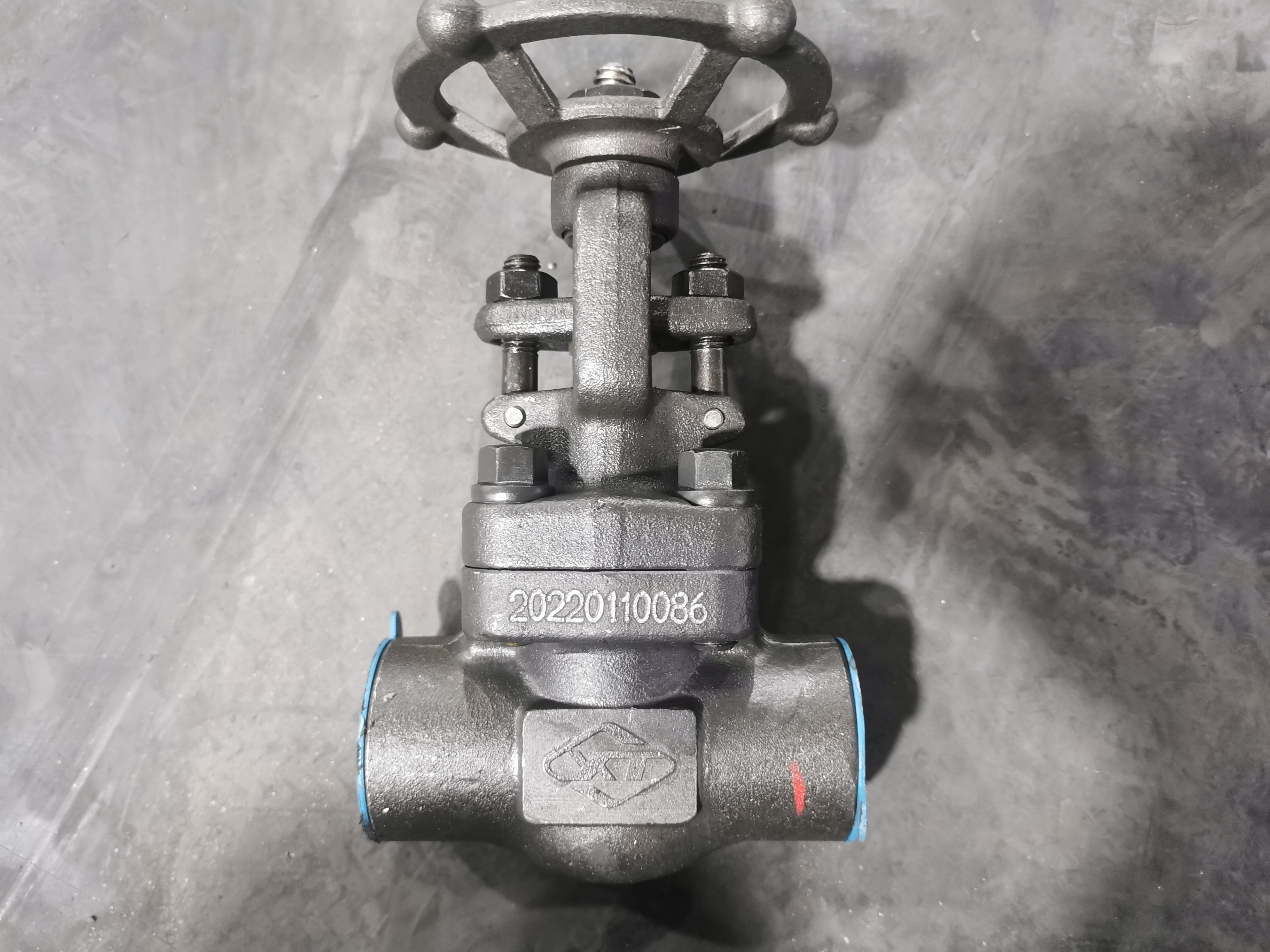
- Wedge gate design: The wedge-shaped gate configuration reliably stops fluid flow under bidirectional pressure, making it well suited for full-bore isolation in high-pressure pipelines.
- Knife gate design: The sharp gate edge allows the valve to cut through slurries, pulp, and solid contaminants, directly addressing the challenge of solid accumulation in process lines — a persistent operational issue in wastewater treatment, chemical processing, and pulp and paper applications.
- Bellow seal design: A secondary metallic barrier eliminates stem packing leakage, addressing the critical industry pain point of media leakage to the environment in hazardous chemical pipeline systems.
The bellow-sealed gate valve configuration represents a particularly notable engineering approach for emissions control. By incorporating a secondary metallic bellow as a barrier around the valve stem, the design eliminates the traditional stem packing pathway through which volatile or toxic process media could escape — a requirement increasingly mandated in hazardous chemical processing environments and one that aligns with growing global pressure for fugitive emission control compliance.
Pressure Ratings, Standards Compliance, and Certifications
API 602 specifies requirements for forged steel gate valves including design dimensions, end flange ratings, body material requirements, and test procedures. XINTAI Valve's API 602 certification is one component of a comprehensive certification portfolio that also encompasses API 600, API 6D, API 607, API 6FA, API 624, ISO 9001, ISO 14001, ISO 45001, ISO 10497, ISO 15848-1, CE, PED, SIL, EAC, PAT, and TAT certifications, as well as Petronas Certified Supplier and Petrobras Certified Supplier designations.
This multi-standard certification structure is directly relevant to procurement teams requiring products that align with specific project specifications. In large-scale oil and gas, petrochemical, and power generation projects, a single valve supplier often needs to demonstrate compliance across several international frameworks simultaneously. XINTAI Valve's platform compatibility — covering API 6D, API 602, API 600, DIN, JIS, and GOST standards — reflects a product architecture prepared for multi-standard project environments, reducing the number of qualified suppliers a project team must manage.
Manufacturing Infrastructure Behind API 602 Compliance
Achieving consistent API 602 compliance across high-volume production runs requires manufacturing precision that goes beyond documentation. XINTAI Valve's production infrastructure includes 13 six-axis robots for polishing and inspection operations, which the company reports has improved manufacturing efficiency by 40% while reducing manufacturing variations. This automation-driven approach helps maintain the dimensional tolerances and surface finish requirements that API 602-compliant forged gate valves demand at scale.
XINTAI also operates an integrated supply chain that includes internal casting foundries and machining bases, enabling full-process quality control from raw material through finished product. This vertical integration reduces reliance on external suppliers, contributing to supply chain stability and cost control — factors that carry significant weight in large project procurement where delivery schedule disruptions can generate operational and contractual consequences.
A dedicated in-house testing facility located in Yongjia handles pressure, seal, and material validation, ensuring that each valve is verified against the relevant standard requirements before shipment. With 41 testers and 25 quality managers among the 580-person workforce, quality assurance operates as a staffed, structured discipline rather than a downstream corrective function.
Industrial Applications and Market Deployment
XINTAI Valve's forged gate valves — including API 602-certified variants — are deployed across industries that impose demanding conditions on valve performance:
- Wastewater treatment: Knife gate configurations address slurry and solid contaminant challenges in process lines where conventional gate designs would face accelerated wear or blockage.
- Chemical processing: Bellow-sealed designs meet emissions control requirements in hazardous media environments where any stem leakage creates safety and regulatory exposure.
- Pulp and paper: Knife gate designs handle fibrous and particulate-laden media without blockage or premature seat wear.
Beyond these specific application sectors, XINTAI's broader valve portfolio serves oil and gas, power generation, marine/seawater desalination, and district heating markets. The company has supplied valve products to Petronas for Southeast Asian markets and to Petrobras for South American petrochemical projects. According to company data, 20% of products are exported to Europe and the USA, with 80% distributed to other global regions — a distribution profile reflecting engagement across diverse regulatory and engineering specification environments.
Actuator Compatibility and System Integration
XINTAI Valve's gate valve line supports integration with pneumatic and electric actuators, enabling deployment in automated pipeline systems where manual valve operation is impractical or where high-frequency throttling cycles are required. This actuator compatibility aligns with the platform standards the company maintains across API 602, API 600, DIN, JIS, and GOST configurations.
For engineering companies and end-user facilities evaluating API 602 forged gate valves for automated process control environments, actuator-ready configurations reduce field integration work and allow valve assemblies to be specified and sourced as complete, pre-matched units rather than requiring separate valve and actuator qualification exercises.
Summary
For procurement engineers, project managers, and valve specialists evaluating API 602 forged gate valves, the critical assessment factors are pressure rating capability, design variant availability, certification breadth, manufacturing consistency, and supply chain reliability. XINTAI Valve Group Co., Ltd. addresses these dimensions through a Class 2500-capable forged valve line, a multi-configuration product offering spanning wedge, knife, bellow seal, and rising and non-rising stem variants, a multi-standard certification portfolio anchored by API 602 among 19 documented certifications, and a manufacturing infrastructure featuring integrated casting, robotic automation with 13 six-axis units, and a dedicated in-house testing facility. The company's supplier designations from Petronas and Petrobras provide documented third-party validation of product and quality system performance in active project environments across multiple international markets.
www.xintaivalves.com
Xintai Valve Group Co., Ltd.
About Author
